Student Seminar for Global Citizenship and Peace
International Student Seminar for Global Citizenship & Peace 2026
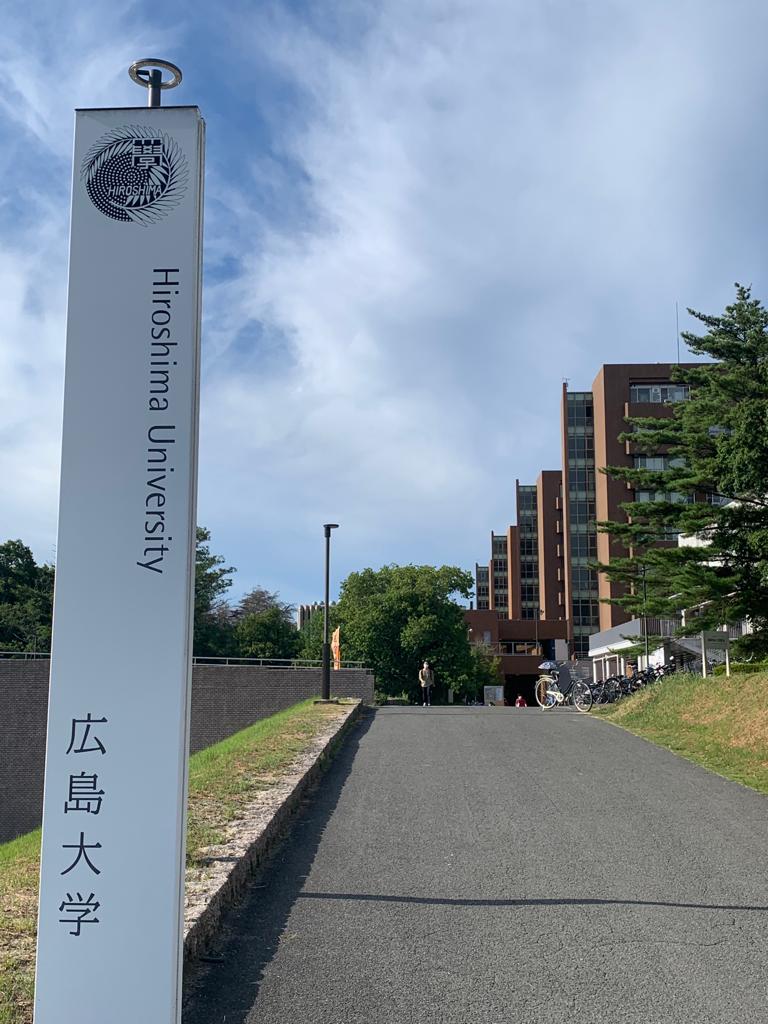
4 -12 August 2026, hosted by Hiroshima University
Program Overview
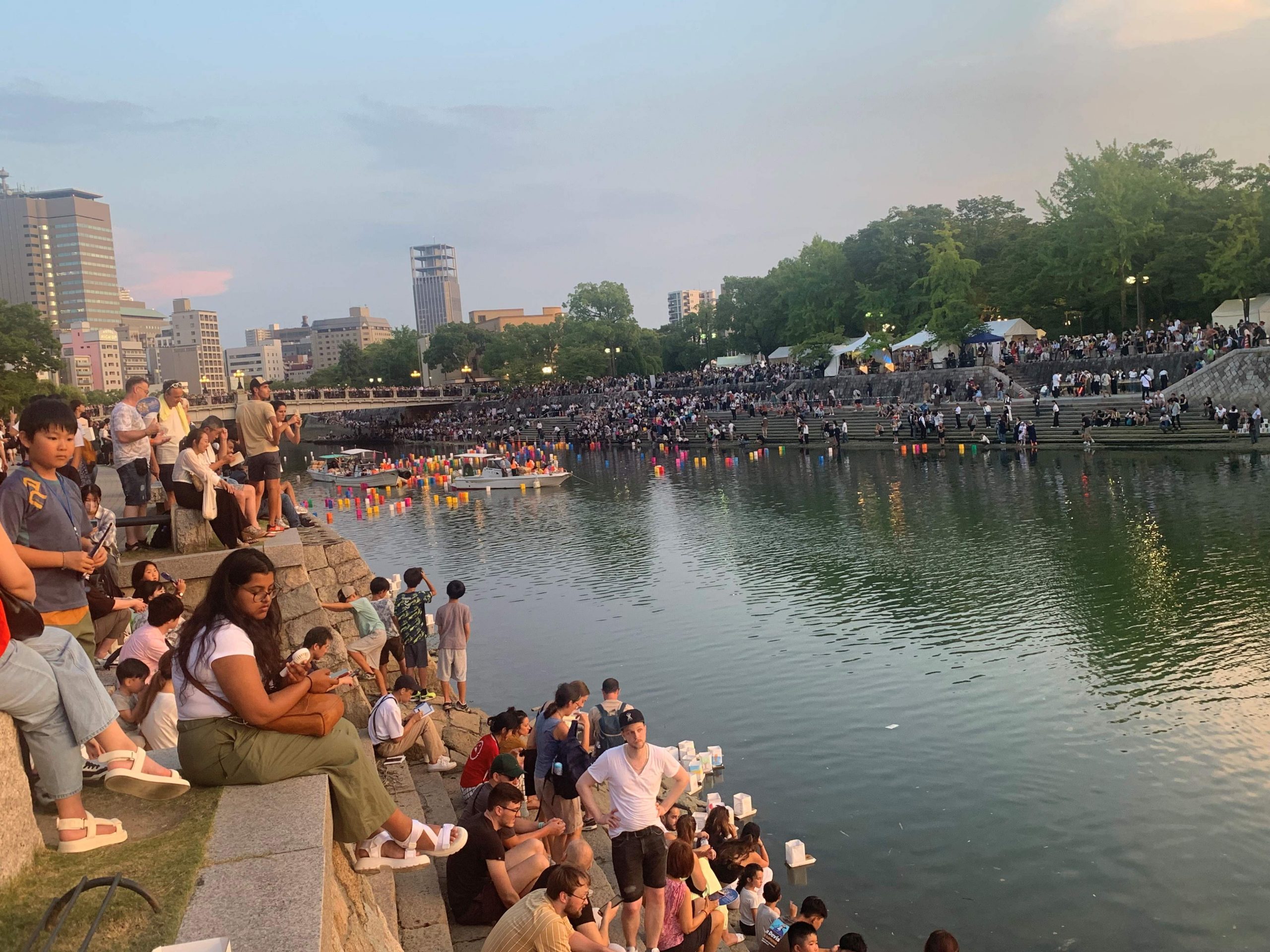
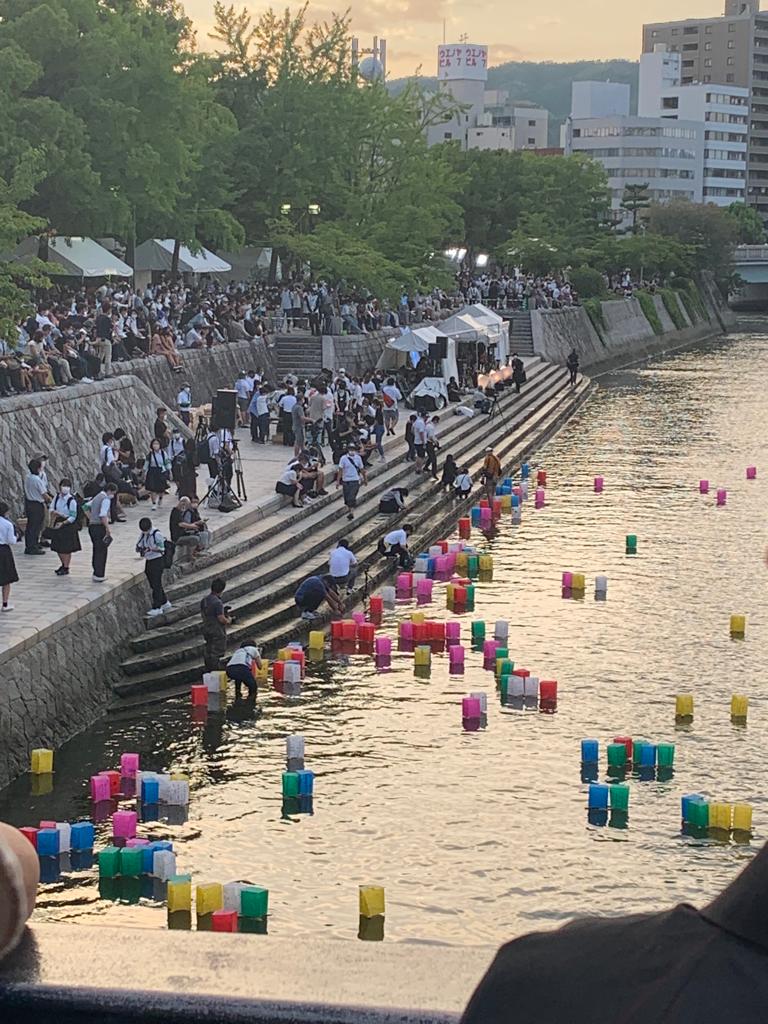
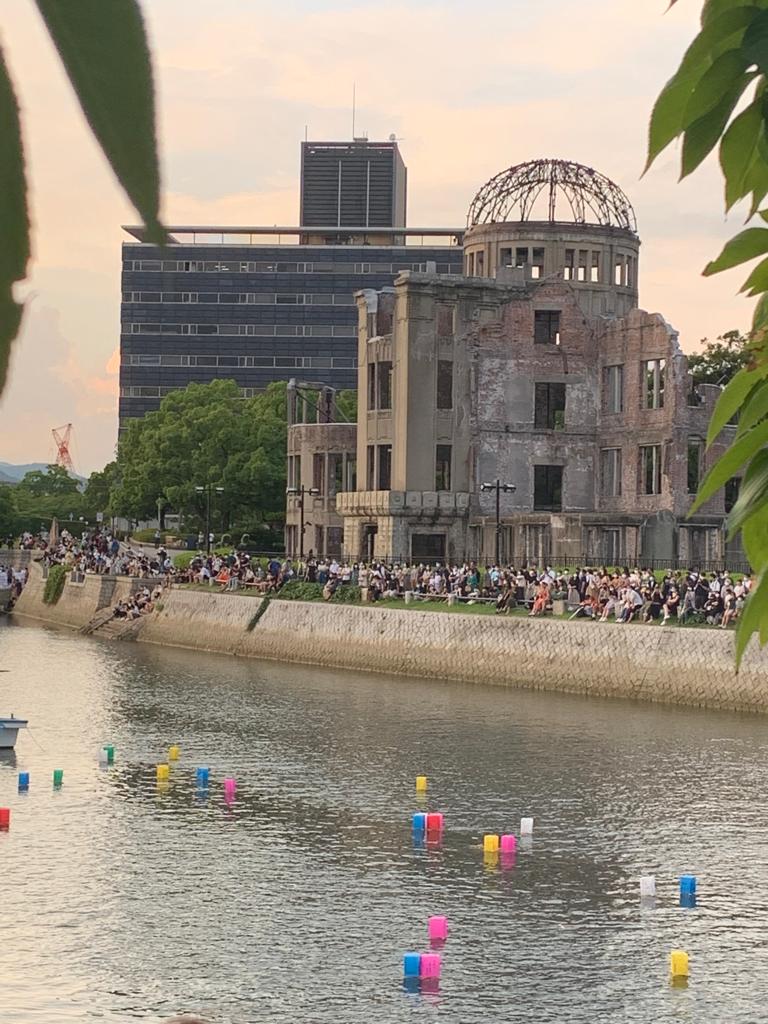
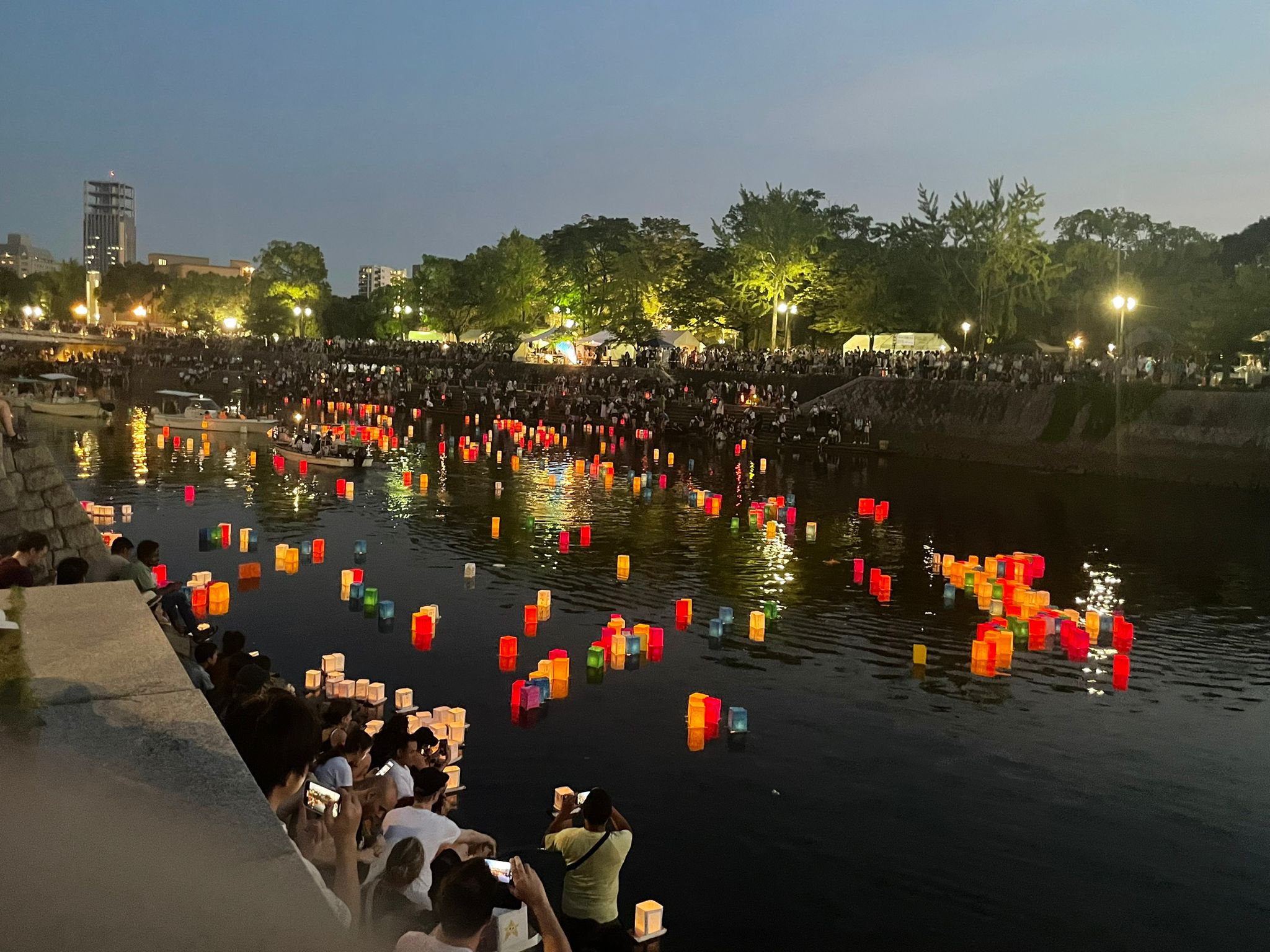
The International Student Seminar for Global Citizenship and Peace is a unique immersive program which is hosted by Hiroshima University in Japan. Since 2006, the seminar has welcomed students from around the world from INU member universities and is structured around the August 6 commemoration of the atomic bombing of Hiroshima.
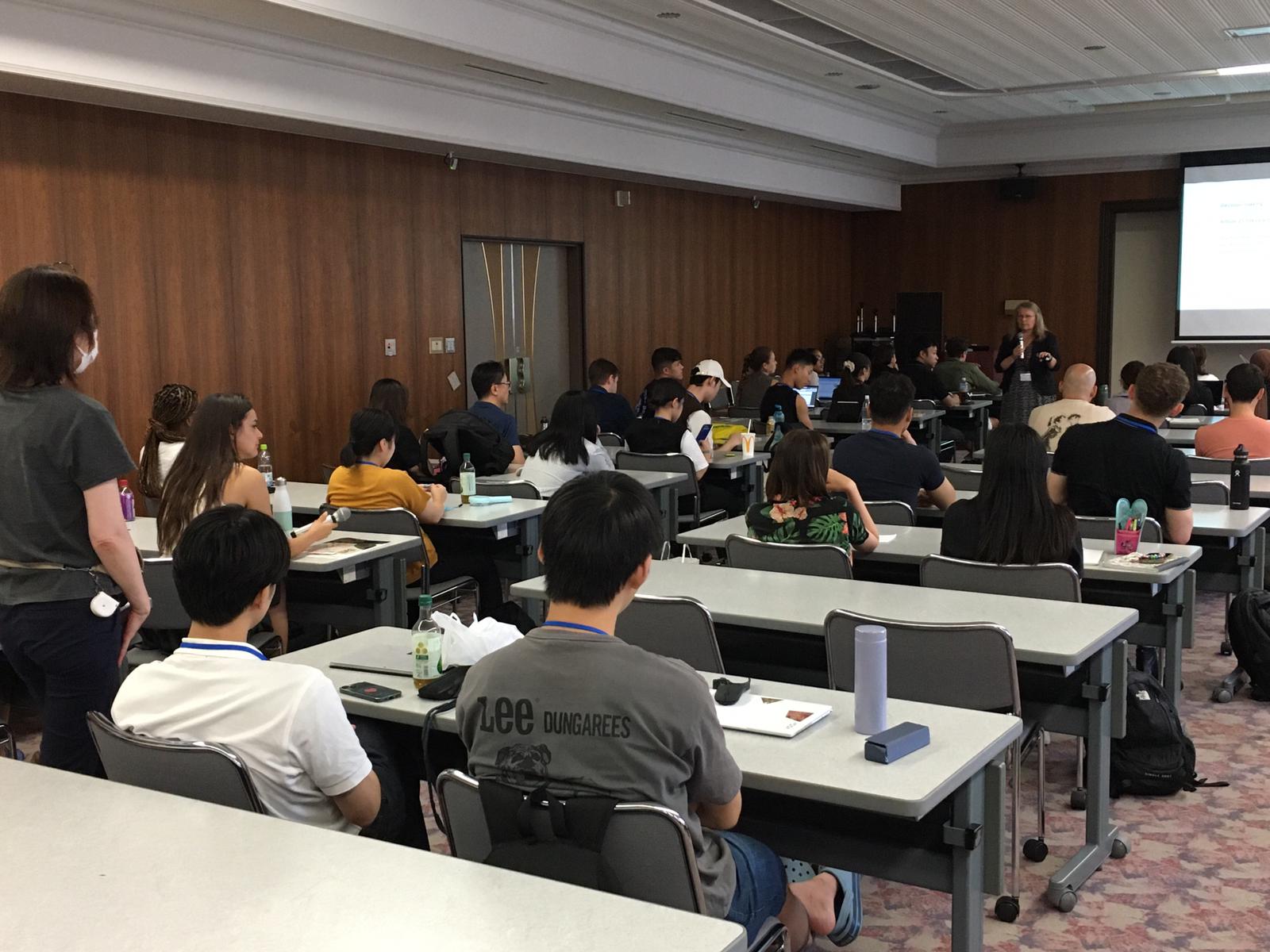
The seminar prepares an international group of approximately 60 students to live and learn as engaged global citizens. The Student Seminar provides students with a working knowledge of global citizenship and peace with a focus on cross-disciplinary problem solving of real-world political, economic, social, and cultural problems. Workshops are delivered by Faculty from across INU member universities, with expertise across a range of disciplines relating to the theme.
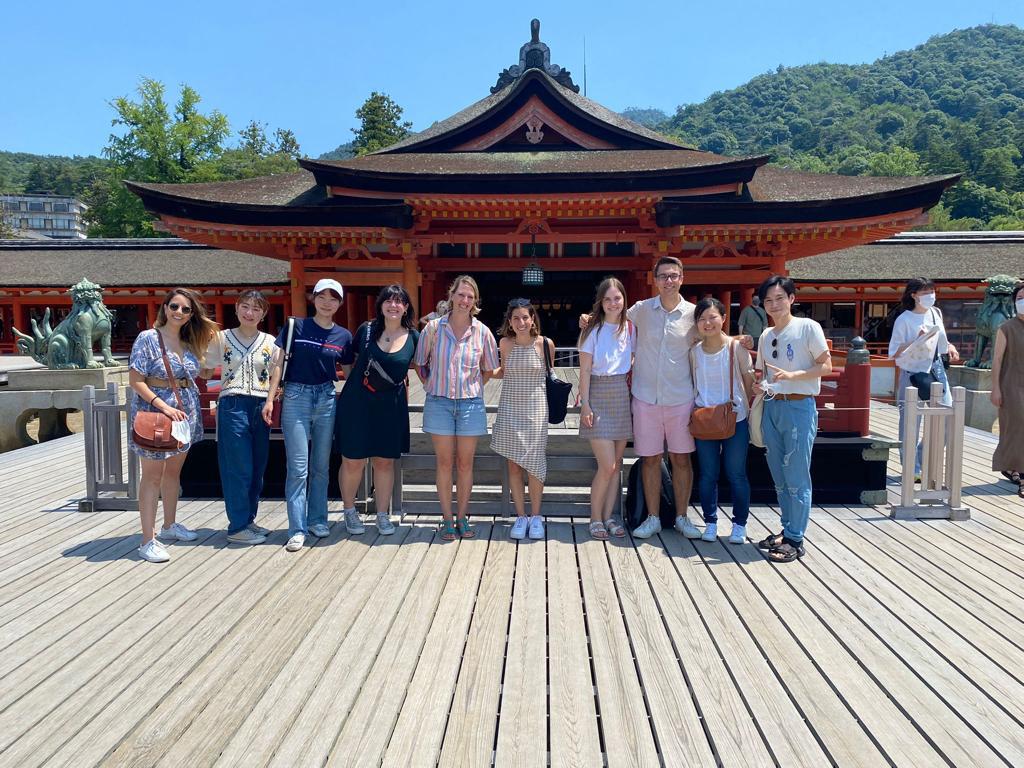
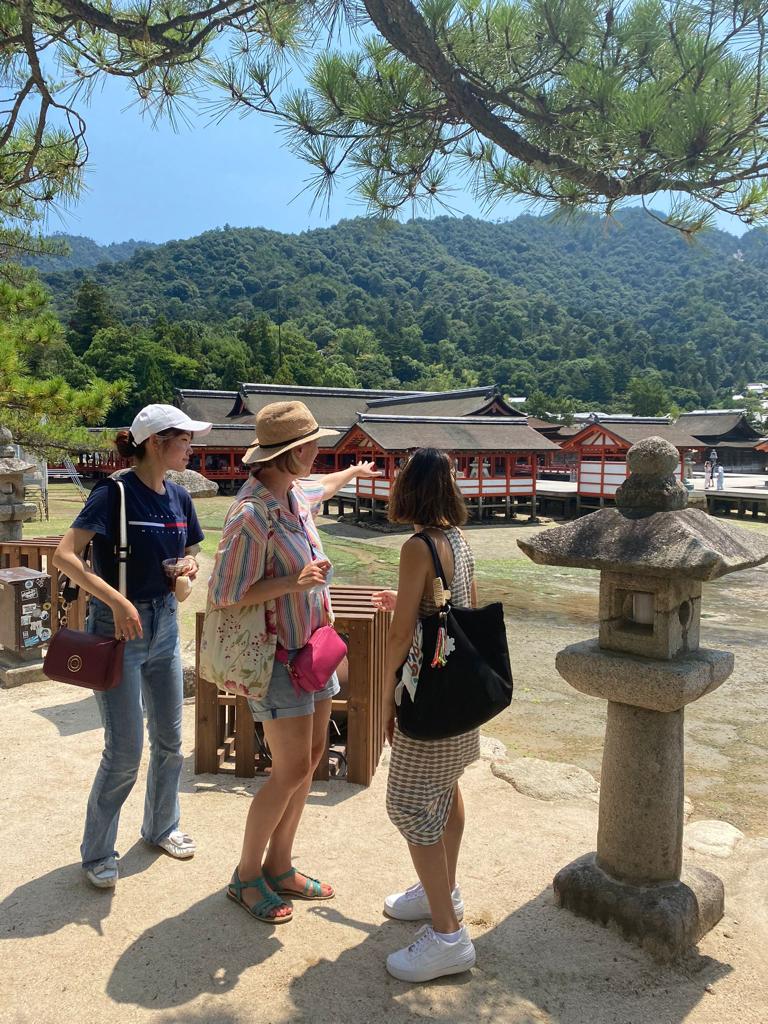
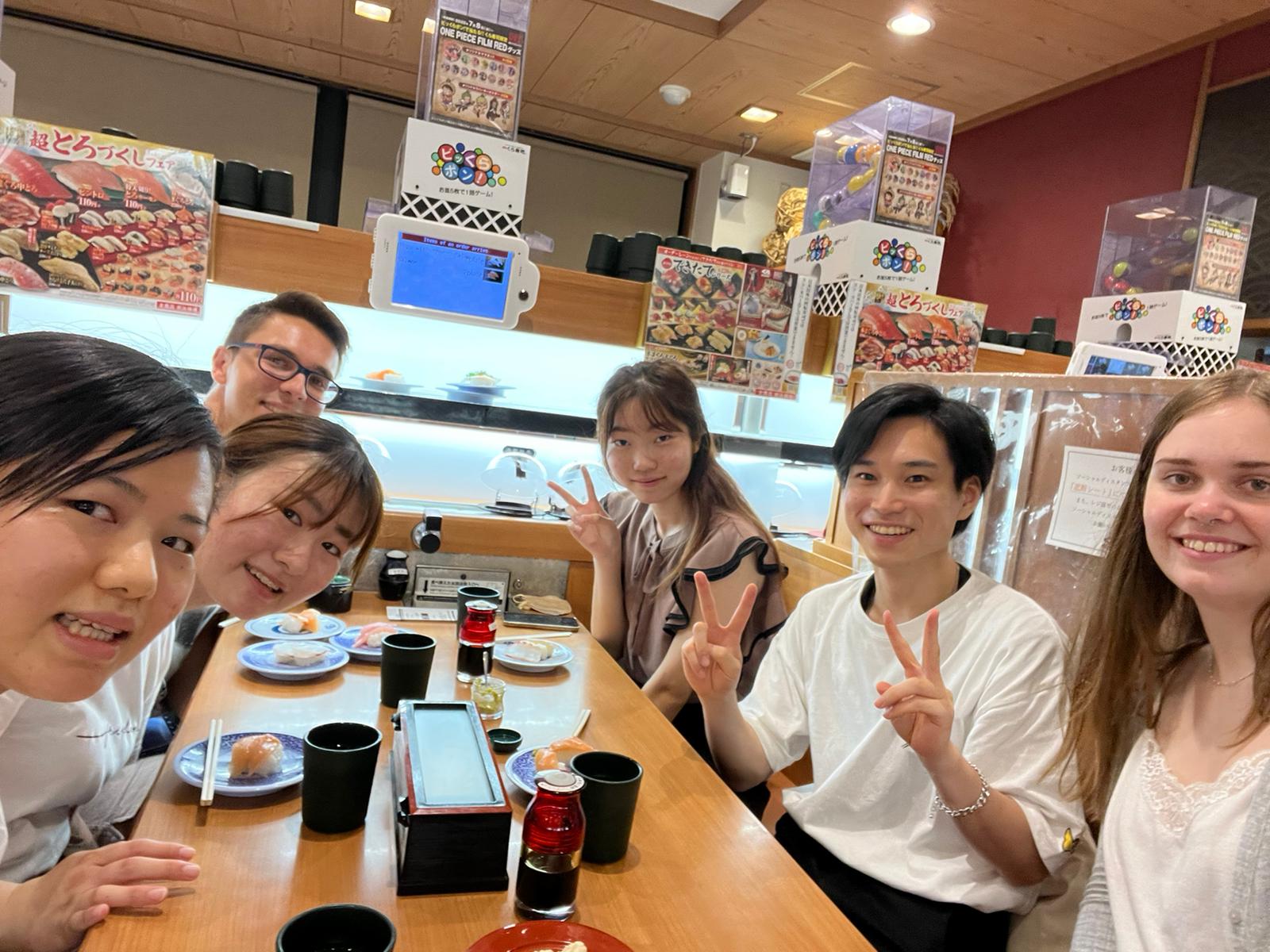
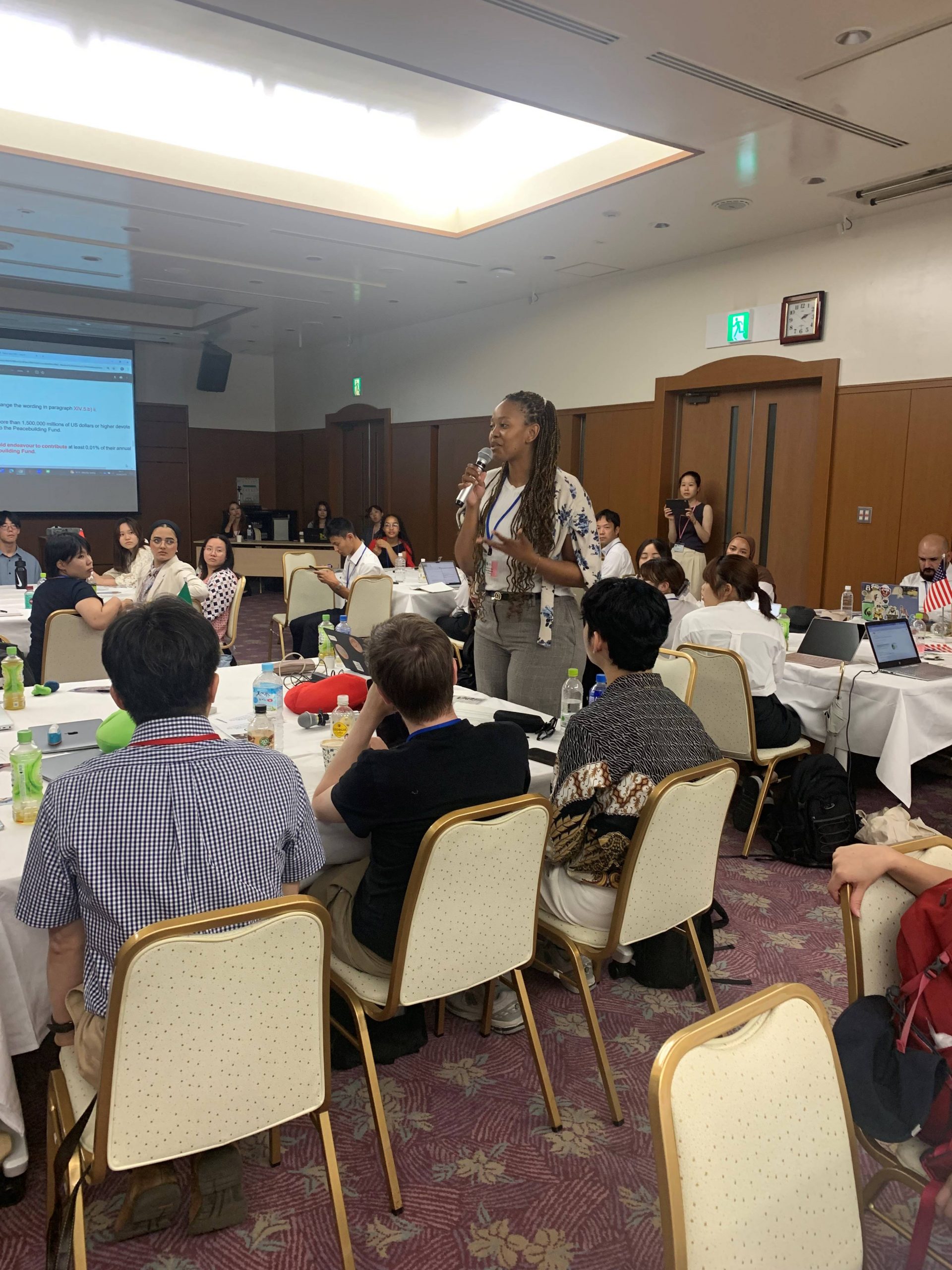
The 9-day program includes lectures, case studies and small group discussions. The program also offers field trips to local attractions and cultural learning experiences, and culminates in a United Nations role play where groups of students represent different countries, and negotiate to pass a draft resolution.
The theme of the seminar
Each year, the INU Student Seminar addresses a different theme. In 2026, the theme of the seminar is on the UN SDGs and sustainable economic development.
Seminar theme 2026: The UN SDGs and sustainable economic development
The purpose of the 17 United Nations Sustainable Development Goals (SDGs) adopted by the UN General Assembly as a part of the 2030 Agenda for Sustainable Development is to create a vision for achieving a sustainable future for all. UN Member States agreed to ensure that all human beings can enjoy prosperous and fulfilling lives and that economic, social and technological progress occurs in harmony with nature. The SDGs were designed to provide a basis to end poverty, eradicate hunger, protect the planet, and improve the quality of life in the world. It is intended to create a sense of accountability that allows positive progression toward sustainable development. The SDGs target developing or less developed states by urging richer states to support programmes in the less deprived or developed regions.
Sustainable economic development seeks to balance economic growth with social equity and environment protection. The principles of sustainable economic development include intergenerational equity, sustainable consumption and production, environmental stewardship, social justice and equity. Sustainable economic development is applied across many sectors which opens a wide range of topics for workshop speakers in different fields.
The seminar will consider the role of international organisations, especially the United Nations, in the field of sustainable economic development and examine how effective and influential international organisations can be in achieving this purpose. The aims of this year’s seminar are to explore the three dimensions of sustainable development: the economic, social and environmental and to discuss the possible ways to establish a balance between them.
You can view the full list of past International Student Seminar themes since the seminar first started in 2006 here.
Eligibility
Full-time students from INU member institutions who are willing to be challenged by an intensive academic and cultural program.
Each INU member universities will invite their students to apply to participate, usually in February-April. Please do contact the International Office / Centre for Global Engagement / Study Abroad Office at your University to express your interest in participating, or contact the INU Coordinator for further information: inu@kingston.ac.uk
Who should apply?
The student seminar is designed for highly motivated students who are interested in:
- Increasing their understanding of political, economic, social and cultural challenges emerging in an increasingly globalized world
- Understanding the notion of global citizenship and considering their potential as global citizens
- Deepening their appreciation of the challenges and payoffs of cross-cultural and international engagement
- Sharing reflections with students, academics, and other seminar participants.
Application and Selection Process
Each INU member institution determines the application and selection process for students at their university. For more information, contact the International Office / Global Engagement Office / Study Abroad Office at your home institution, or contact the INU Coordinator.
Please note: Participants should be aware that photographs and video footage will be taken during the seminar program which will feature seminar participants (students and faculty). This will be used on the INU website and social media to promote INU and our activities, and will also be shared with INU member universities for their website and social media also for the same purpose.
Practical Information
Students and staff will stay in the same hotel, close to the seminar venue at Higashi Hiroshima campus. The hotel is booked for students by Hiroshima University, however the cost of the stay is to be covered by the student/staff themselves.
The program schedule, accommodation information and reading lists will be provided to selected students in advance of the seminar.
To enable full participation in the program, students are asked to arrive in Hiroshima on Monday 3rd August 2026 and to depart Hiroshima on Thursday 13th August 2026.
Draft Schedule*
| Date | Activity |
| Monday 3rd August | Arrive Hiroshima/Check in |
| Tuesday 4th August | Welcome and introductions |
| Wednesday 5th August | Survivor of the Atomic Bombing Talk / United Nations Plenary lecture |
| Thursday 6th August | Peace Memorial Events events |
| Friday 7th August | Workshops and Group Work / Japanese culture |
| Saturday 8th August | Workshops and Group Work |
| Sunday 9th August | Free Day for Miyajima / Local attractions |
| Monday 10th August | Workshops and Group Work |
| Tuesday 11th August | Workshops and Group Work |
| Wednesday 12th August | United Nations Role Play |
| Thursday 13th August | Return home |
*Please note this schedule is to provide an indication of activities and is subject to change.
Questions?
Please do contact the INU Coordinator: inu@kingston.ac.uk
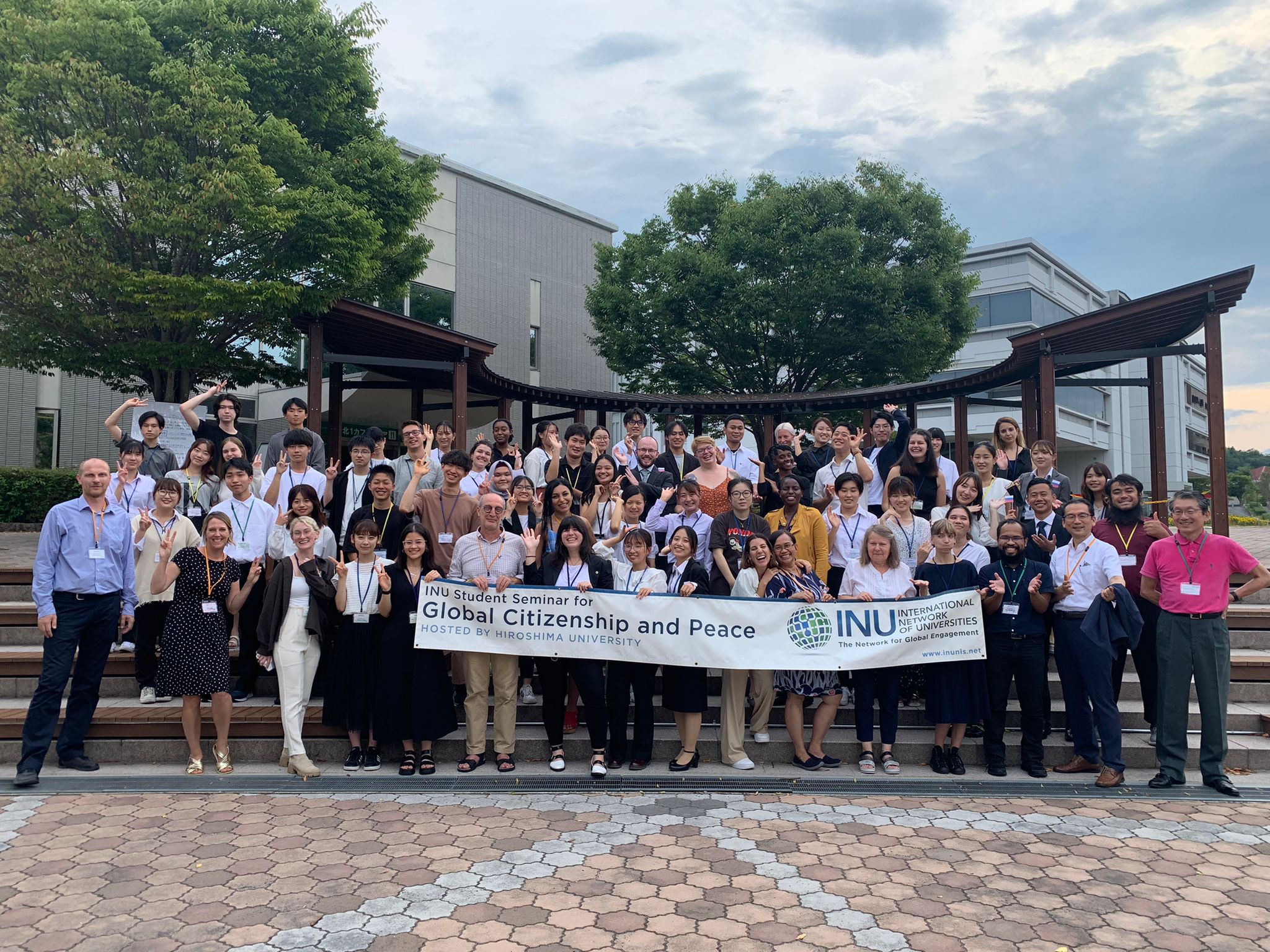
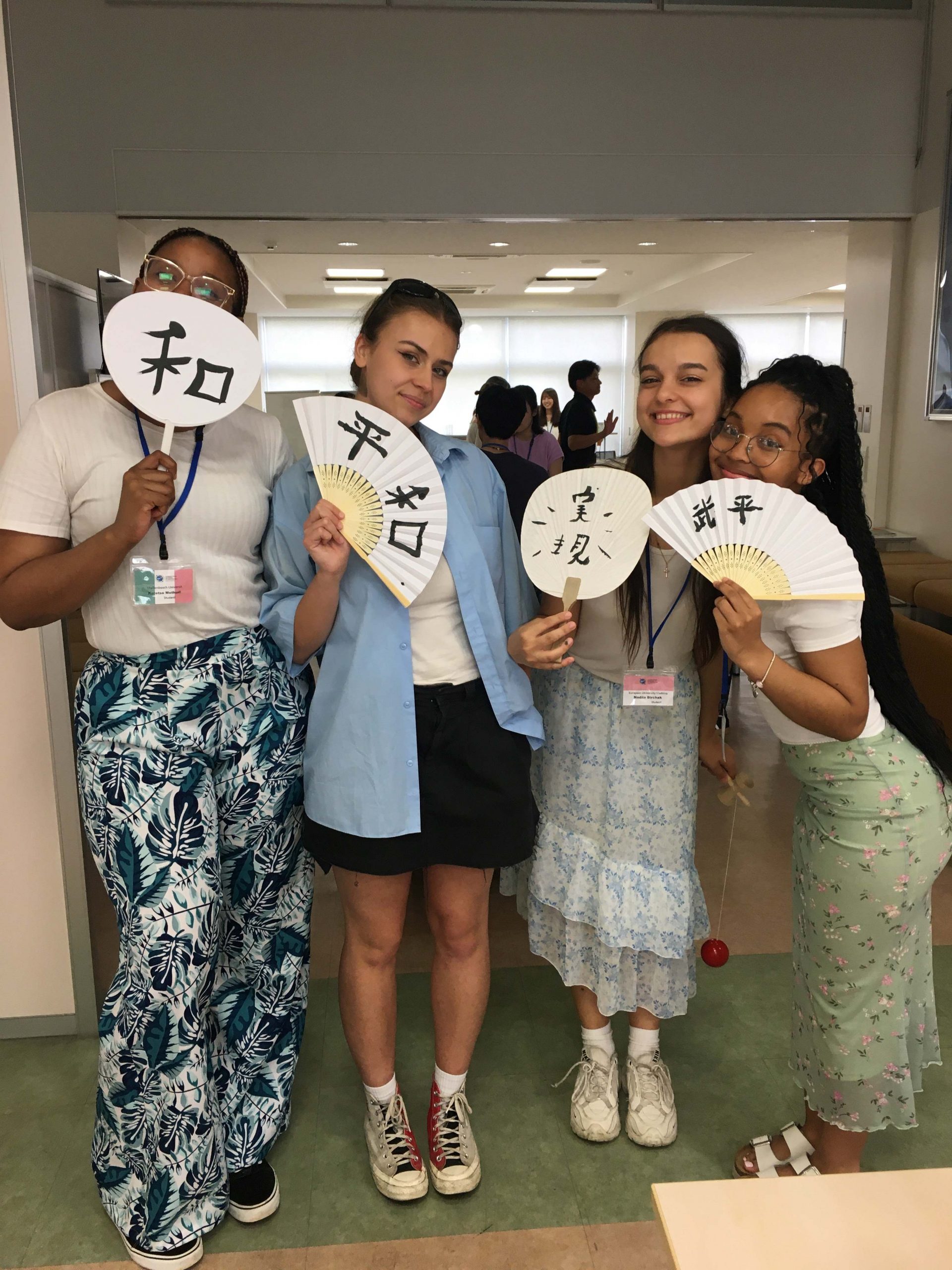
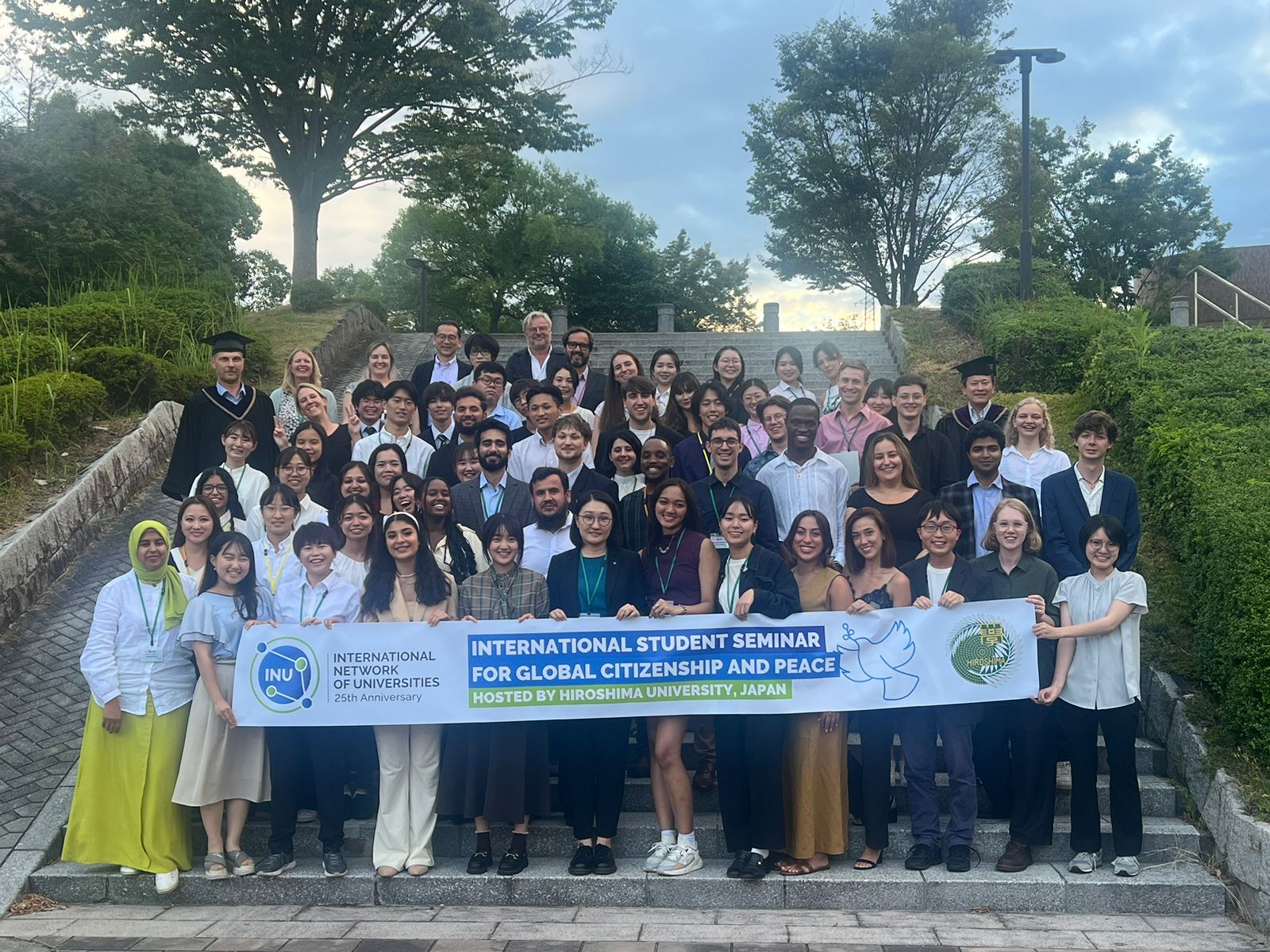
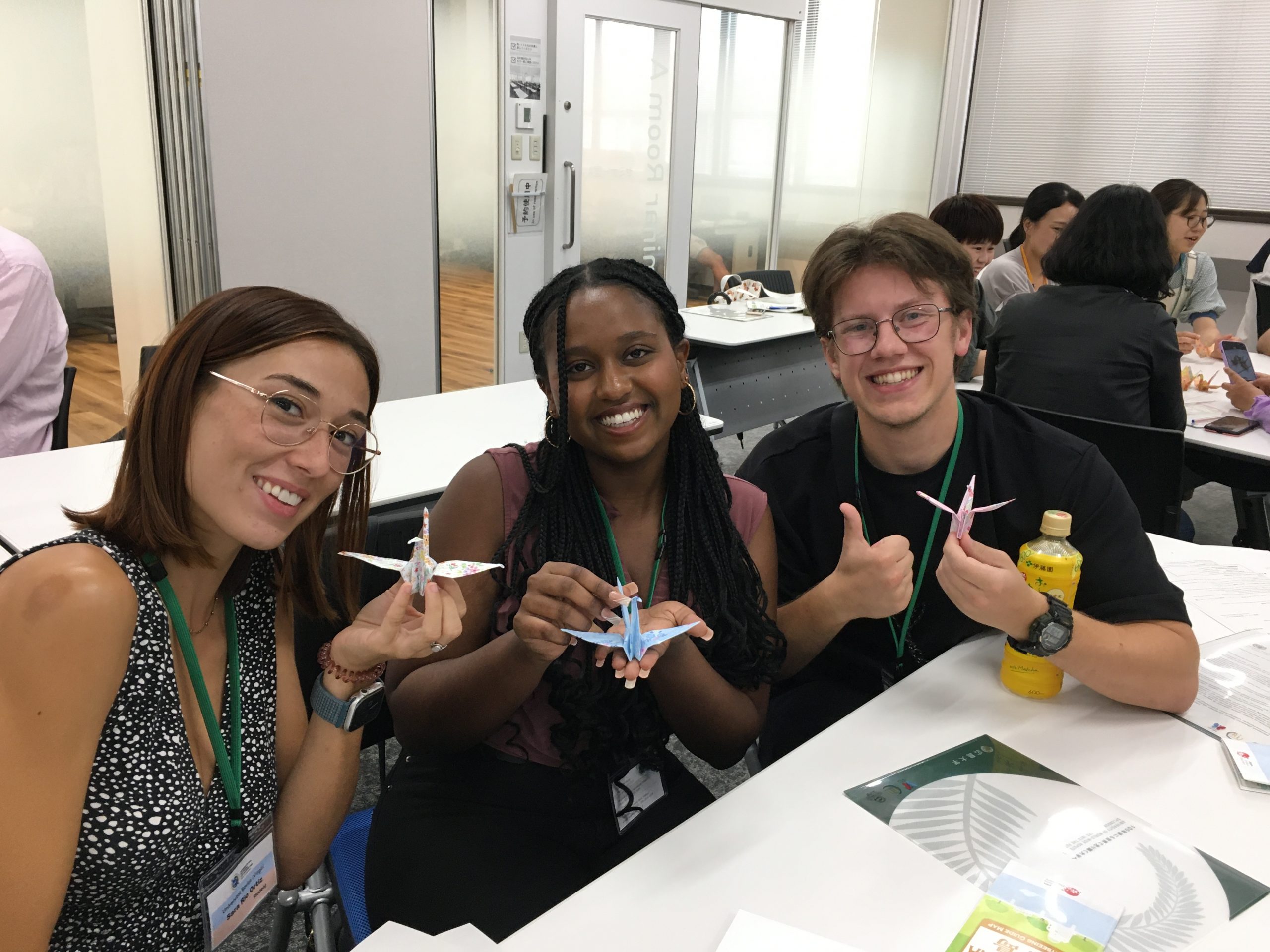
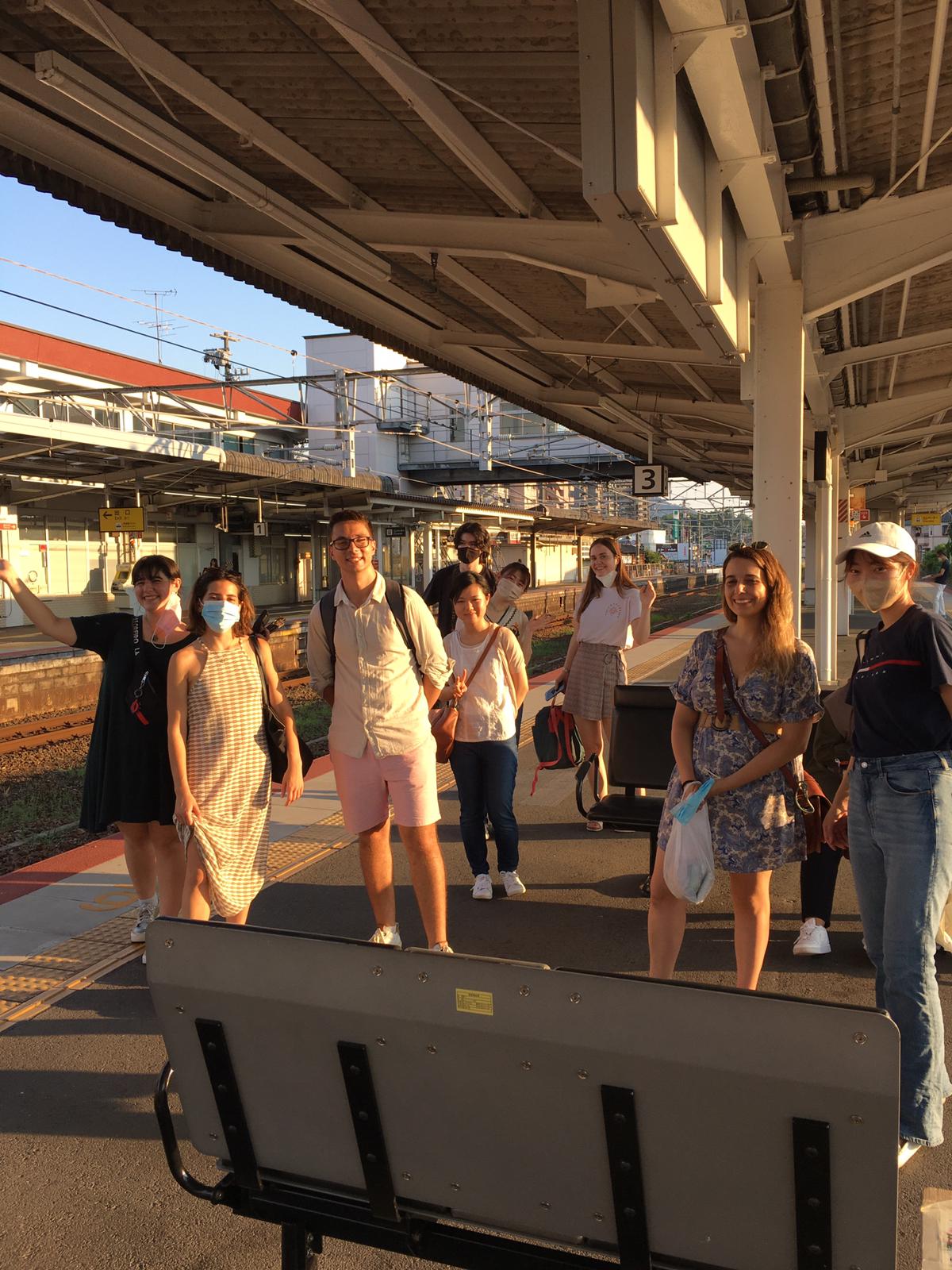
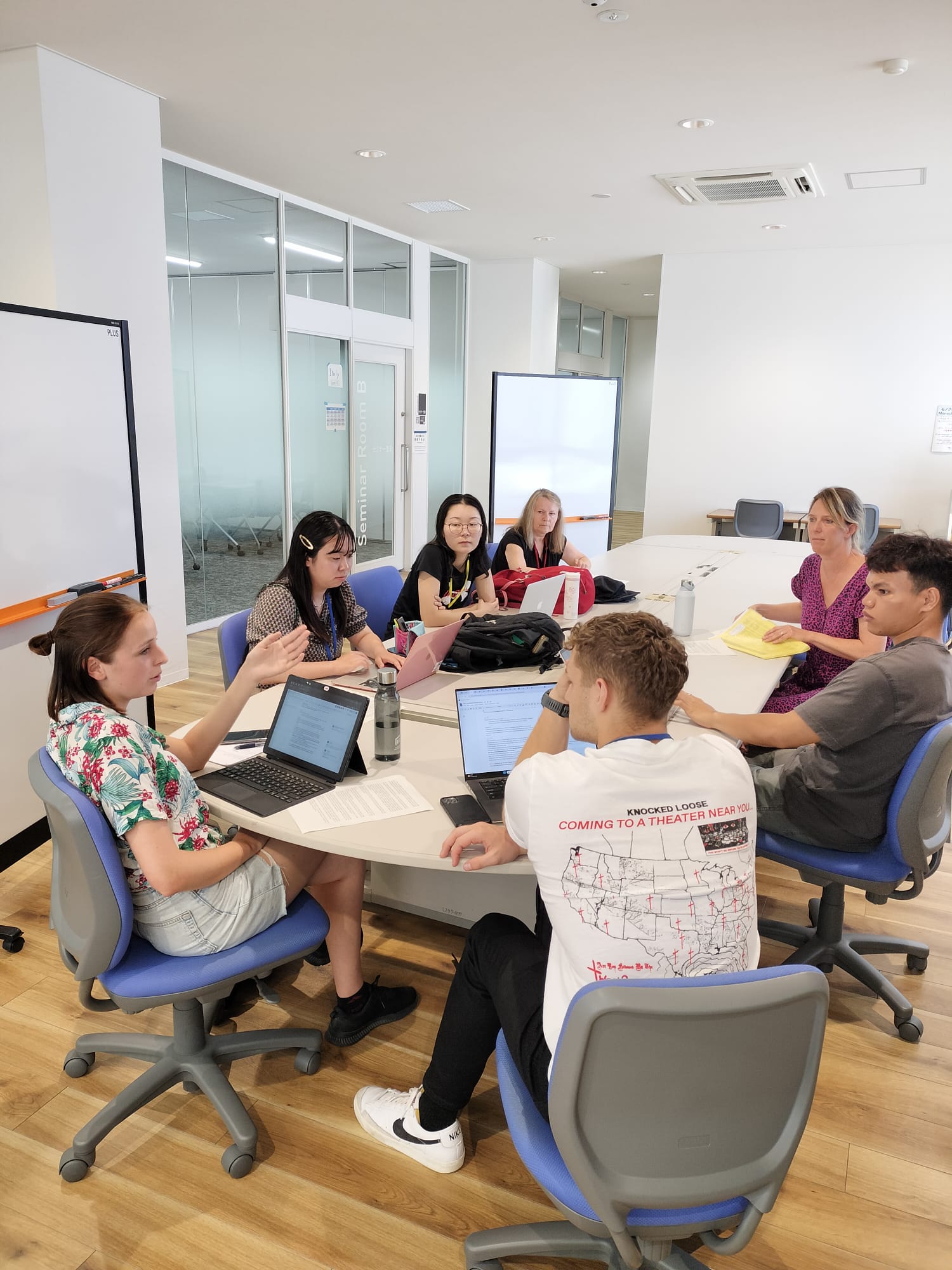
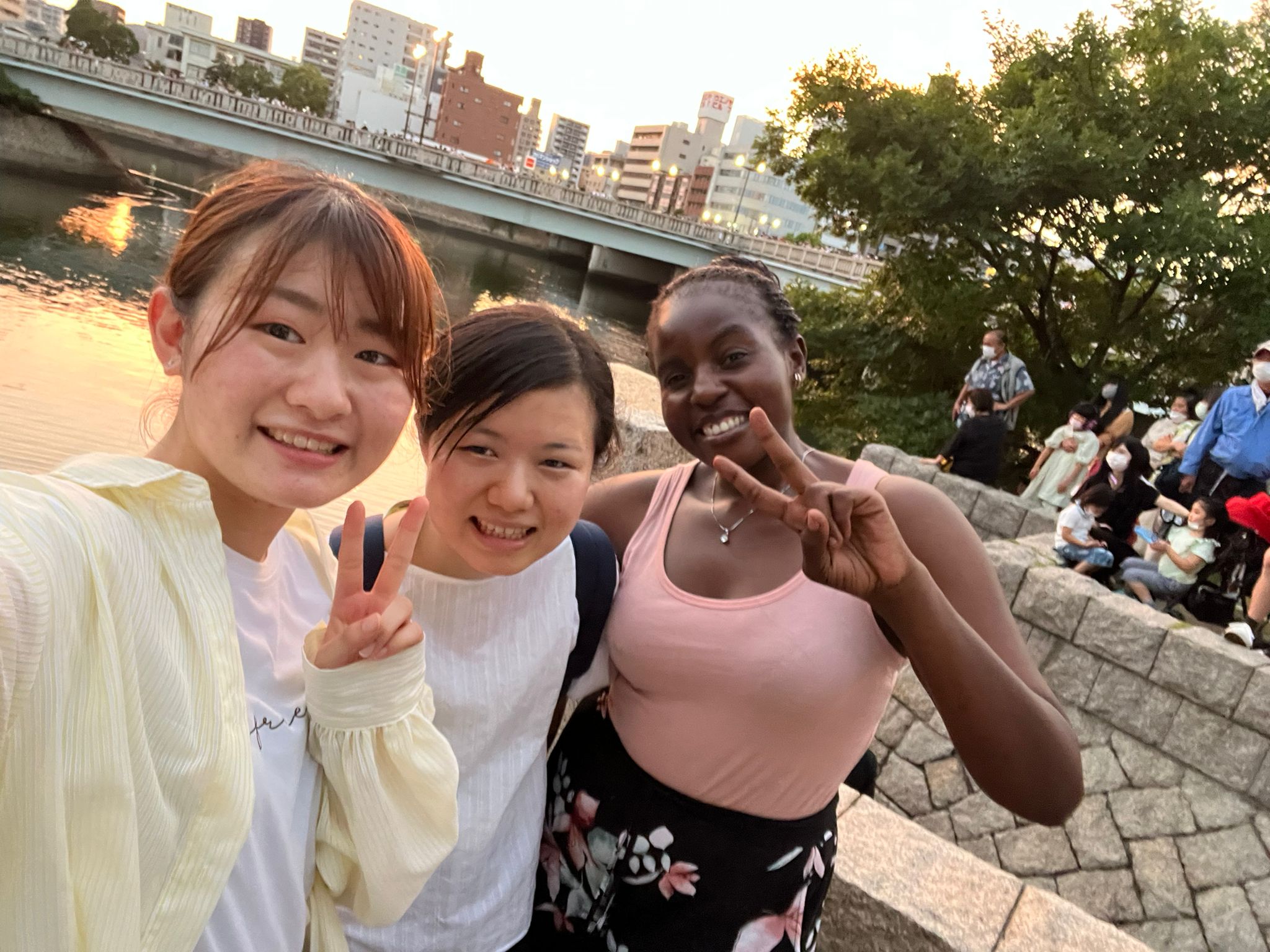
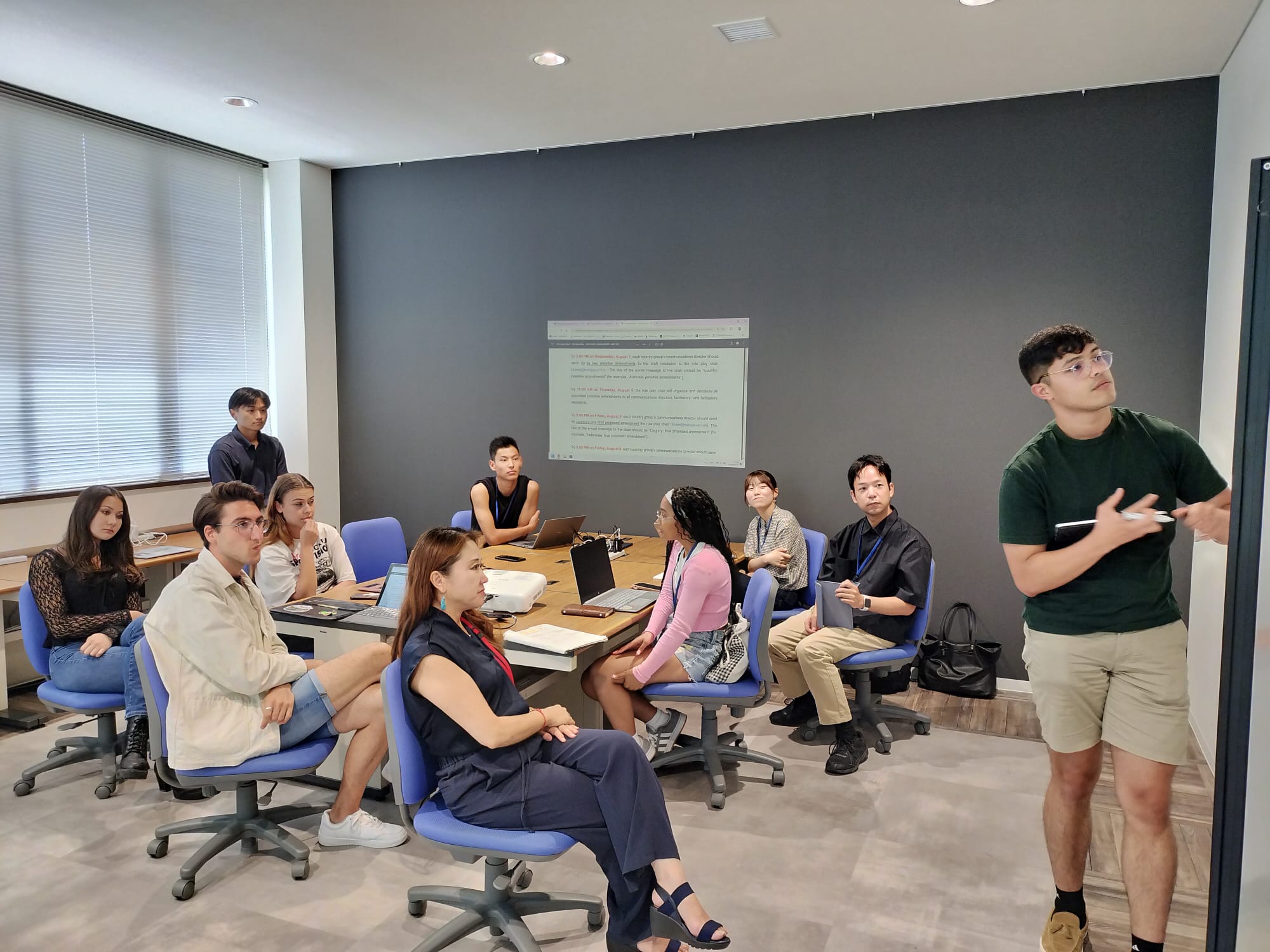
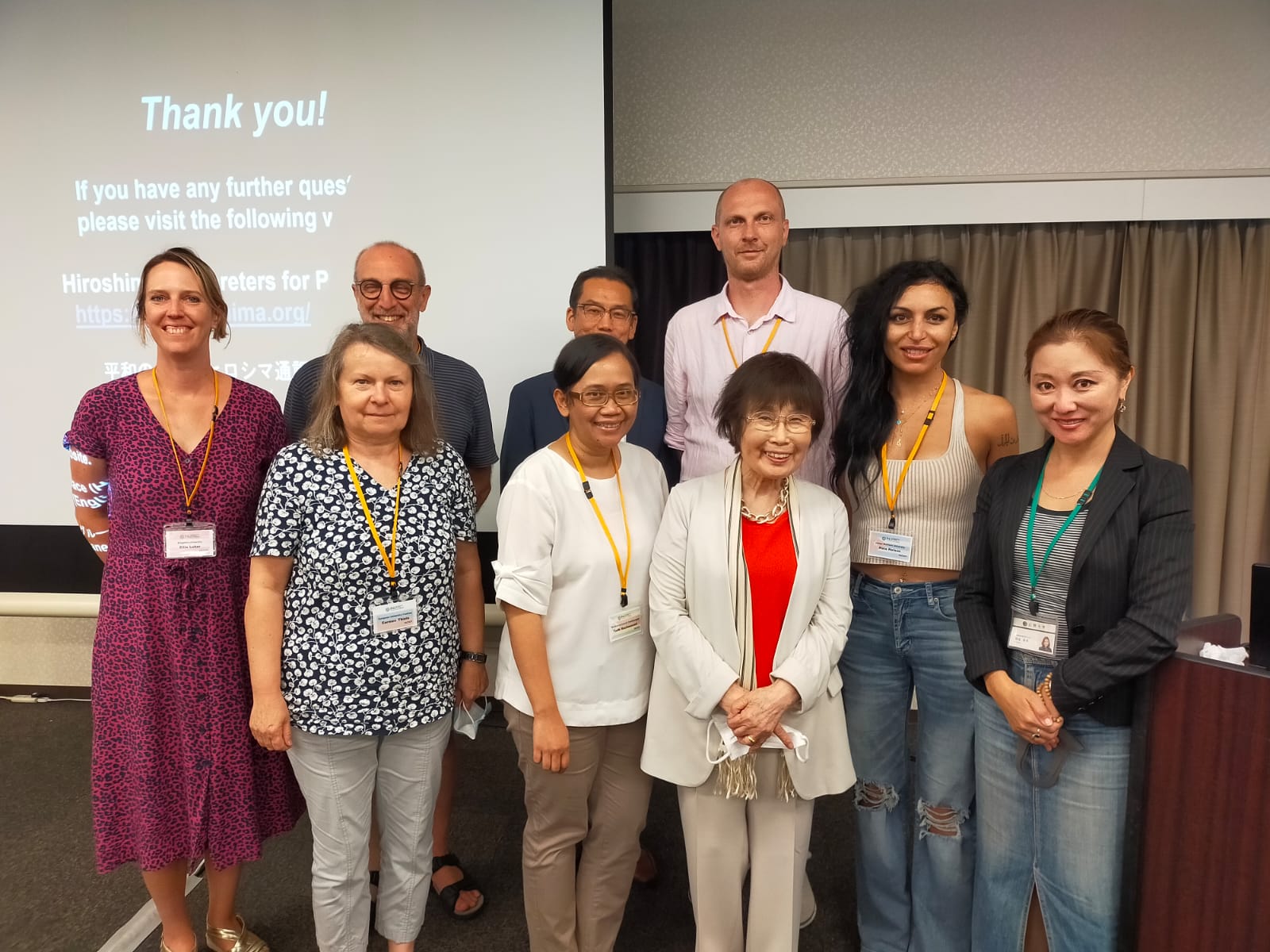
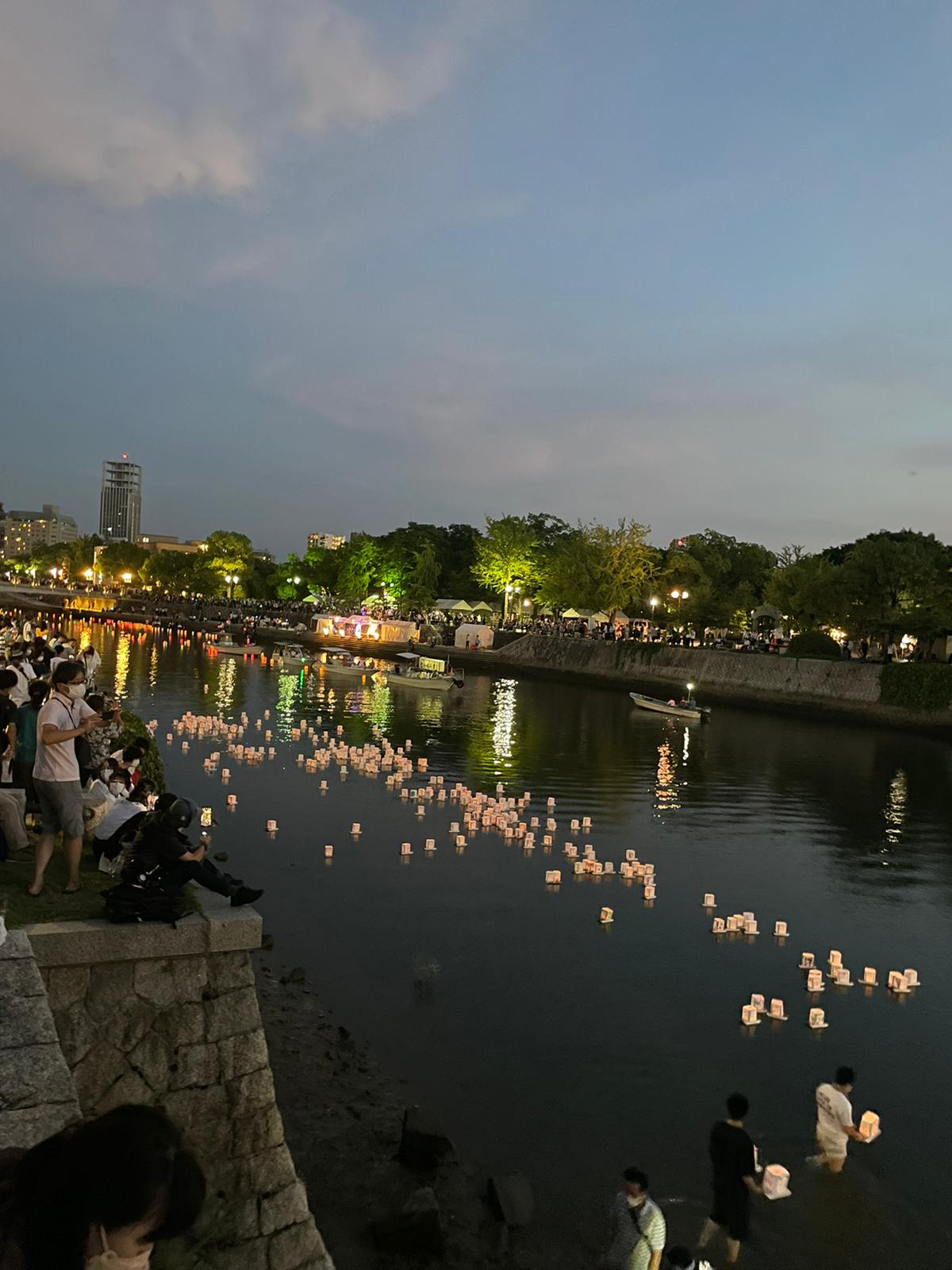
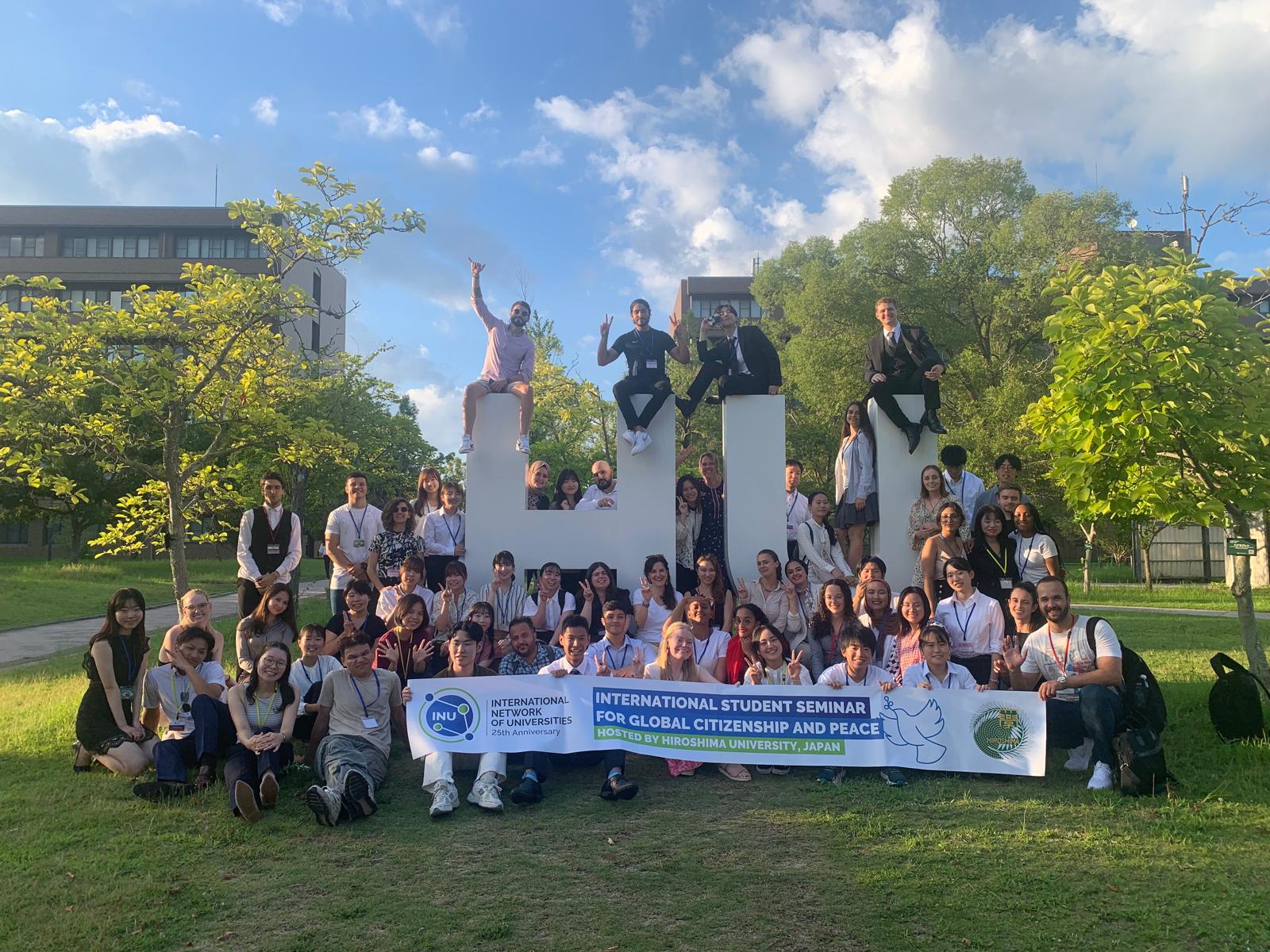
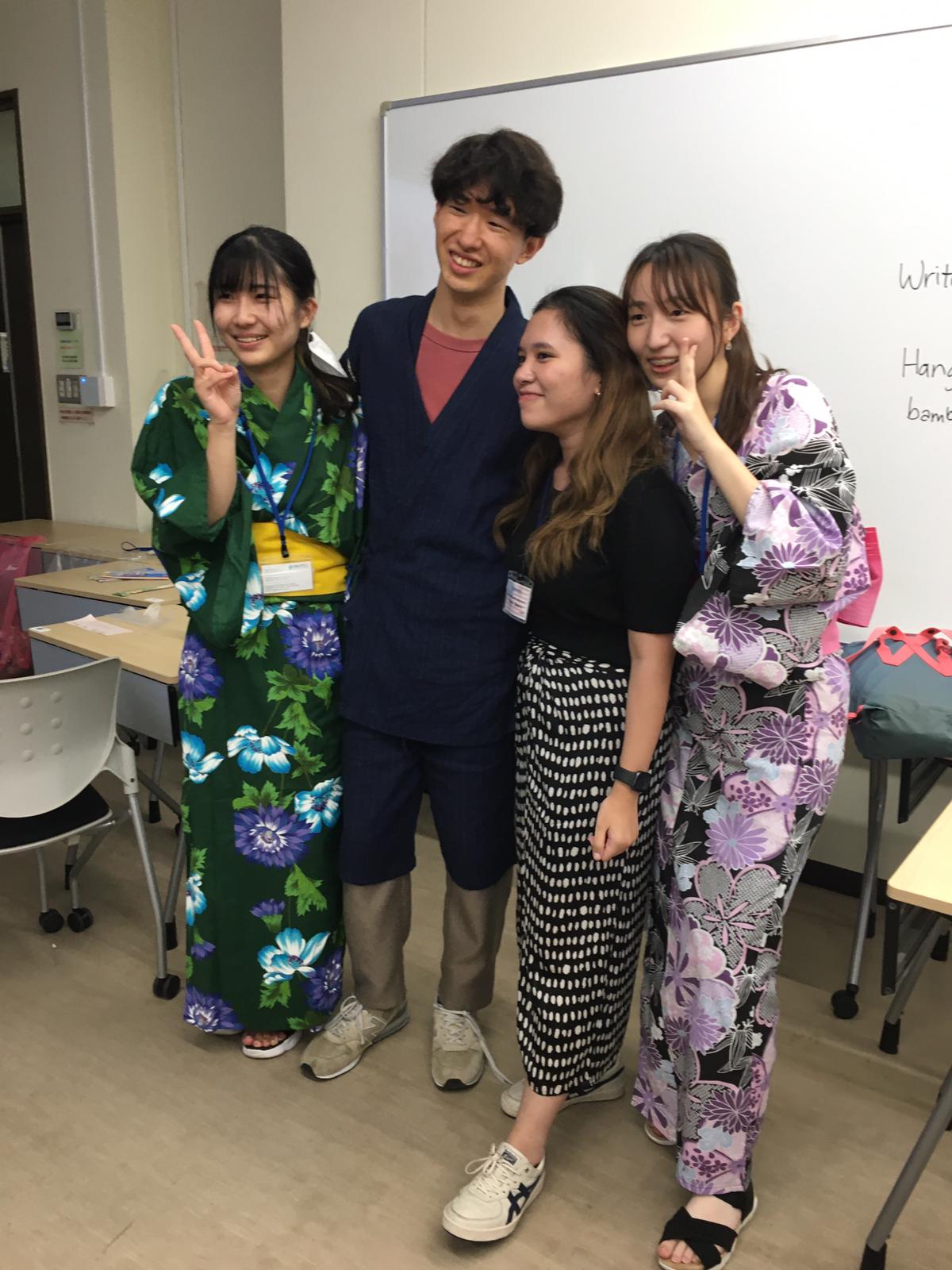
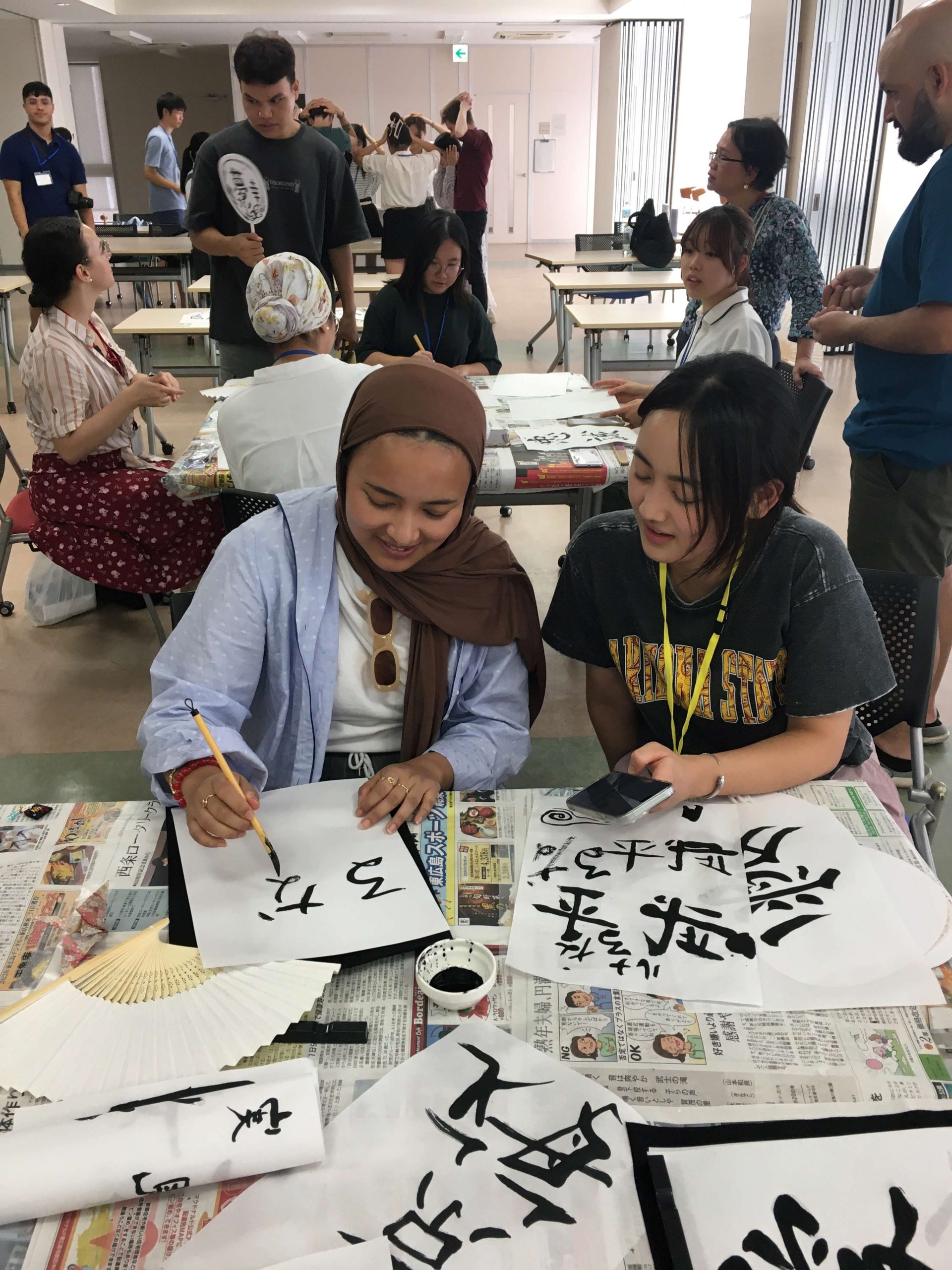
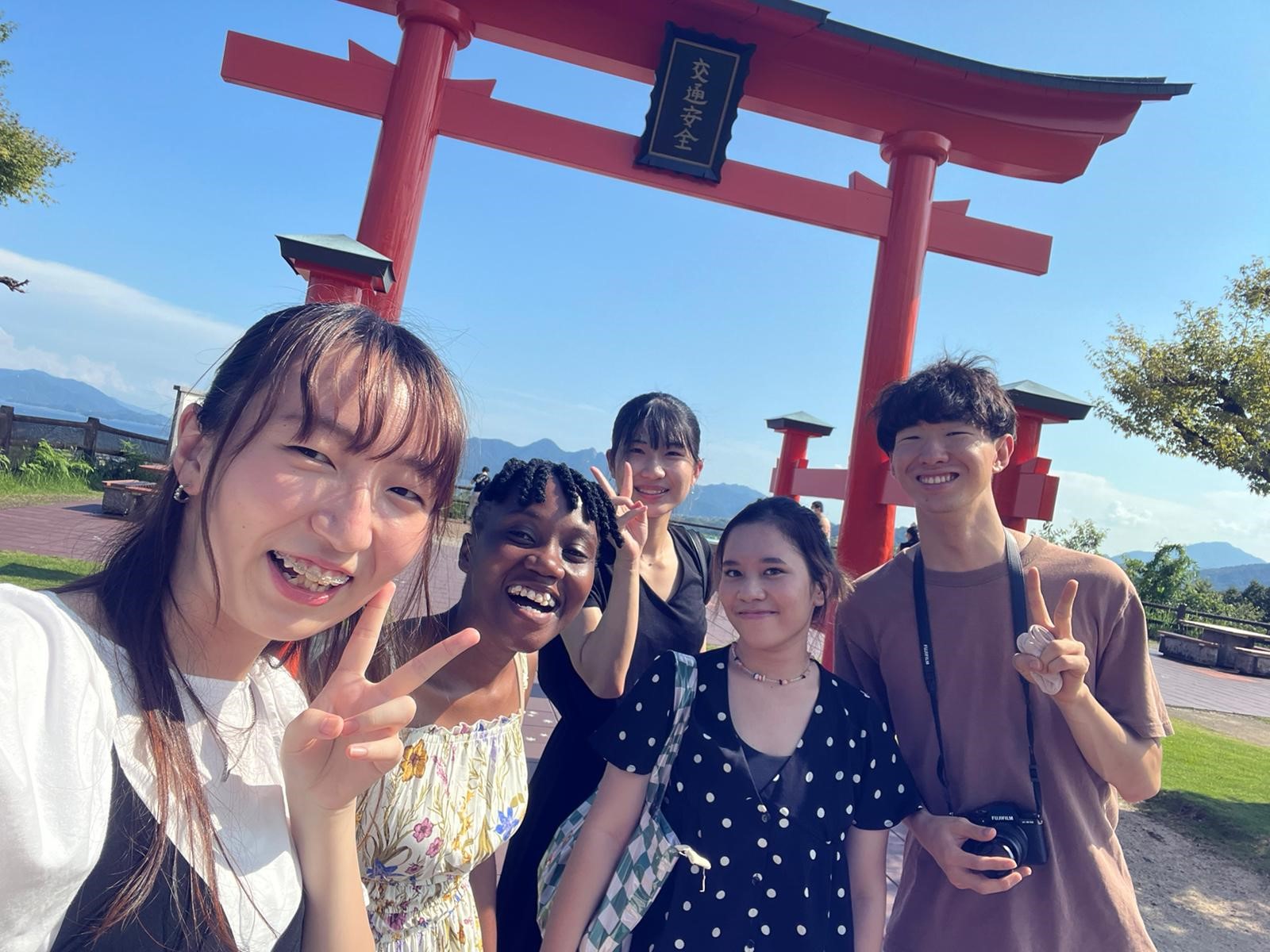
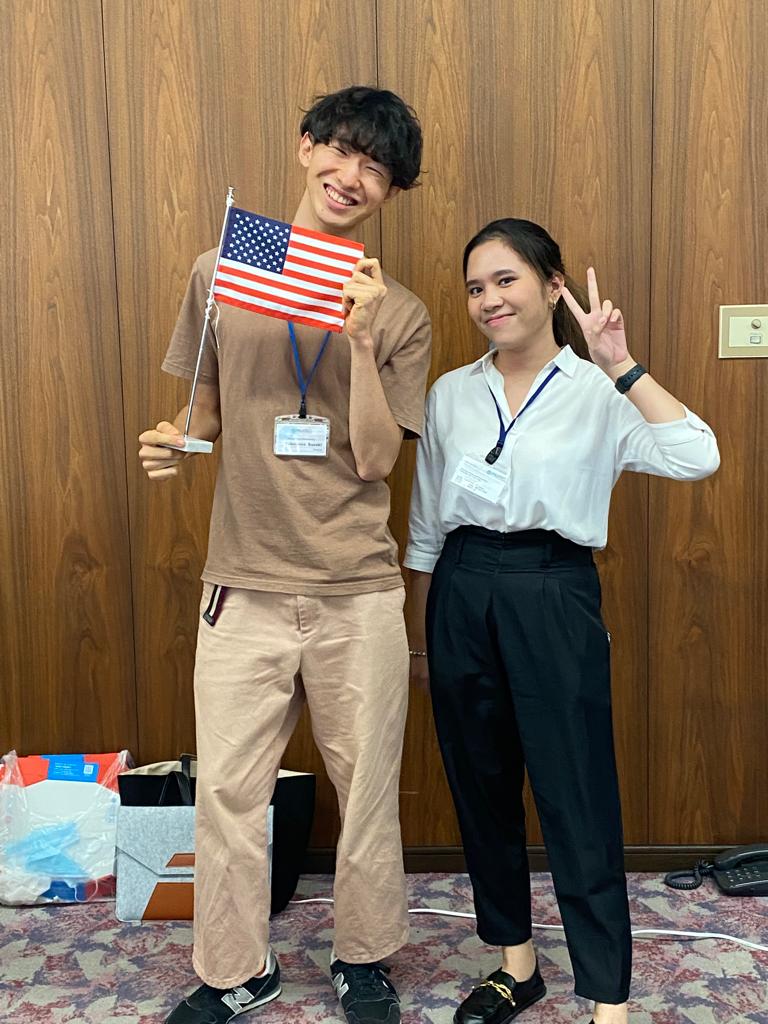
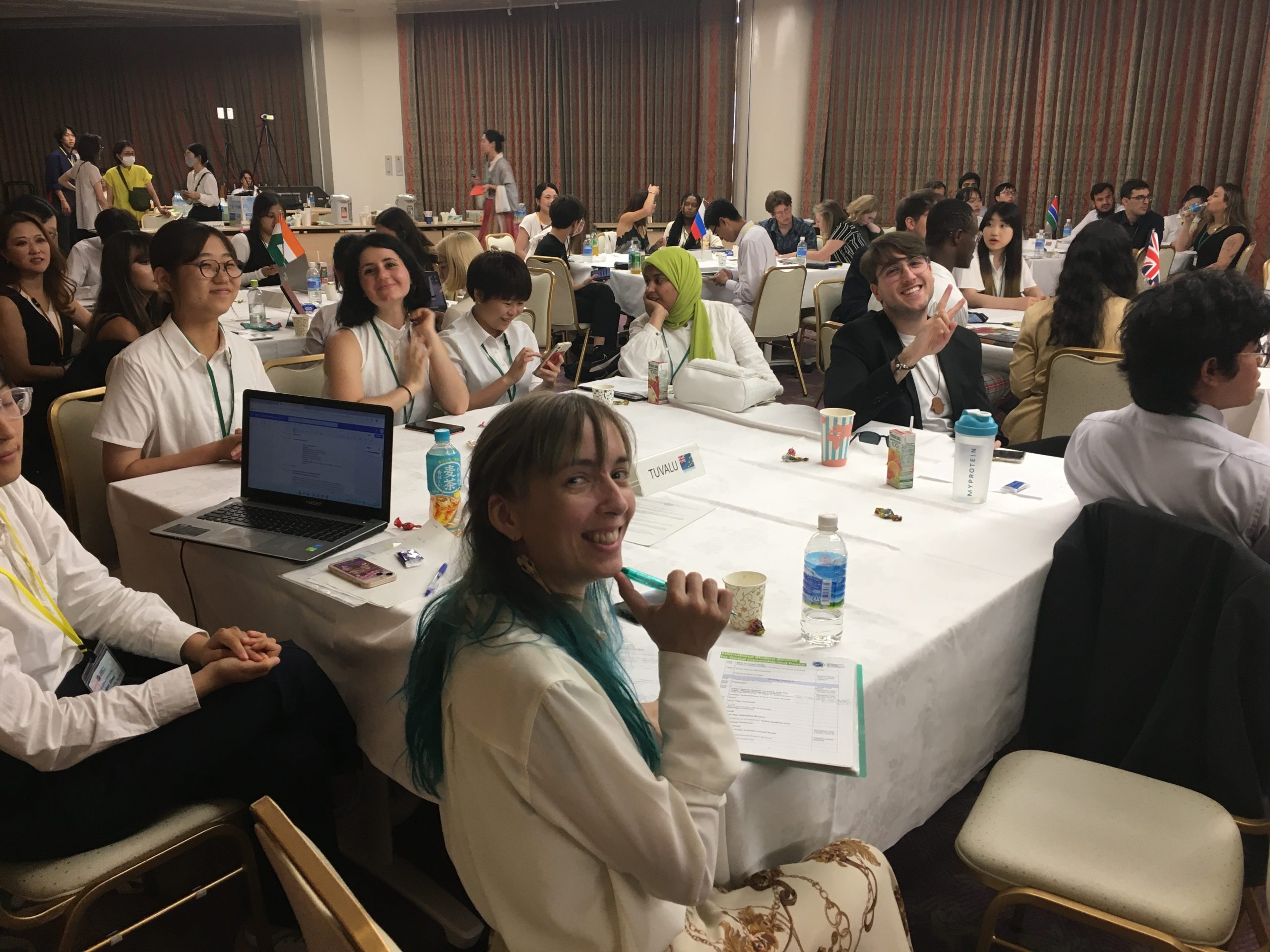
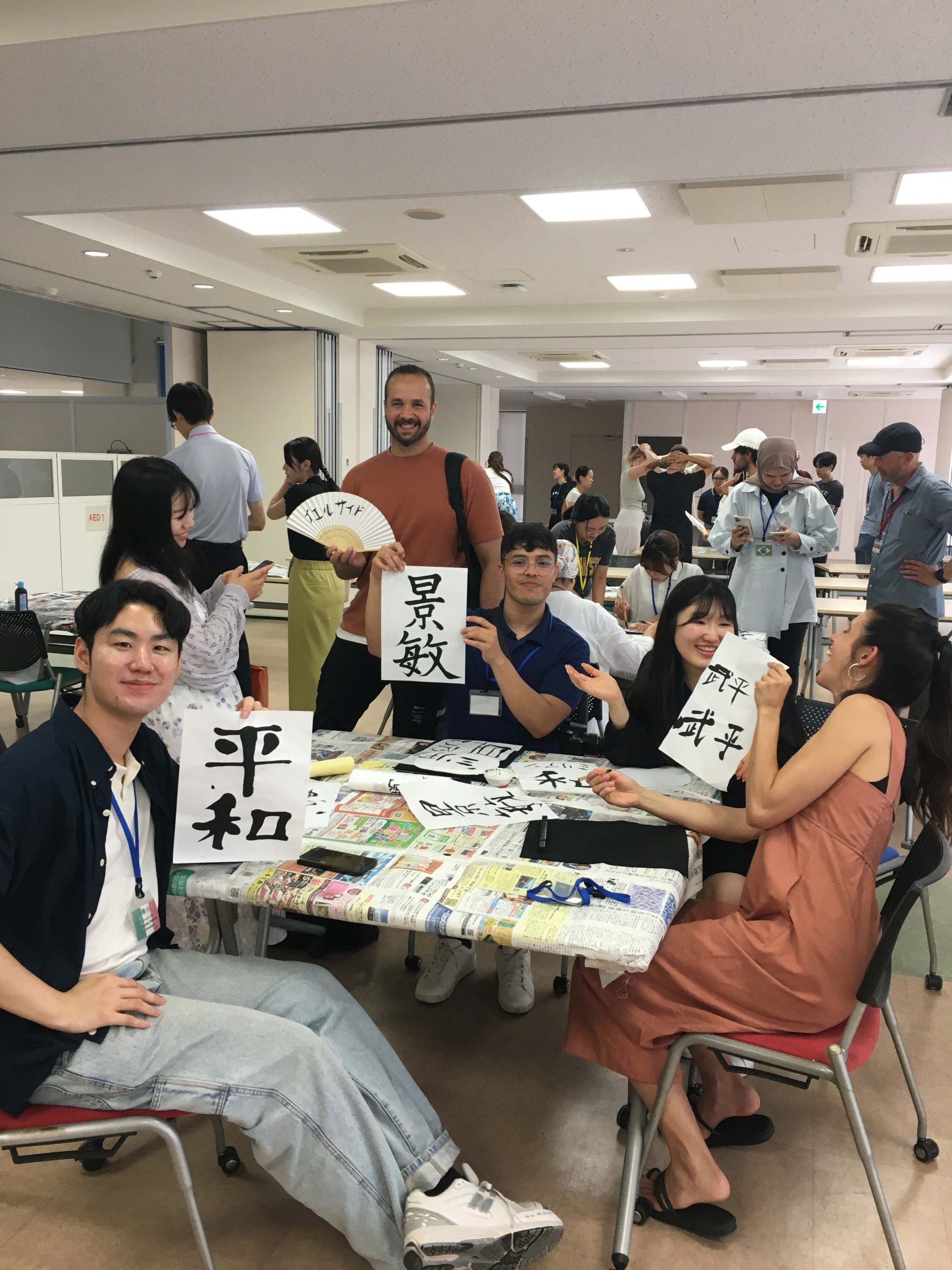
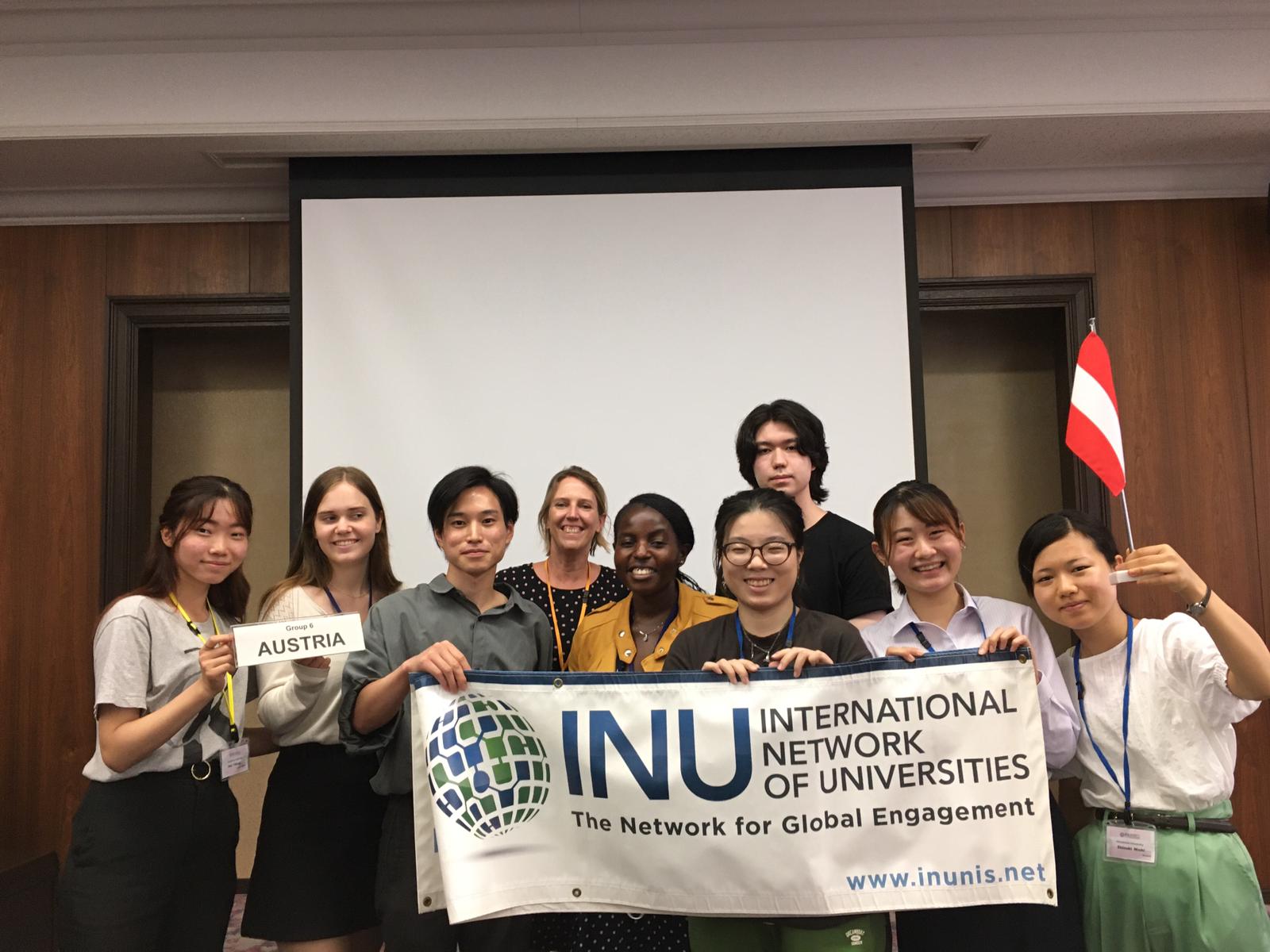
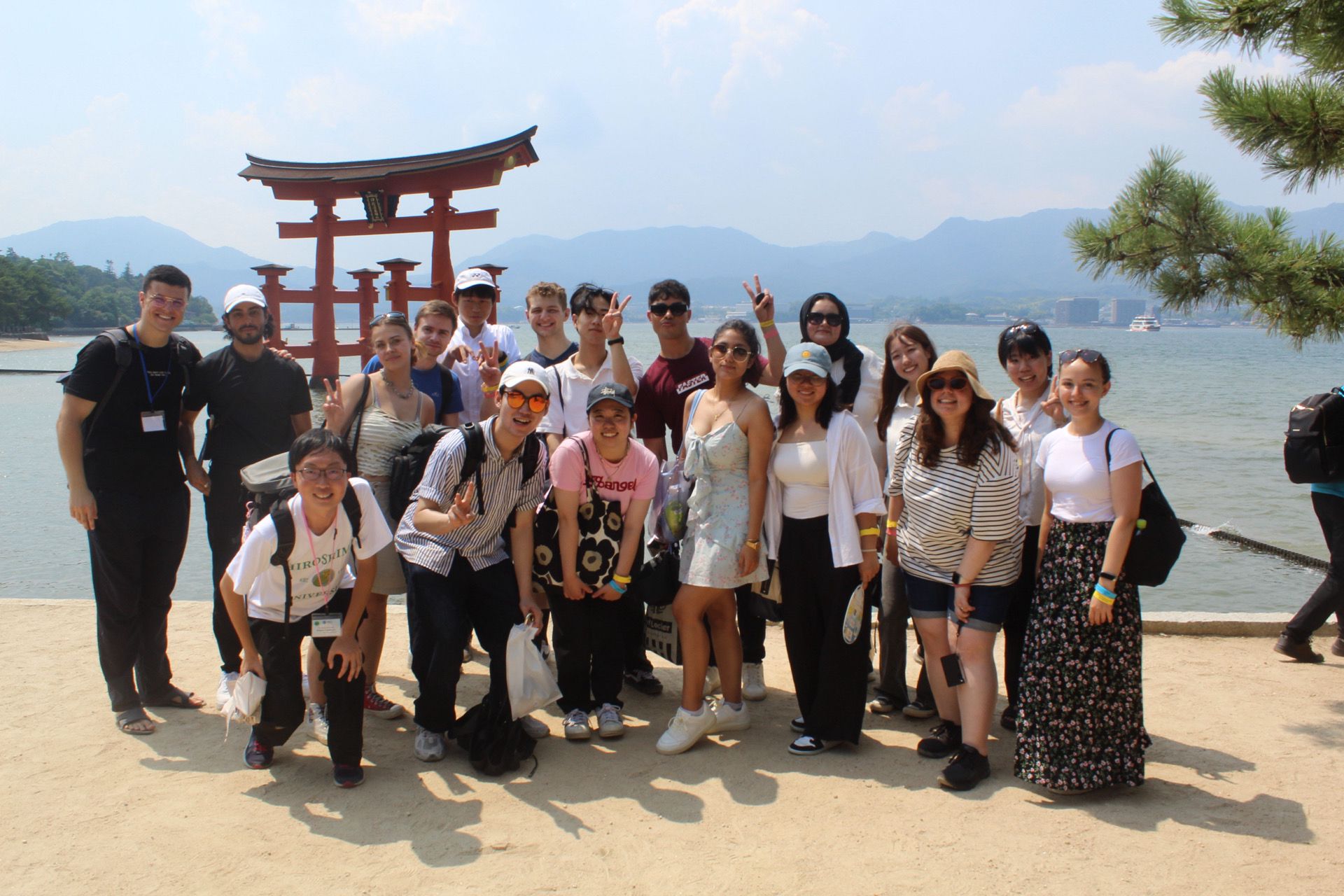
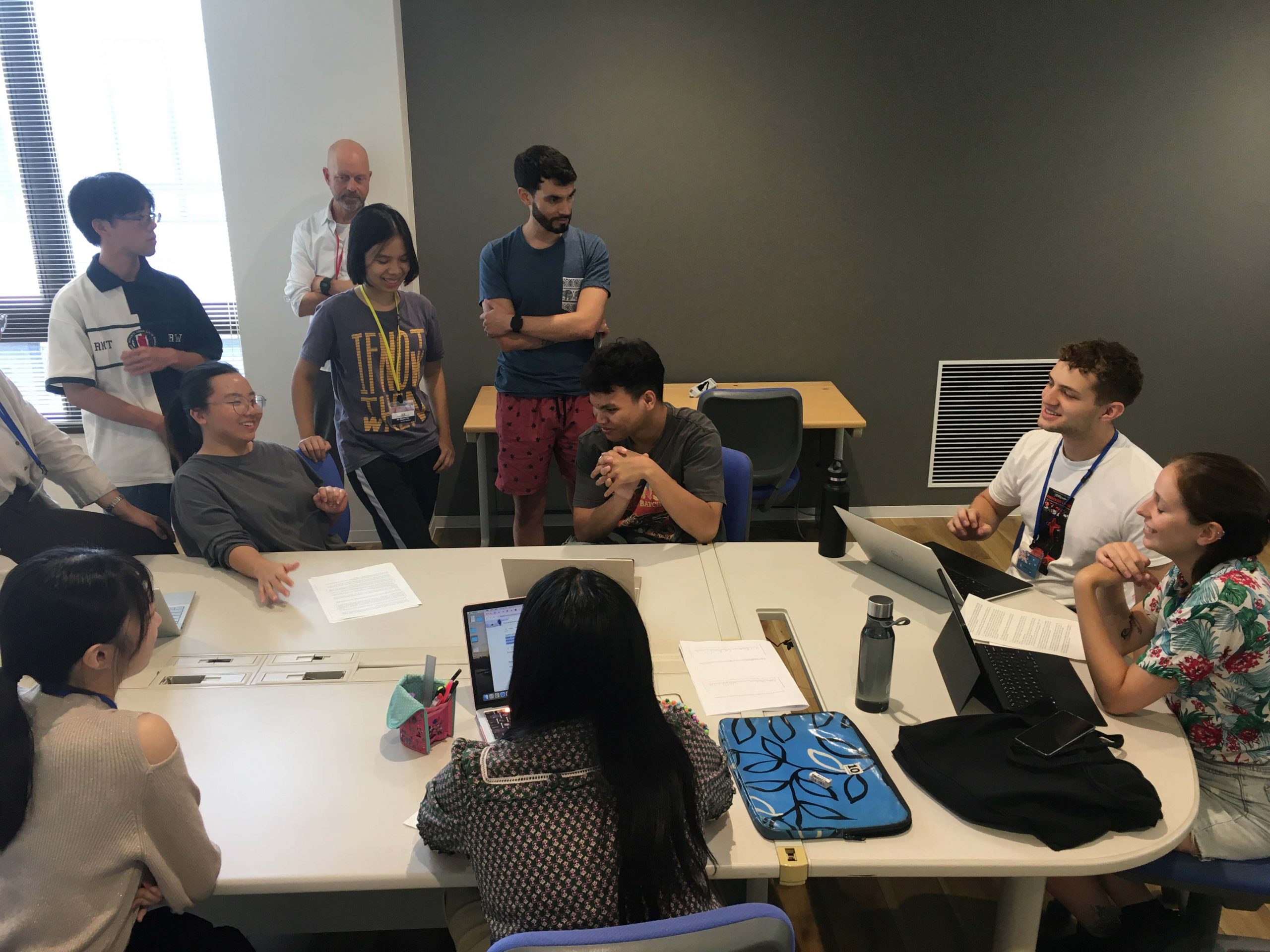
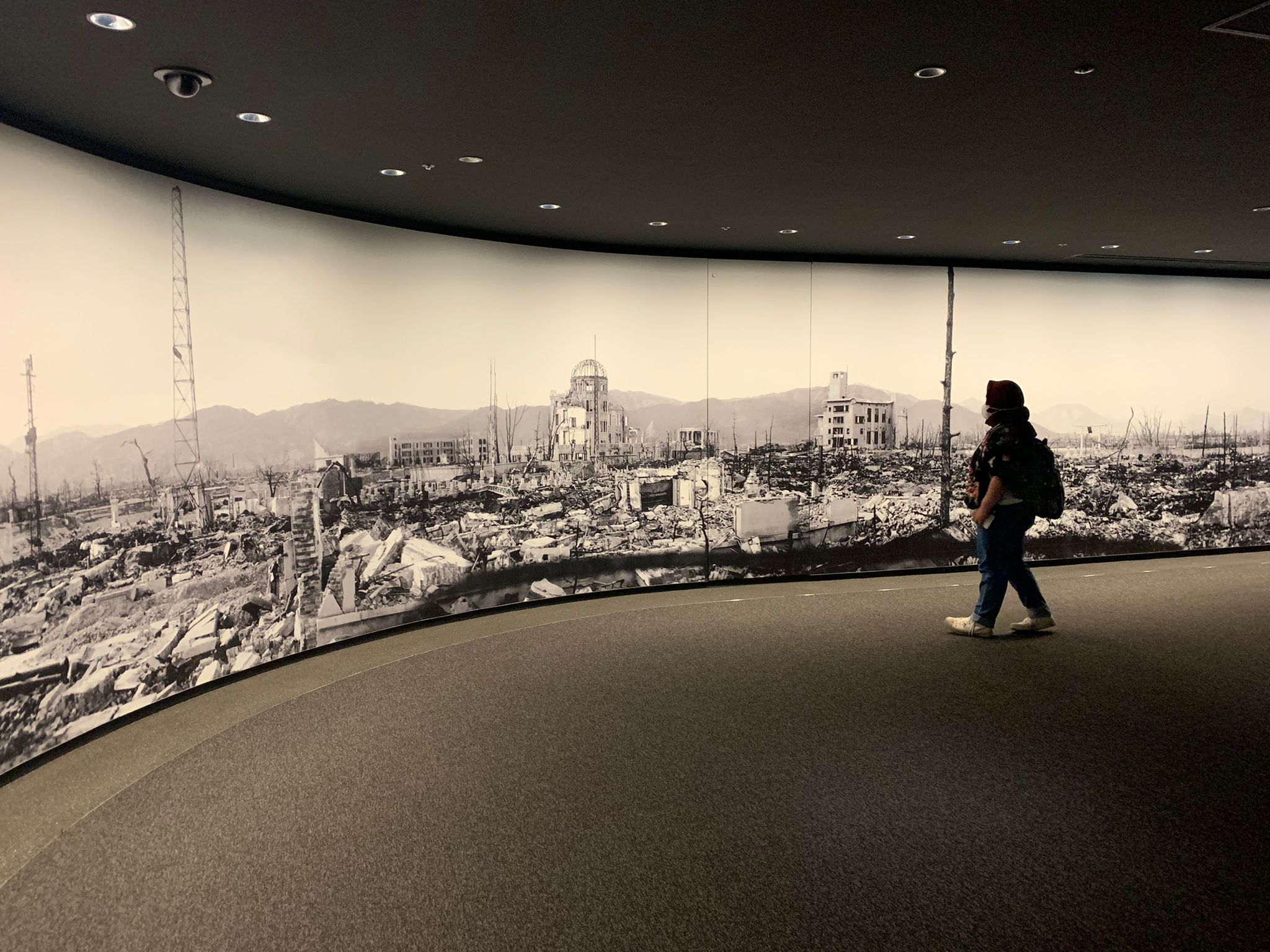
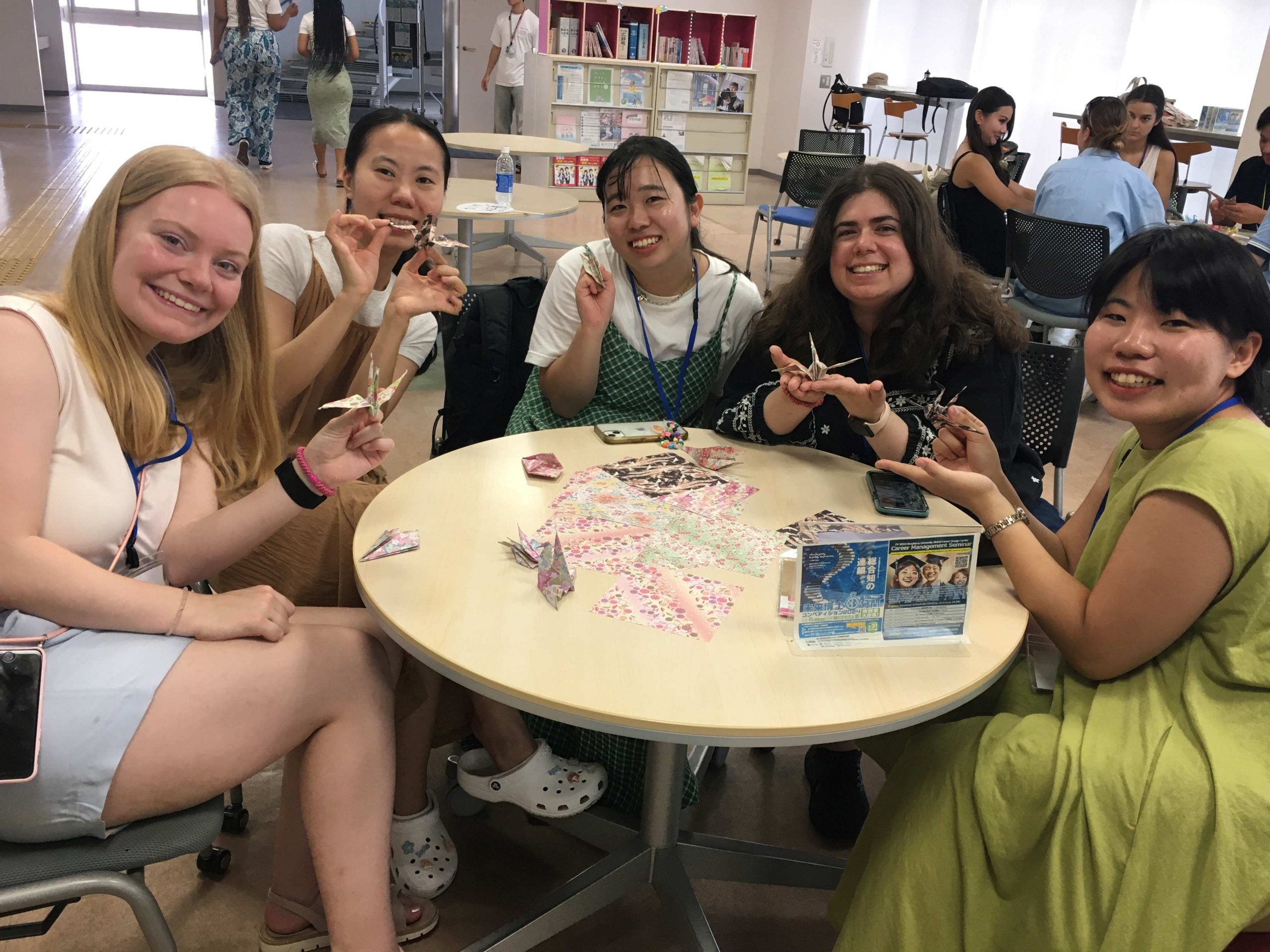
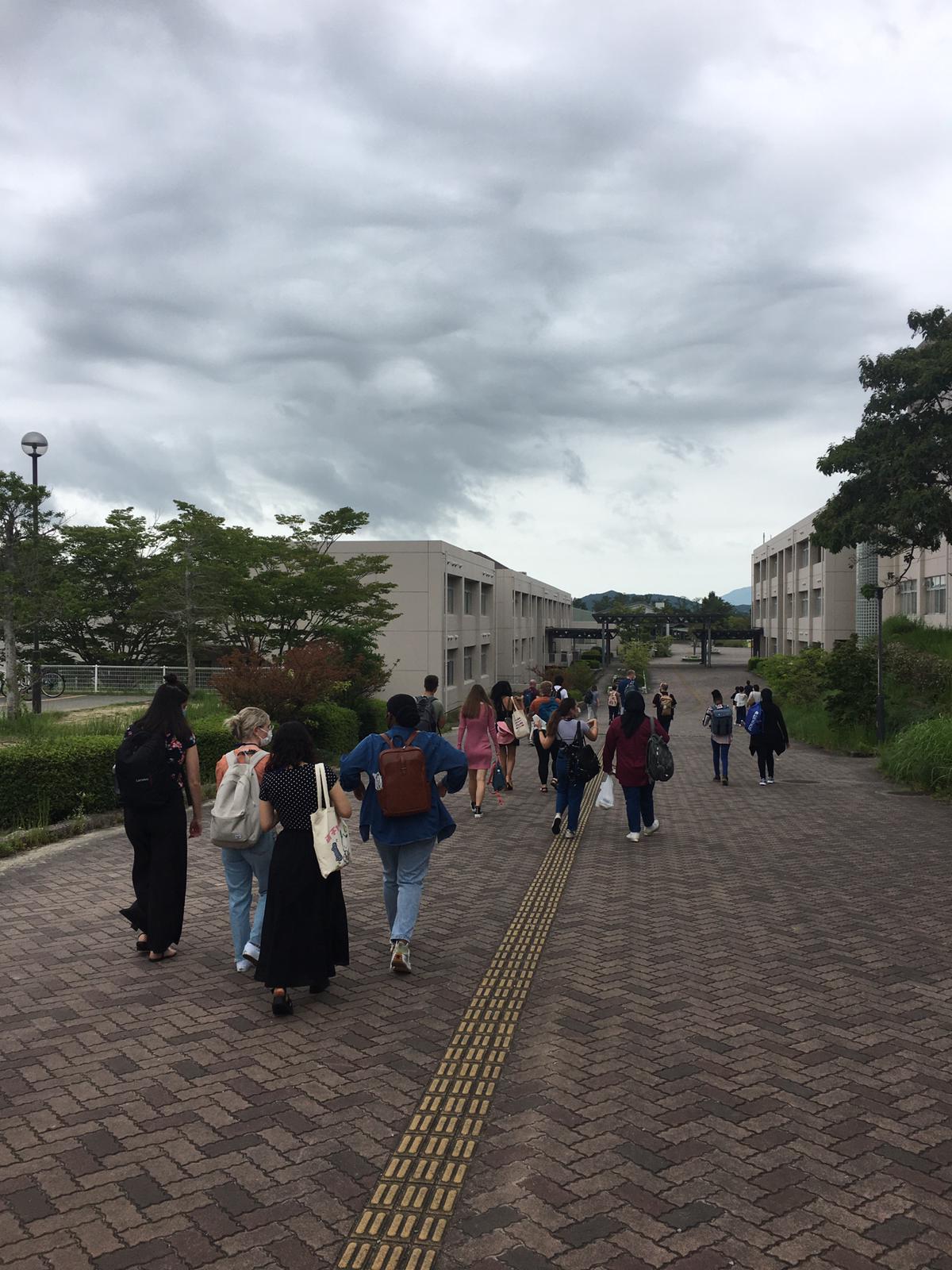
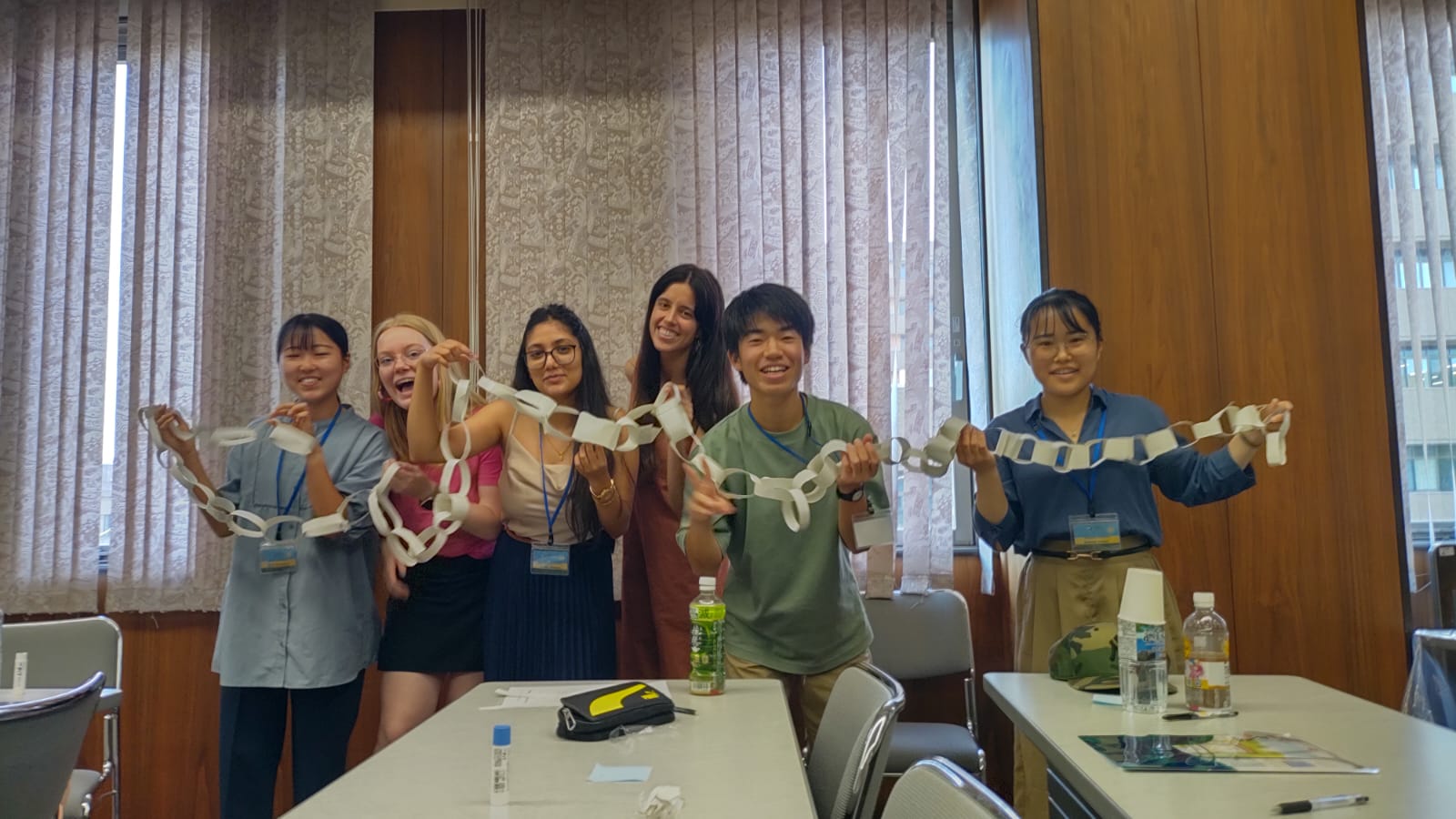
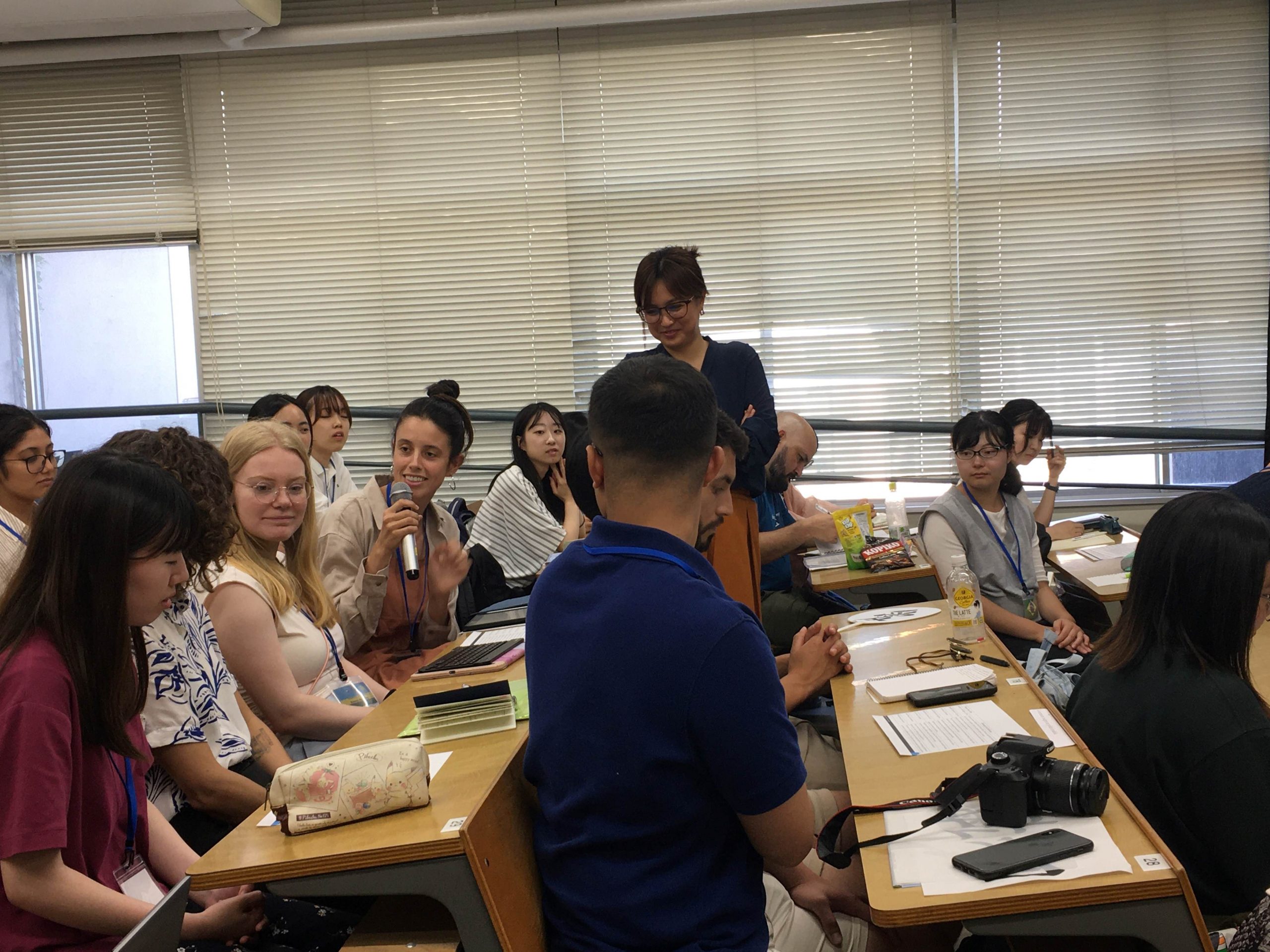
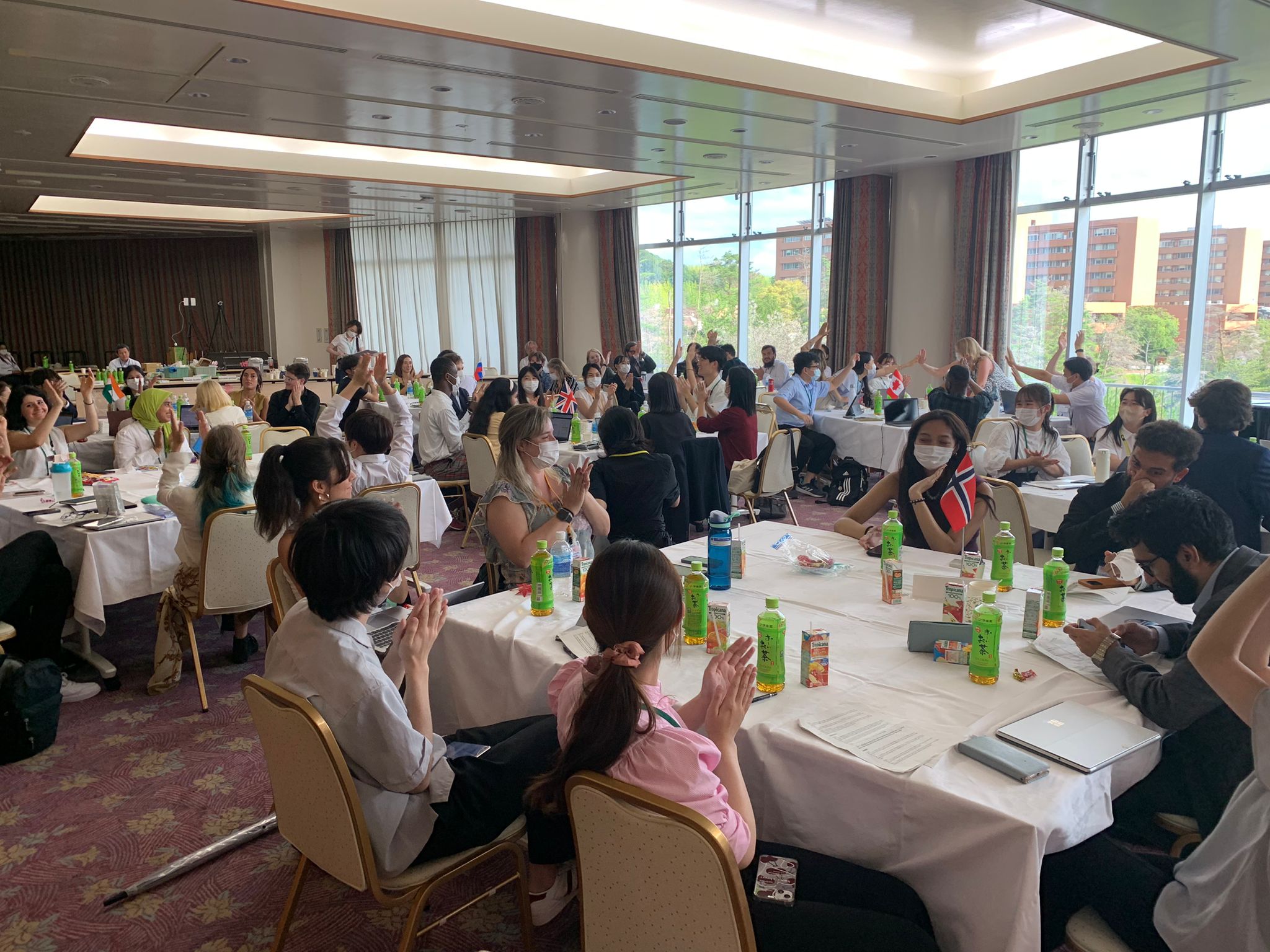
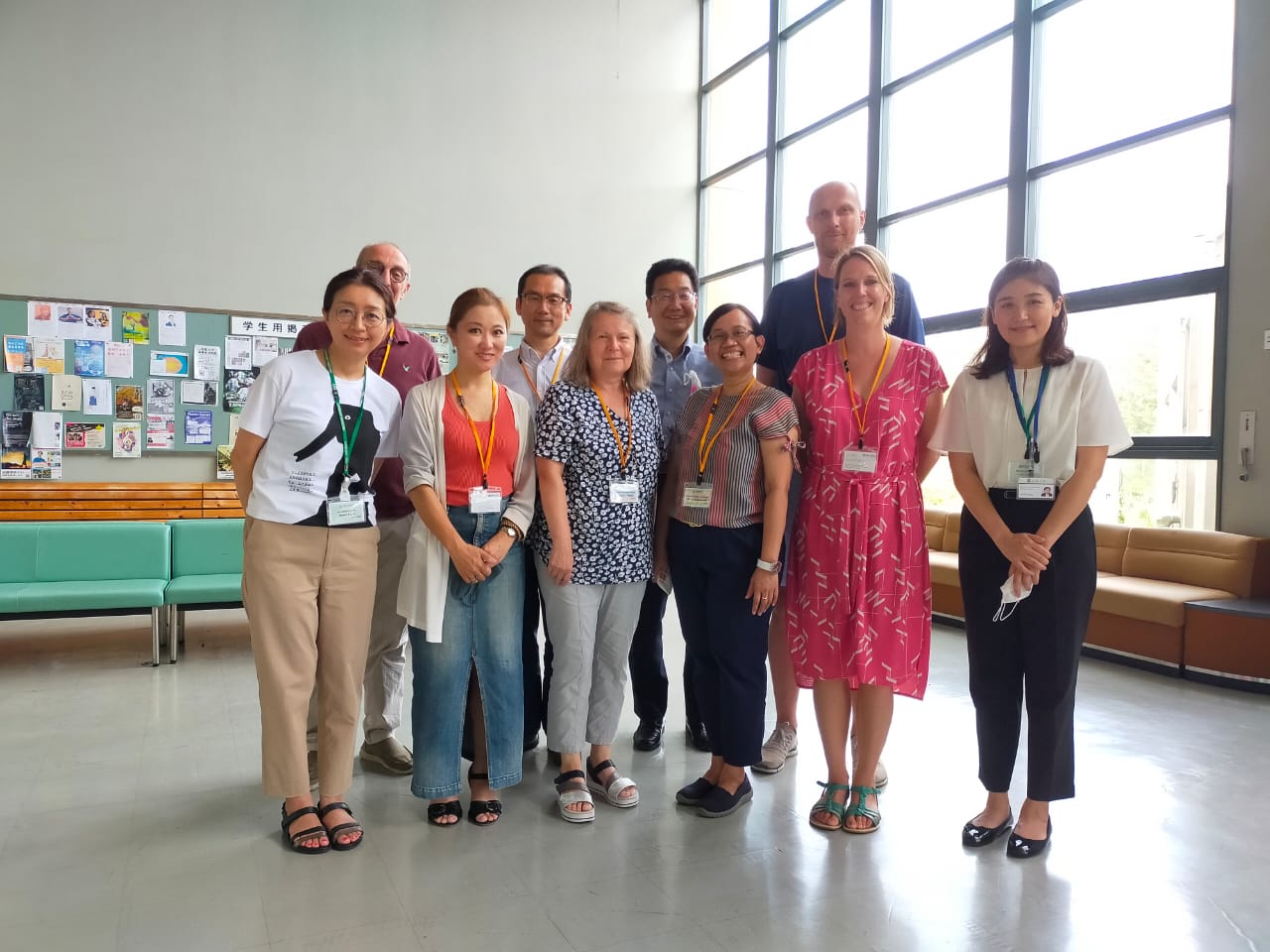
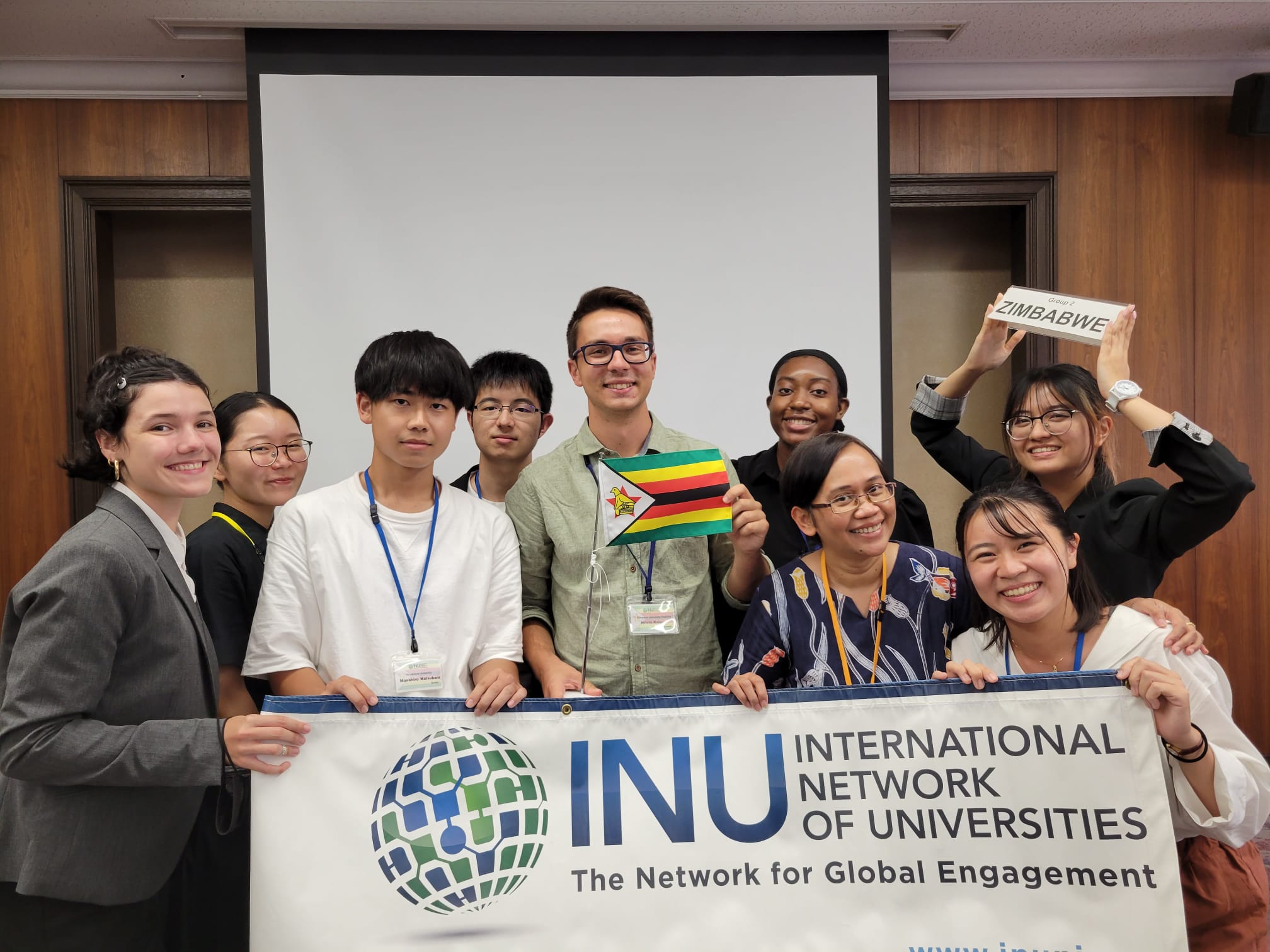
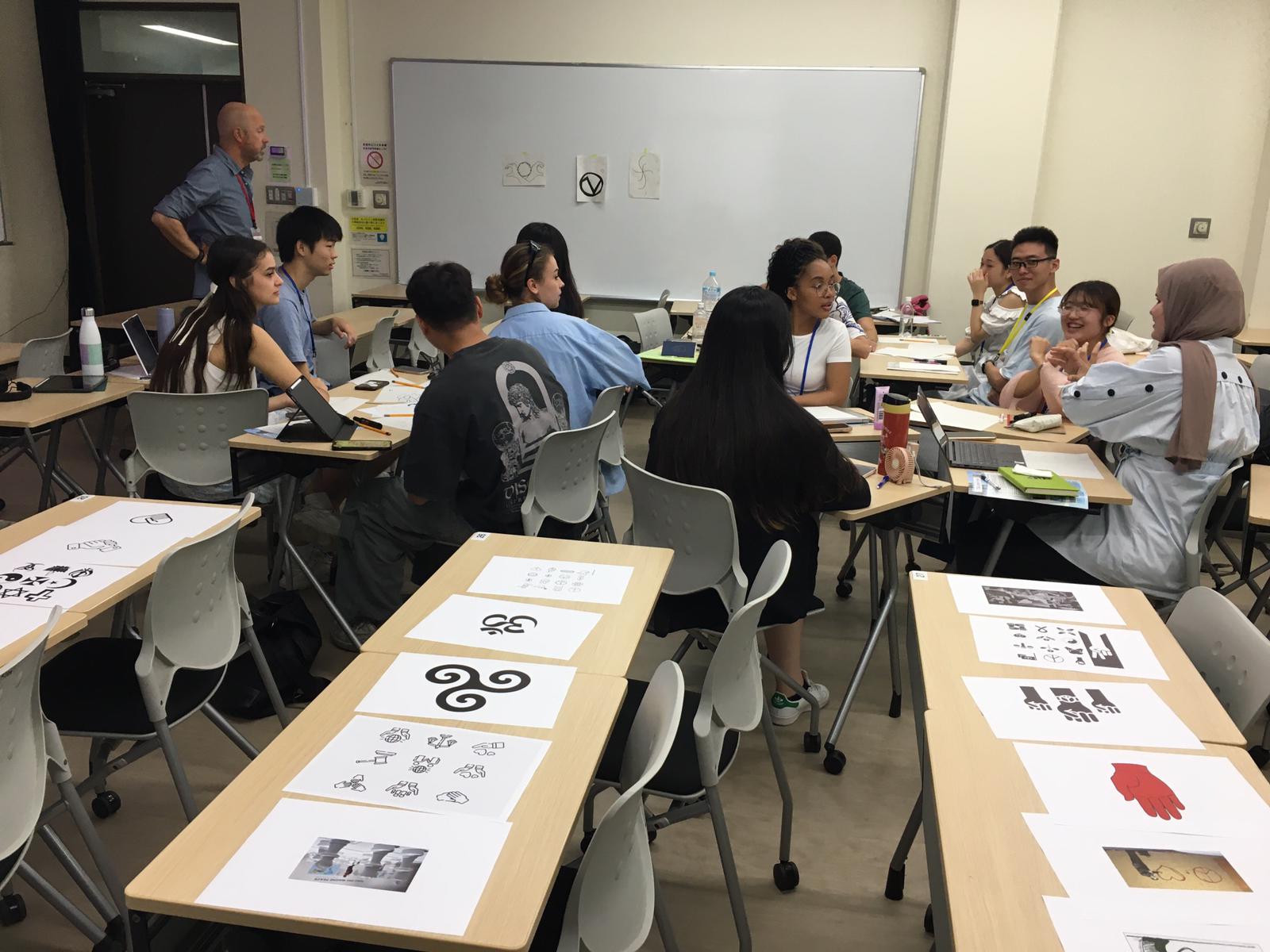
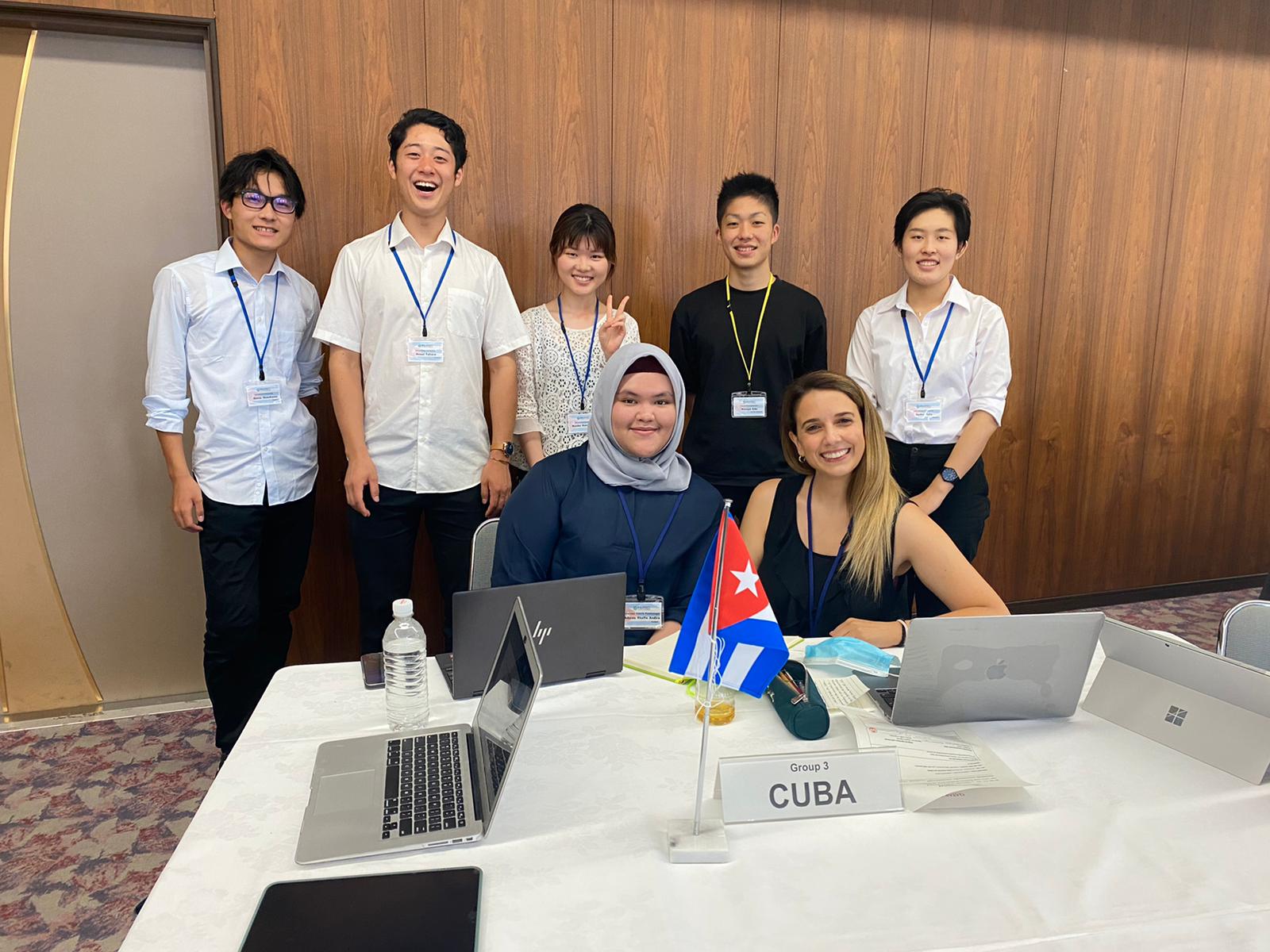
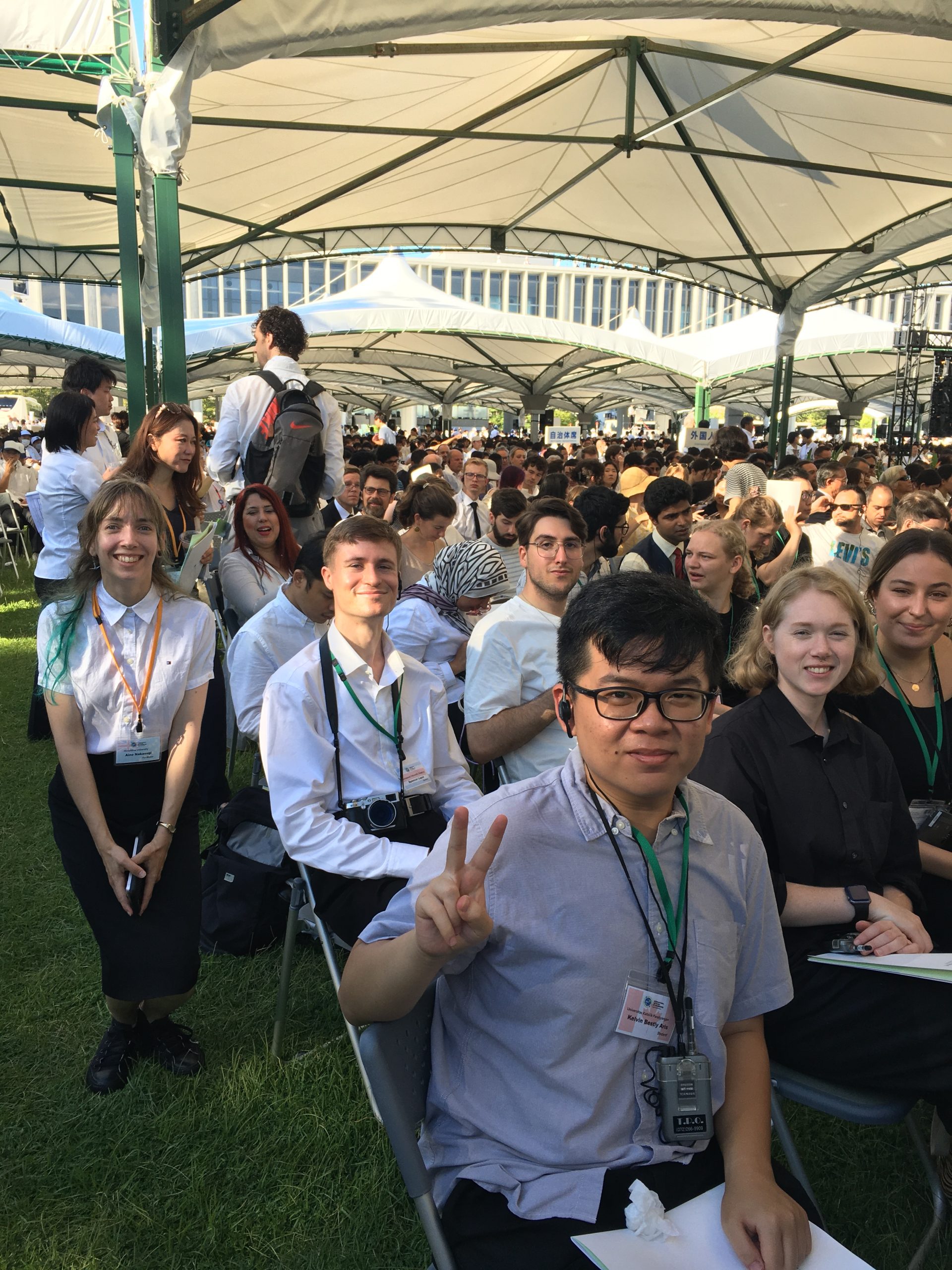
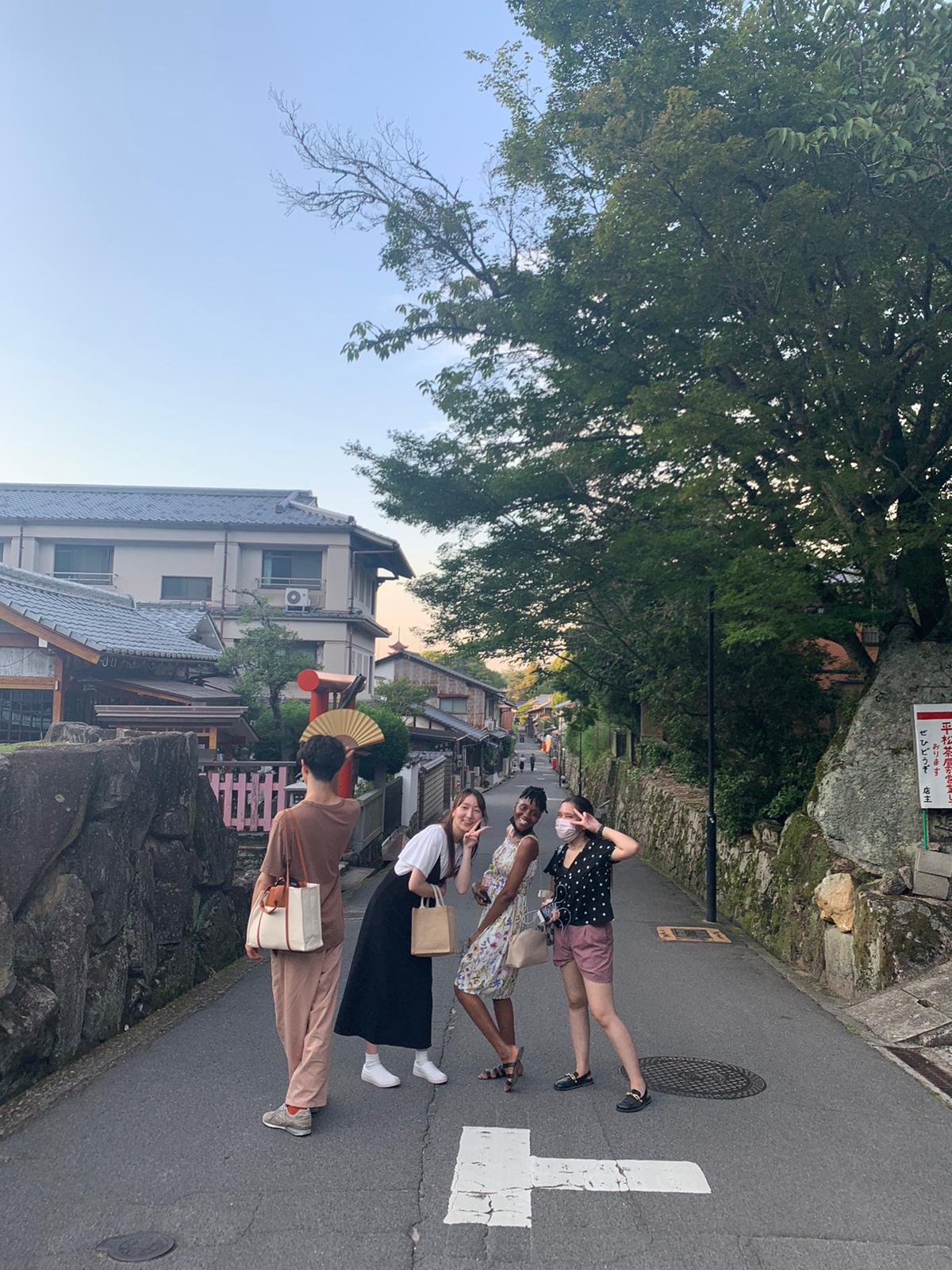
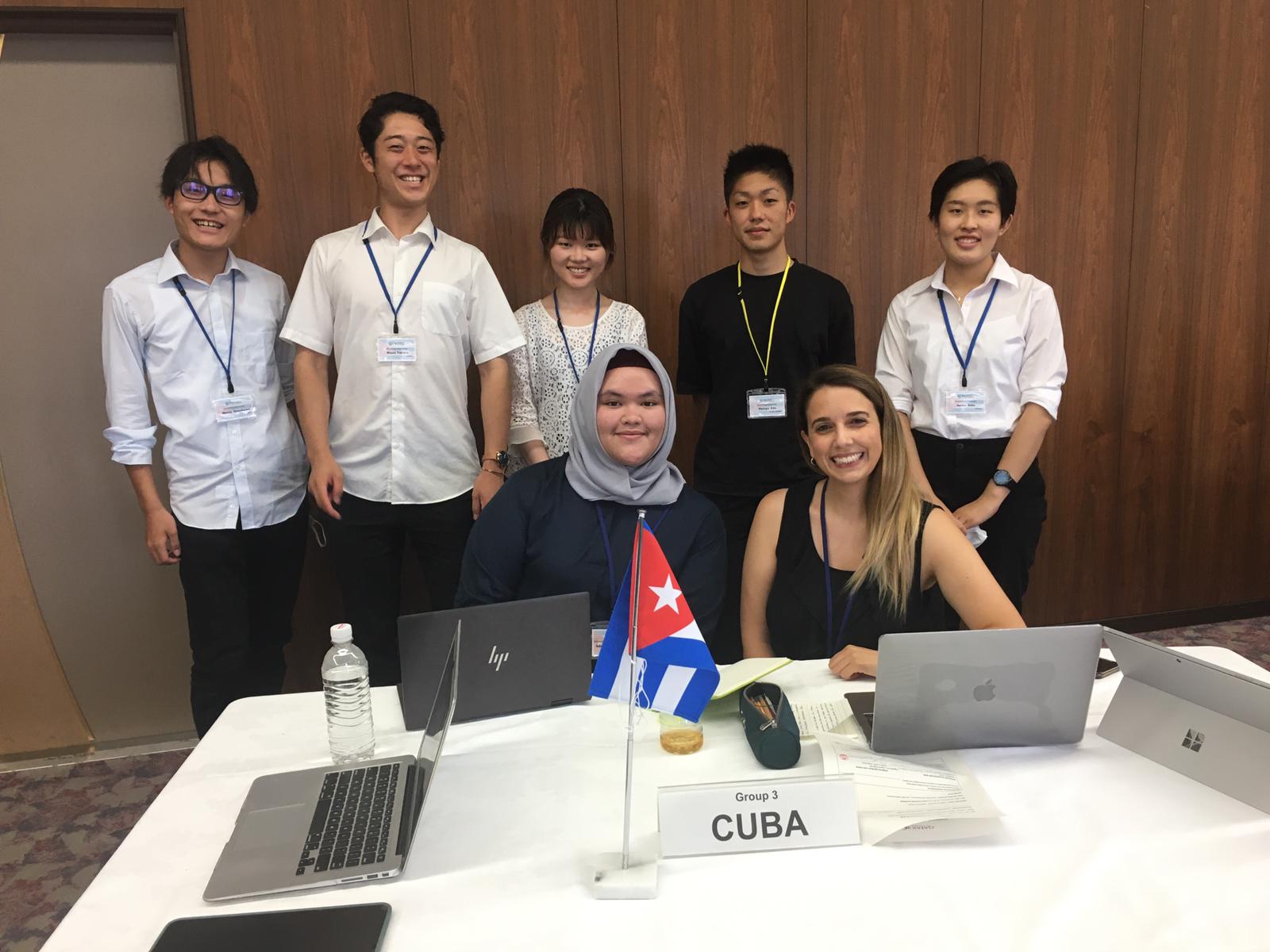
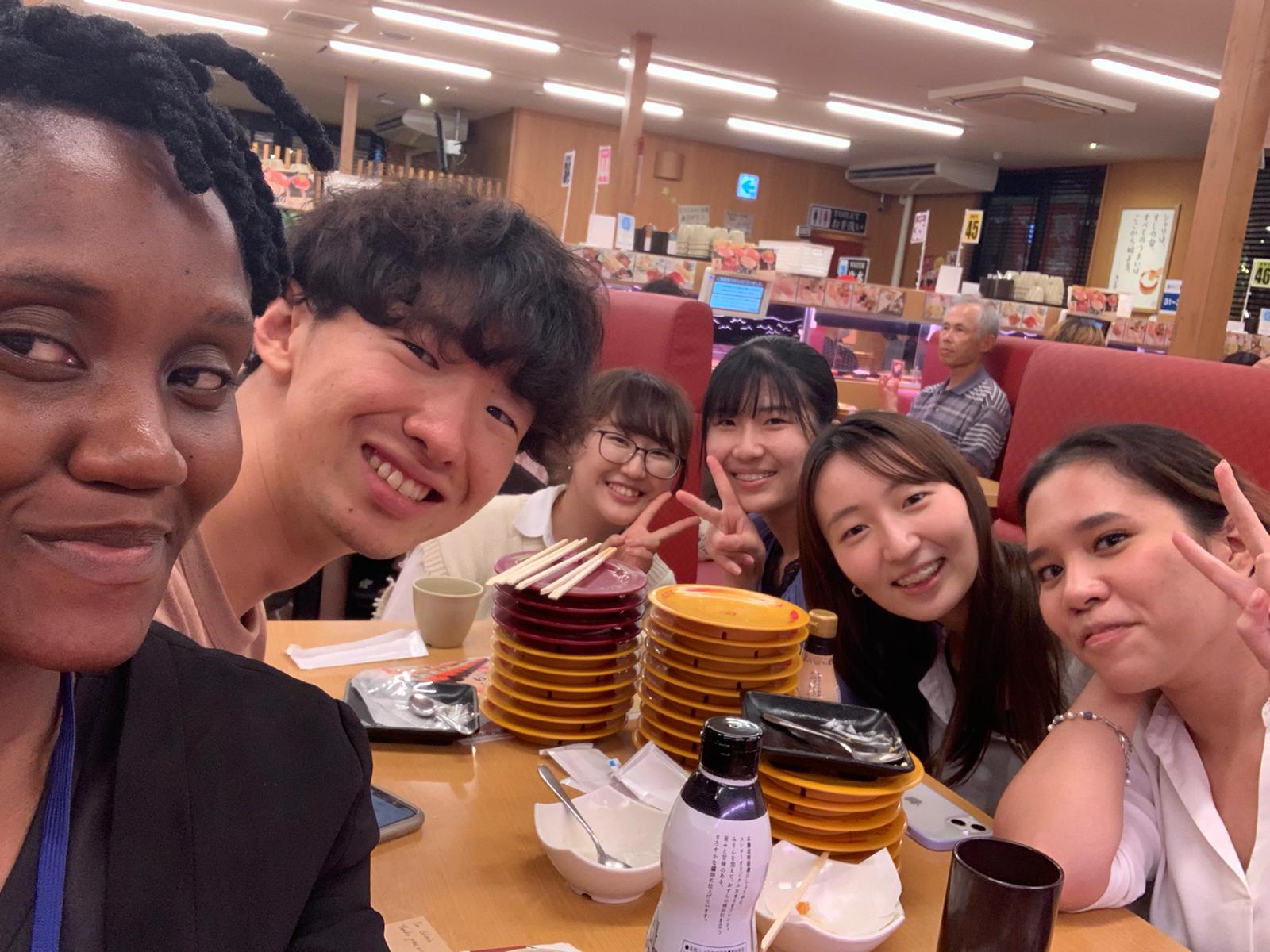
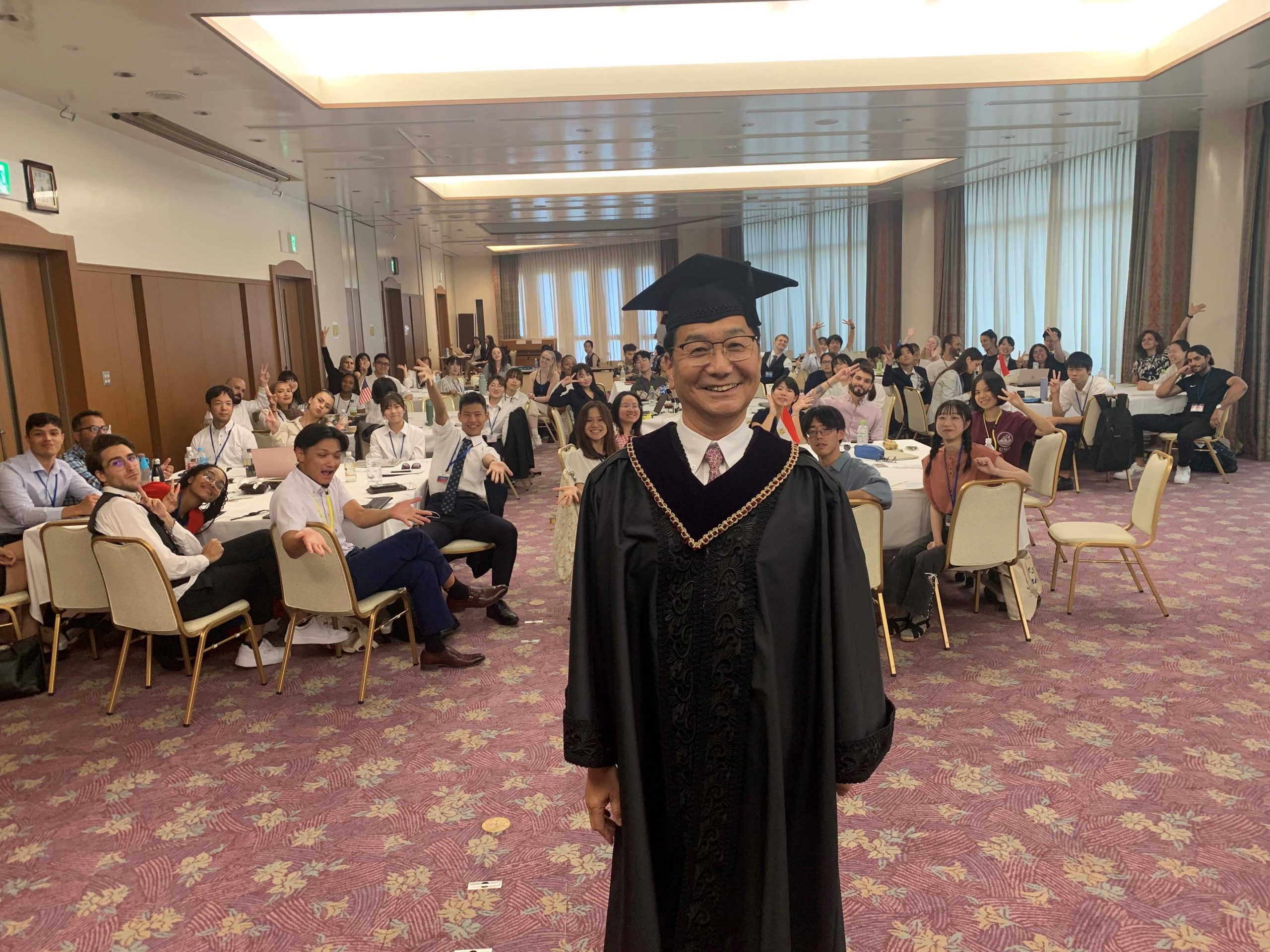
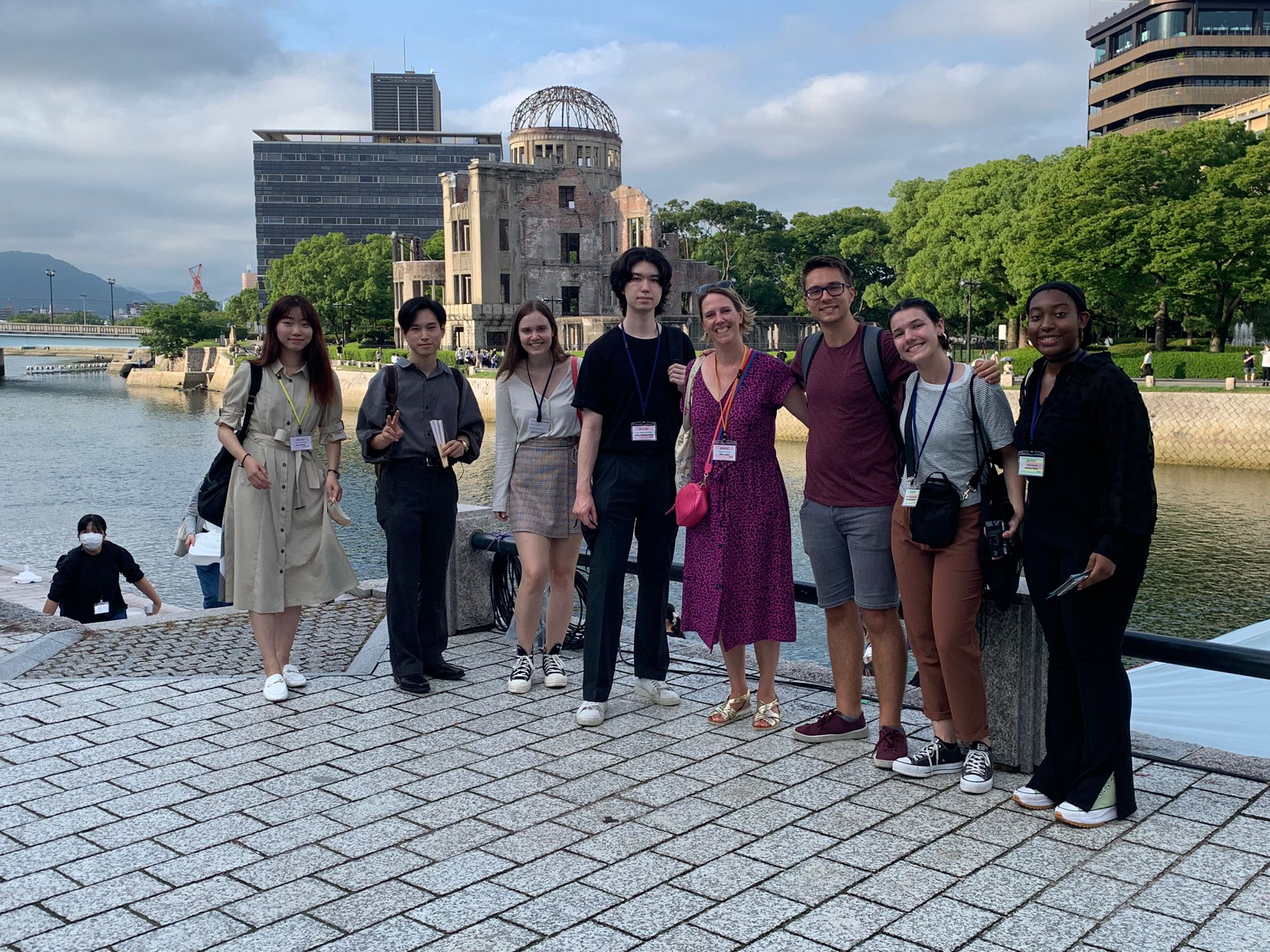
The INU Student Seminar features:
- Lectures and workshops with academic experts and guest speakers from around the world;
- Interactive seminars that encourage stimulating discussion and learning;
- A role-play of a special session of the United Nations General Assembly;
- A truly international student body
Highlights
“This was my first UN Role Play experience, and it gave me a greater understanding of gobal issues, especially when focusing on food and water insecurity”
“An incredible experience to have been able to share, learn and exchange with fellow students and teachers from all over the world and with different background”