Student Seminar for Global Citizenship and Peace
International Student Seminar for Global Citizenship & Peace 2027
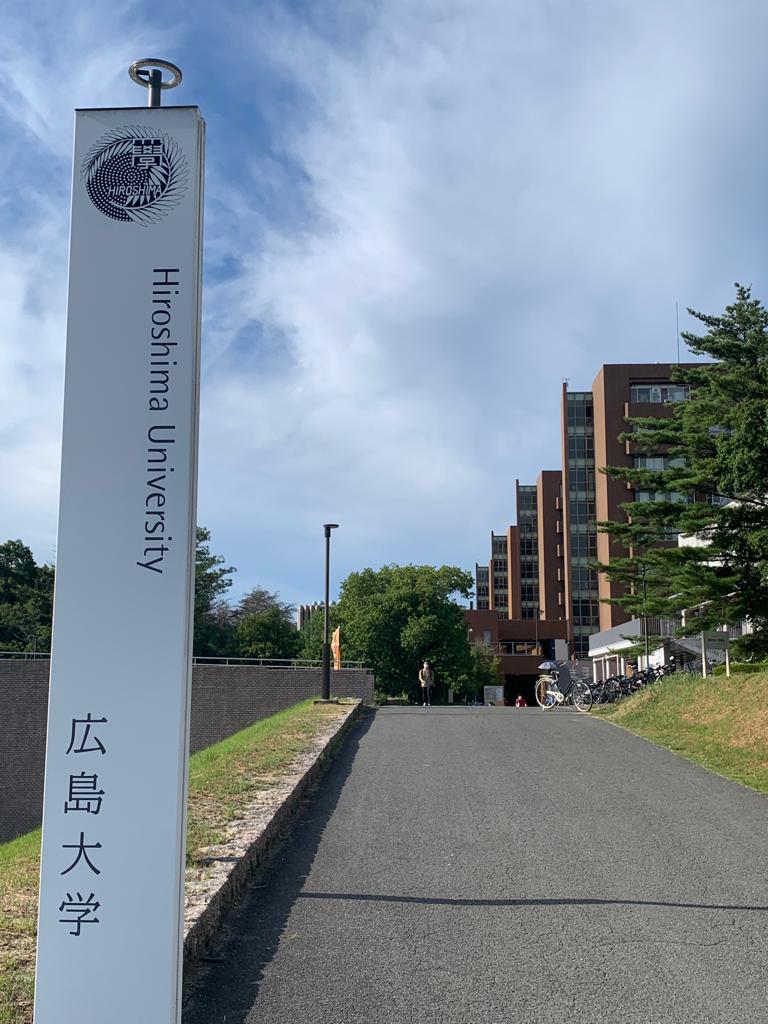
4 -12 August 2027, hosted by Hiroshima University
Program Overview
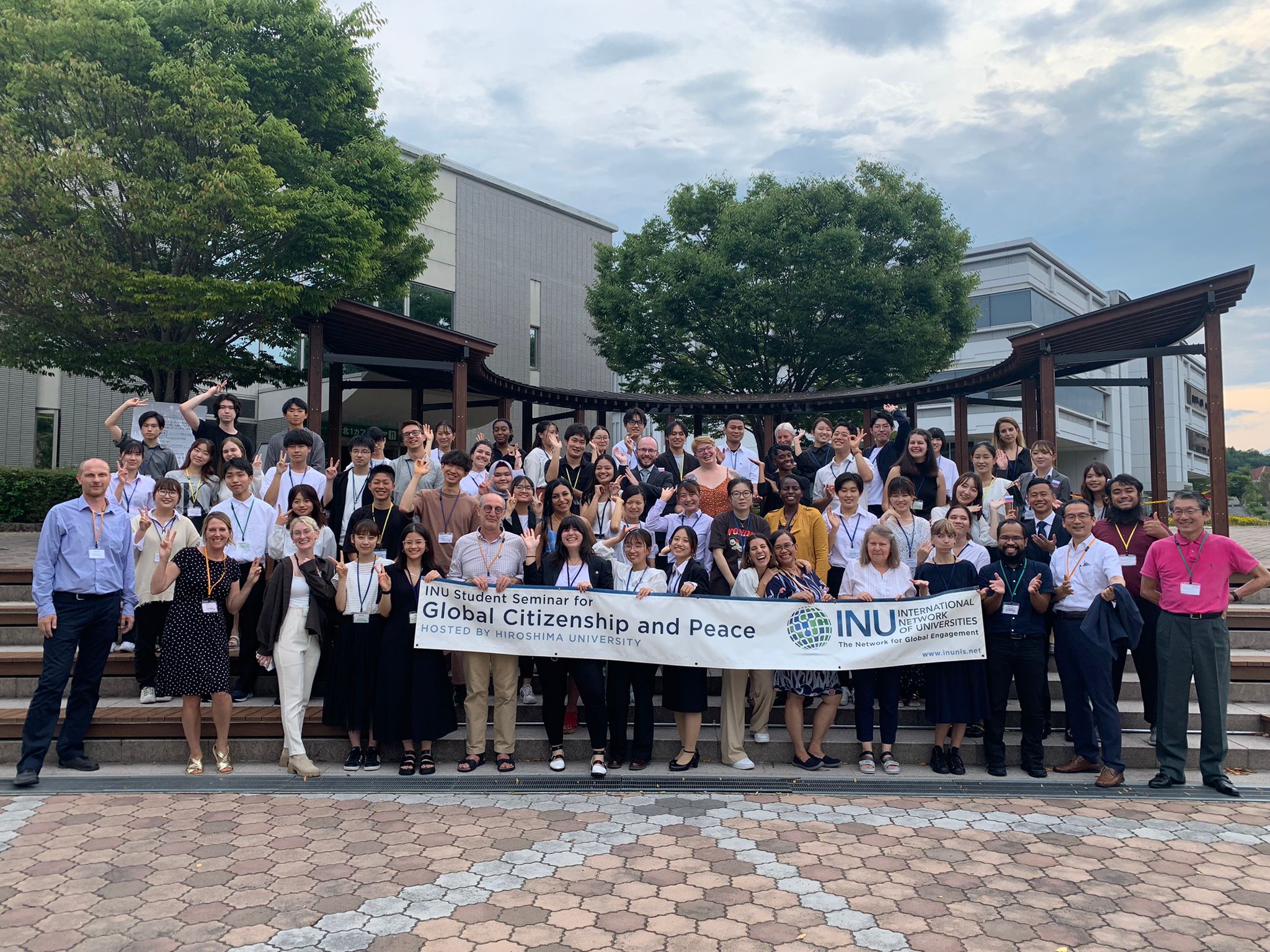
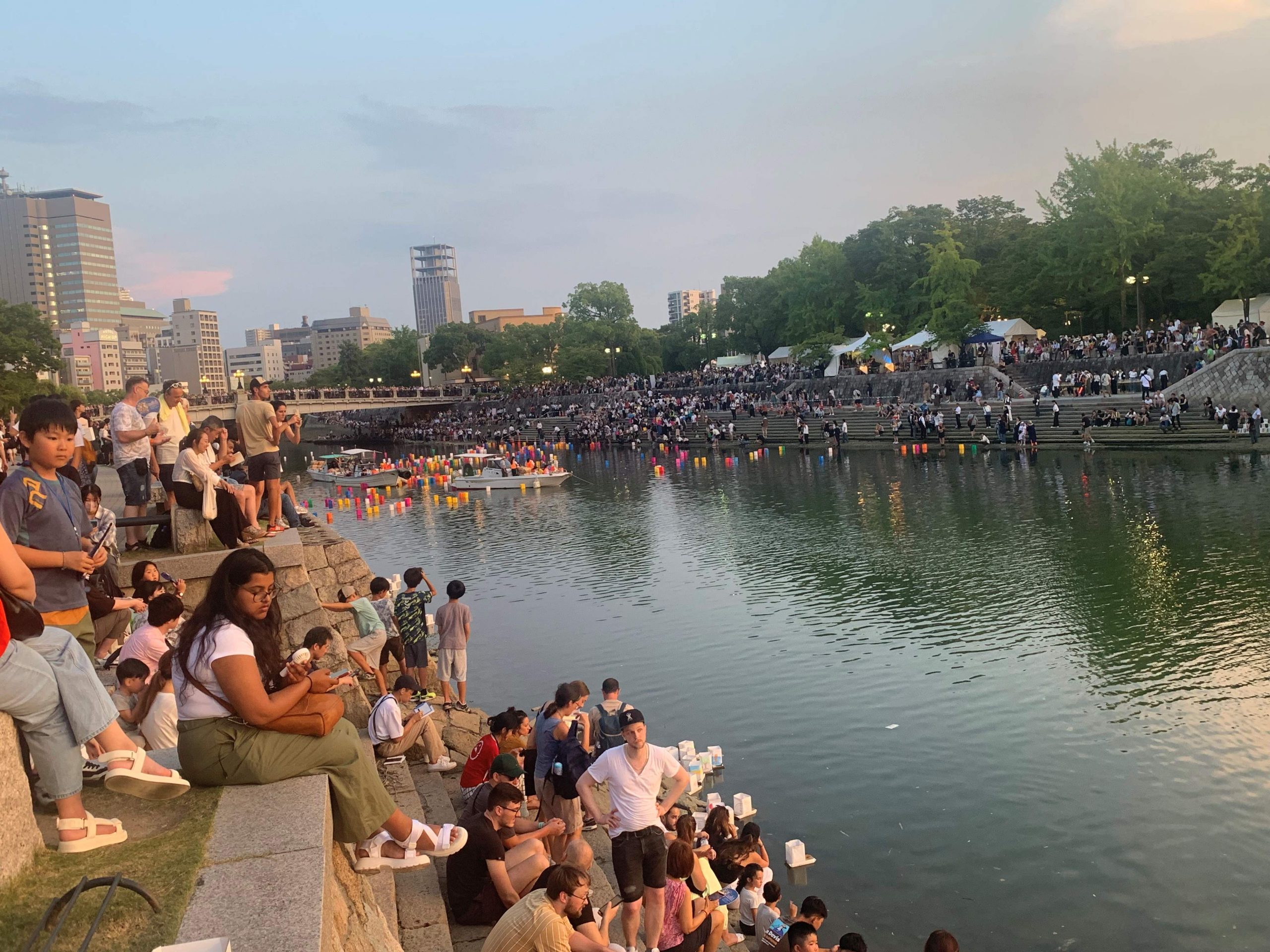
The International Student Seminar for Global Citizenship and Peace is a unique immersive program which is hosted by Hiroshima University in Japan. Since 2006, the seminar has welcomed students from around the world from INU member universities and is structured around the August 6 commemoration of the atomic bombing of Hiroshima.
The seminar prepares an international group of approximately 60 students to live and learn as engaged global citizens. The Student Seminar provides students with a working knowledge of global citizenship and peace with a focus on cross-disciplinary problem solving of real-world political, economic, social, and cultural problems. Workshops are delivered by Faculty from across INU member universities, with expertise across a range of disciplines relating to the theme.
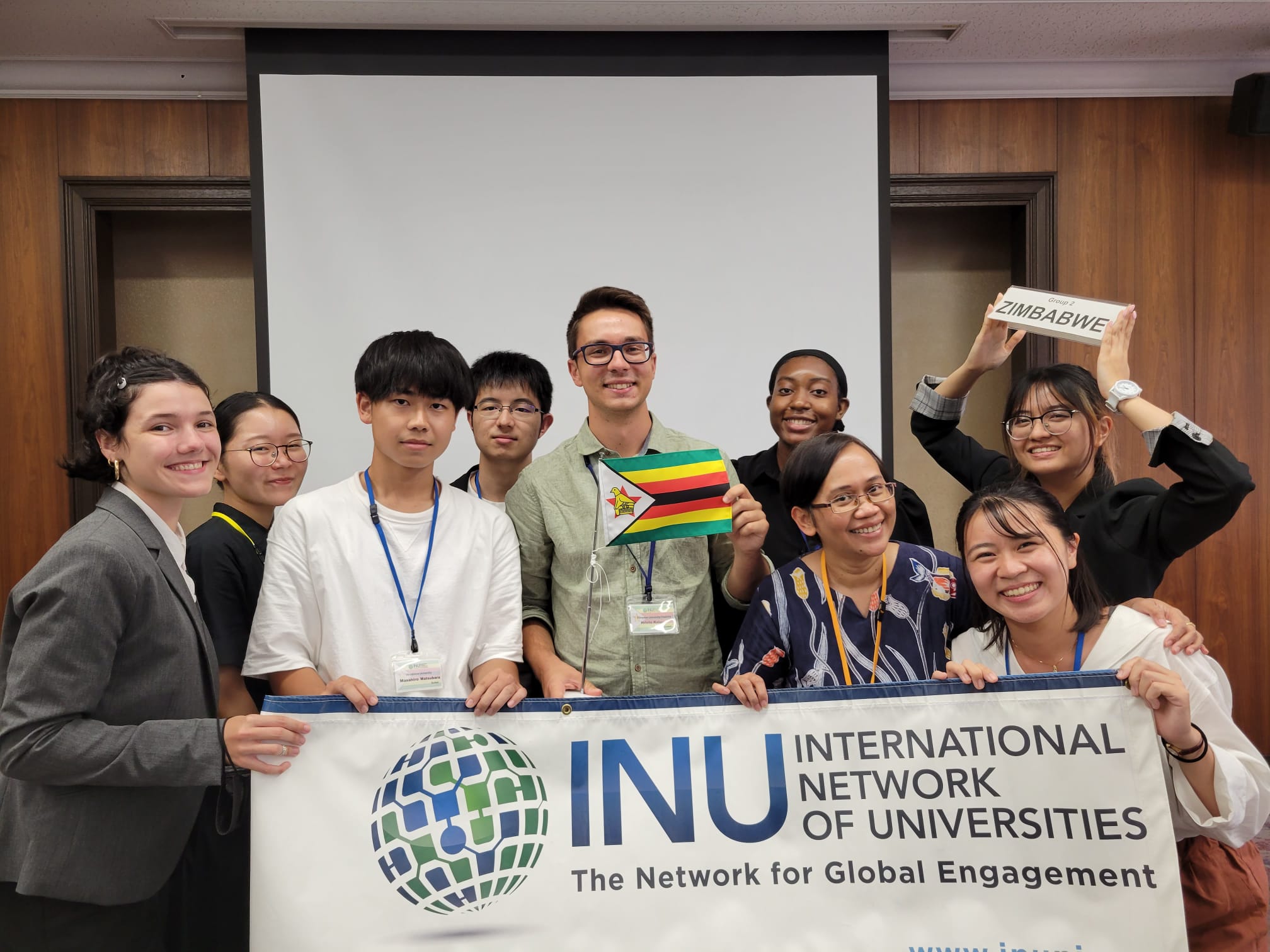
The 9-day program includes lectures, case studies and small group discussions. The program also offers field trips to local attractions and cultural learning experiences, and culminates in a United Nations role play where groups of students represent different countries, and negotiate to pass a draft resolution.
The theme of the seminar
Each year, the INU Student Seminar addresses a different theme. In 2027, the theme of the seminar is on ‘Disaster Management’.
Seminar theme 2027: Disaster Management
The UN 2026 Sustainable Development Goals Report stated that, over the last few decades, direct disaster-related economic losses exacerbated by climate change have reached more than US$110 billion per year, and the number of people affected by disasters has doubled, reaching approximately 123 million people annually. Furthermore, when further impacts are included, the estimate significantly jumped, with the annual cost exceeding US$2.3 trillion (UN Statistics, 2026).
The impact is even more devastating for Least Developed Countries (LDCs). LDCs have experienced nearly 70% of deaths from climate-related disasters over the last 50 years (WMO, 2020). UN Office for Disaster Risk Reduction highlights that disasters impact the economies of the poorest countries 10 times worse than the economies of the richest countries, as a share of their GDP (UNDRR, 2022). Similarly, the World Meteorological Organisation reported that between 1970 and 2021, weather, climate, and water-related disasters caused more than 2 million deaths and approximately US$4.3 trillion in economic losses, with more than 90% of reported deaths occurring in developing countries (WMO, 2023)
Despite this age of technological advancement, our technology solutions remain limited. Although the number of countries reporting multi-hazard early-warning systems almost tripled in recent decades (from 55 in 2015 to 128 in 2026), 62 countries assessed their systems as limited to moderate in effectiveness, indicating ongoing gaps in coverage and accessibility (UNDRR, 2026).
This makes disaster management crucial to global resilience. It is not merely an emergency-response issue, but one that requires a multidisciplinary perspective. It involves political, economic, social, and technological solutions, as repeated disasters can reduce incomes, increase debt, damage infrastructure, and undermine long-term development.
Countries facing disasters do not have identical levels of emergency-response capacity or adequate financial resources to handle disasters. Moreover, disasters frequently exceed the capacity of a single institution or country, requiring multilateral coordination.
This year’s seminar addresses disaster management from four main perspectives: political, economic, social, and technological. It aims to build the knowledge and experience necessary to understand the issues surrounding disaster management.
To achieve this, the seminar is divided into three main activities. The first consists of workshops designed to equip students with multidisciplinary perspectives on disaster-related issues. The second is a lecture focusing on how the United Nations, as an international organisation, can address global disaster management challenges. The third is a simulation in which students take on the roles of state representatives and engage in negotiations to develop a global response to disasters.
You can view the full list of past International Student Seminar themes since the seminar first started in 2006 here.
Eligibility
Full-time students who are enrolled at an INU member institution and who are willing to be challenged by an intensive academic and cultural program.
Each INU member universities will invite their students to apply to participate, usually in January-March. Please do contact the International Office / Centre for Global Engagement / Study Abroad Office at your University to express your interest in participating, or contact the INU Coordinator for further information: inu@kingston.ac.uk
Who should apply?
The student seminar is designed for highly motivated students who are interested in:
- Increasing their understanding of political, economic, social and cultural challenges emerging in an increasingly globalized world
- Understanding the notion of global citizenship and considering their potential as global citizens
- Deepening their appreciation of the challenges and payoffs of cross-cultural and international engagement
- Sharing reflections with students, academics, and other seminar participants.
Application and Selection Process
Each INU member institution determines the application and selection process for students at their university. For more information, contact the International Office / Global Engagement Office / Study Abroad Office at your home institution, or contact the INU Coordinator.
Please note: Participants should be aware that photographs and video footage will be taken during the seminar program which will feature seminar participants (students and faculty). This will be used on the INU website and social media to promote INU and our activities, and will also be shared with INU member universities for their website and social media also for the same purpose.
Practical Information
Students and staff will stay in the same hotel, close to the seminar venue at Higashi Hiroshima campus. The hotel is booked for students by Hiroshima University, however the cost of the stay is to be covered by the student/staff themselves.
The program schedule, accommodation information and reading lists will be provided to selected students in advance of the seminar.
To enable full participation in the program, students are asked to arrive in Hiroshima on Tuesday 3rd August 2027 and to depart Hiroshima on Friday 13th August 2027.
Draft Schedule*
| Date | Activity |
| Tuesday 3rd August | Arrive Hiroshima/Check in |
| Wednesday 4th August | Welcome and introductions |
| Thursday 5th August | United Nations Plenary lecture / UN Role Play briefing |
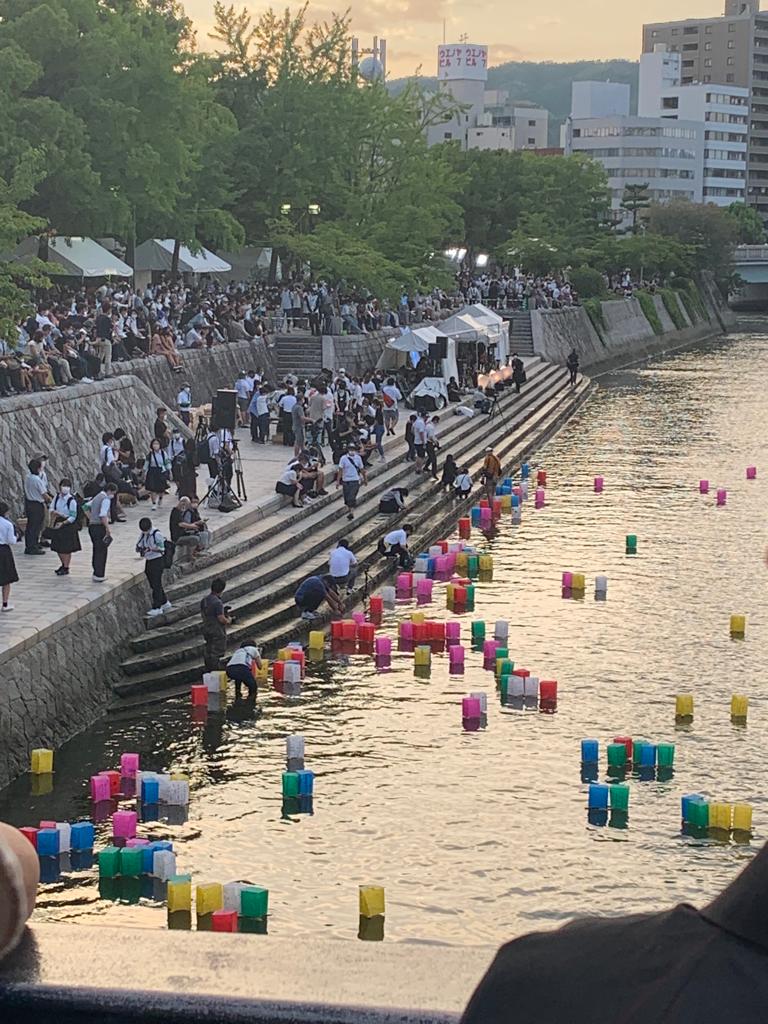
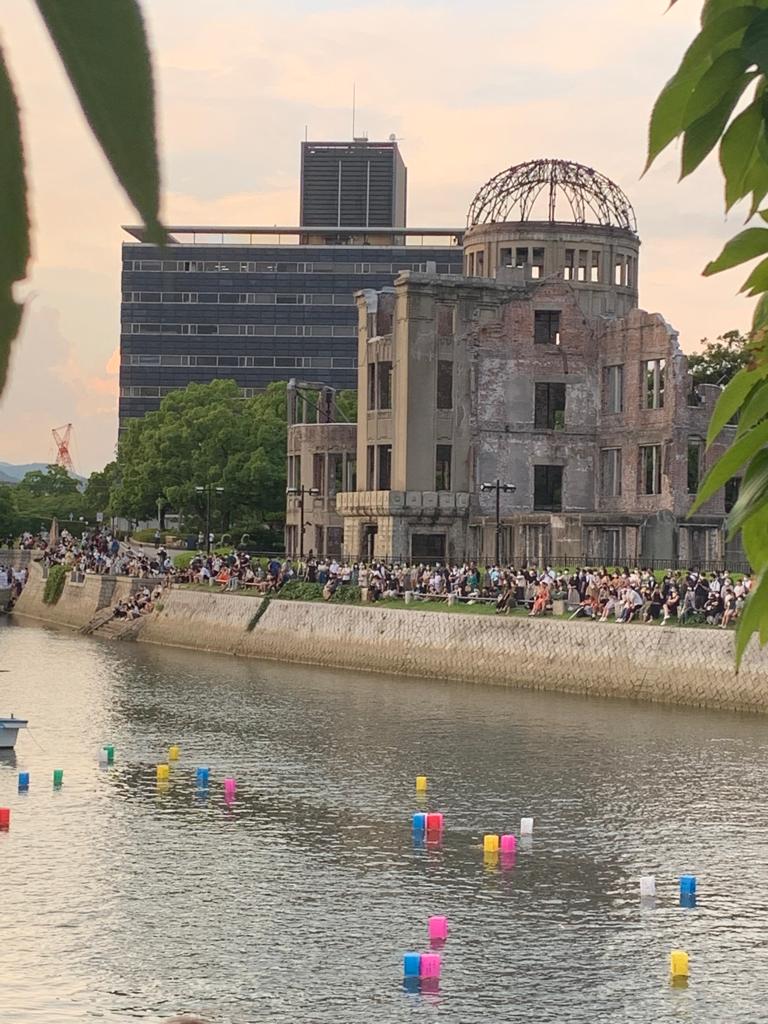
| Friday 6th August | Commemoration of the atomic bombing of Hiroshima / Peace Memorial events |
| Saturday 7th August | Workshops, Group Work, Intercultural learning session |
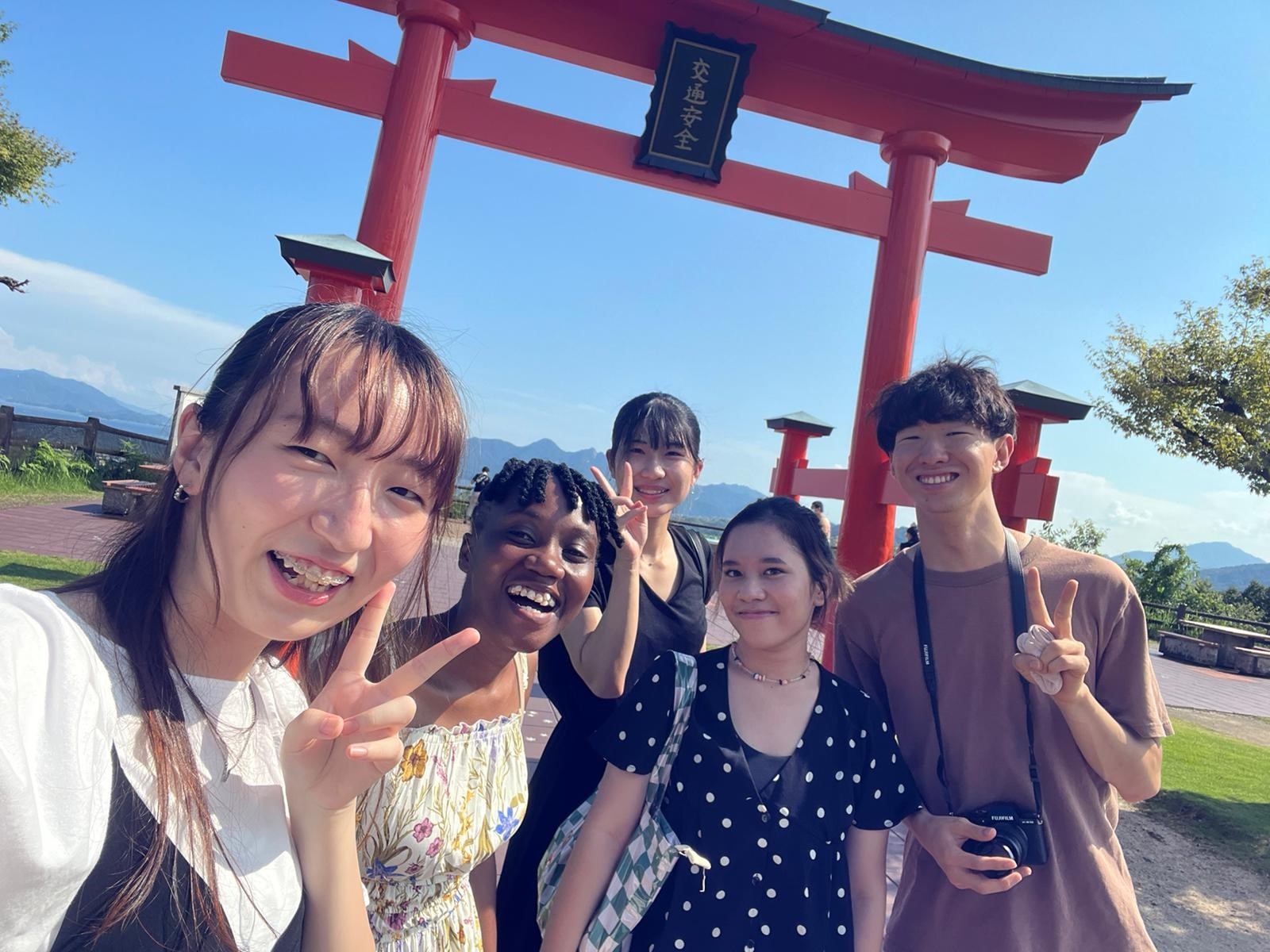
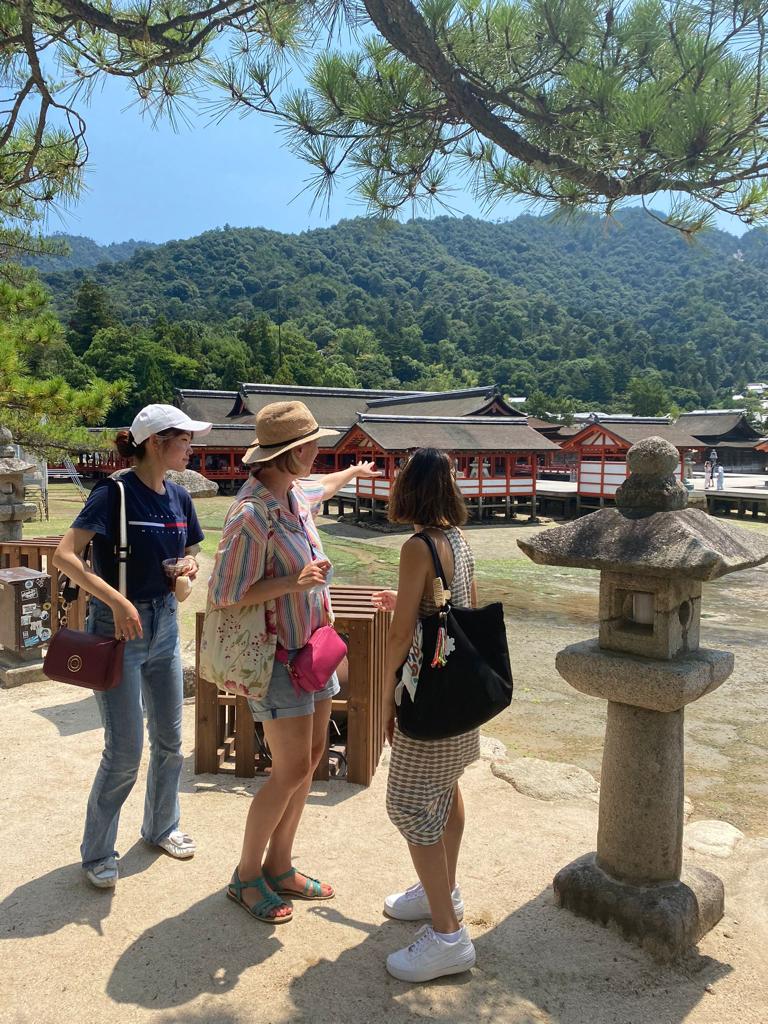
| Sunday 8th August | Visit to Miyajima Island |
| Monday 9th August | Workshops, group work, Japanese culture |
| Tuesday 10th August | Workshops, Group Work, Negotiations |
| Wednesday 11th August | Workshops, Group Work, Negotiations |
| Thursday 12th August | United Nations Role Play |
| Friday 13th August | Return home |
*Please note this schedule is to provide an indication of activities and is subject to change.
Questions?
Please do contact the INU Coordinator: inu@kingston.ac.uk
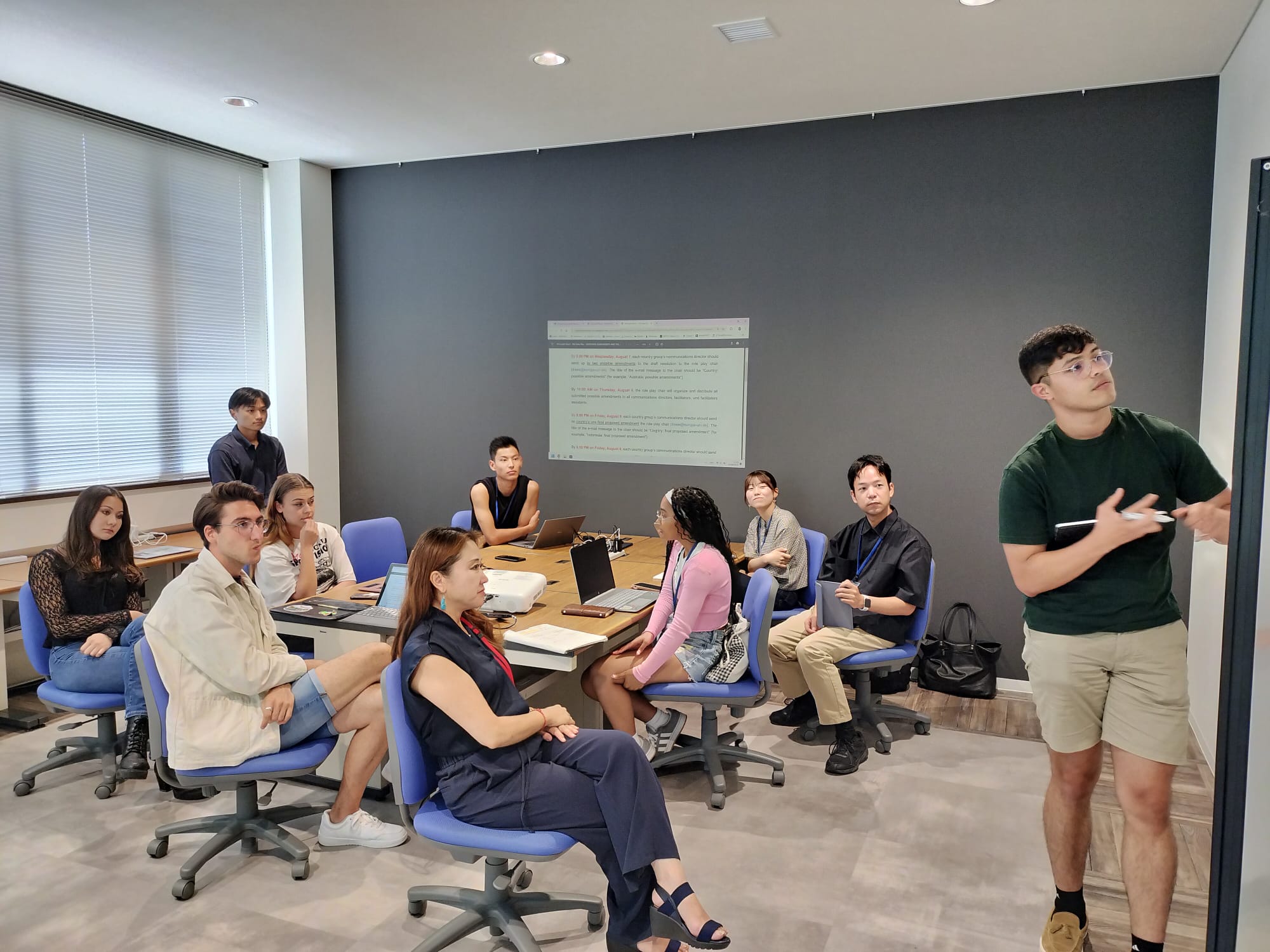
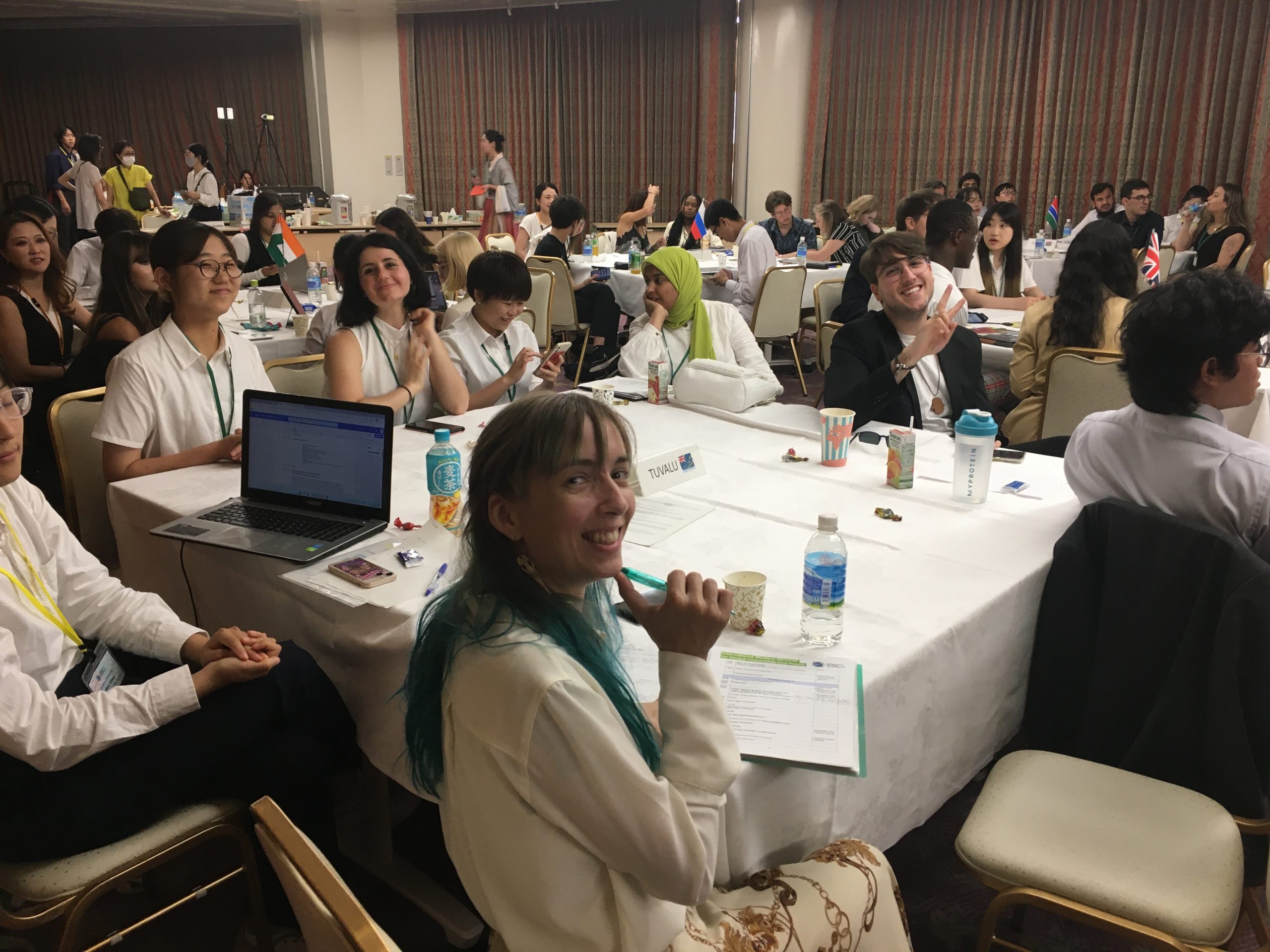
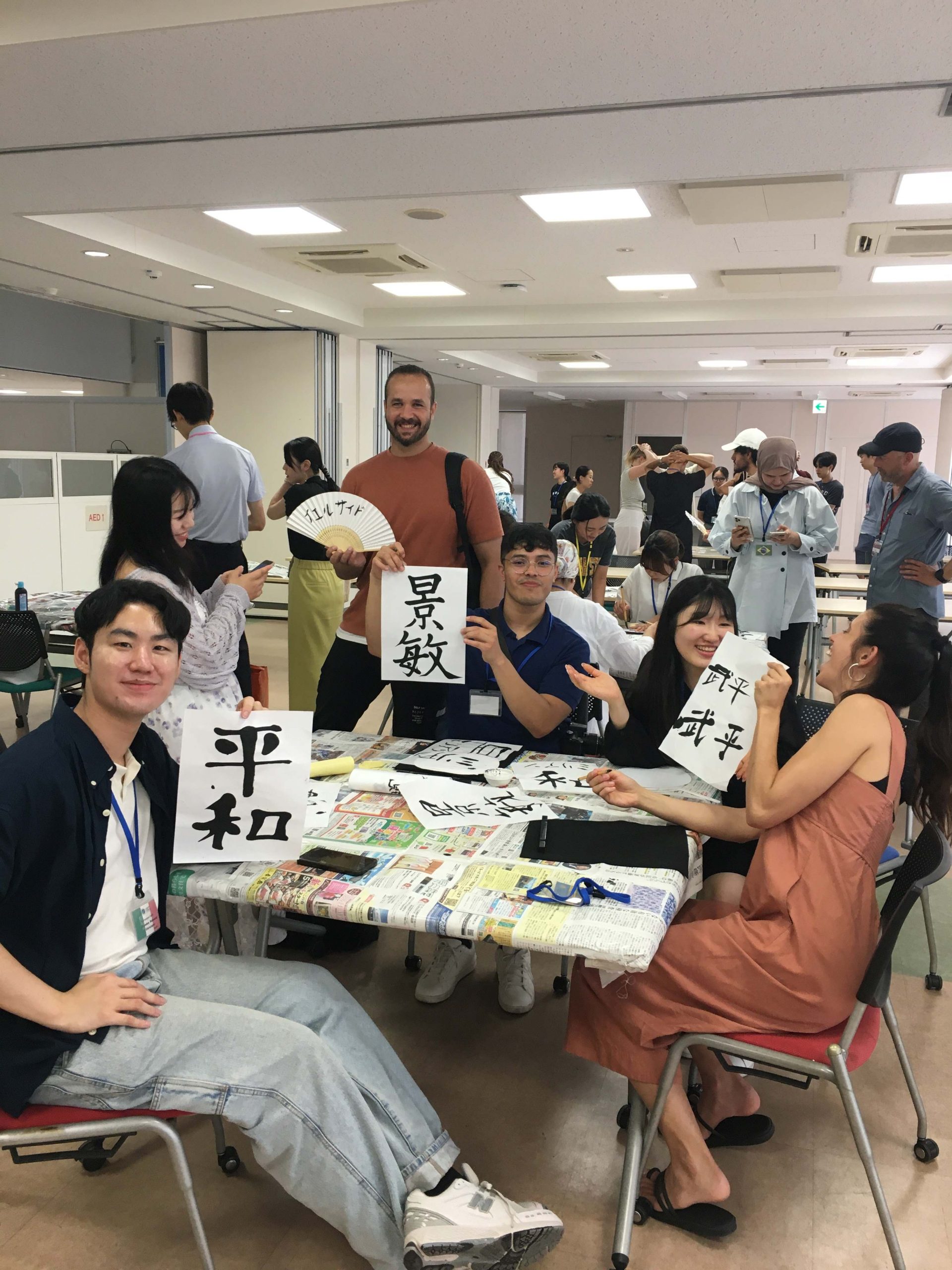
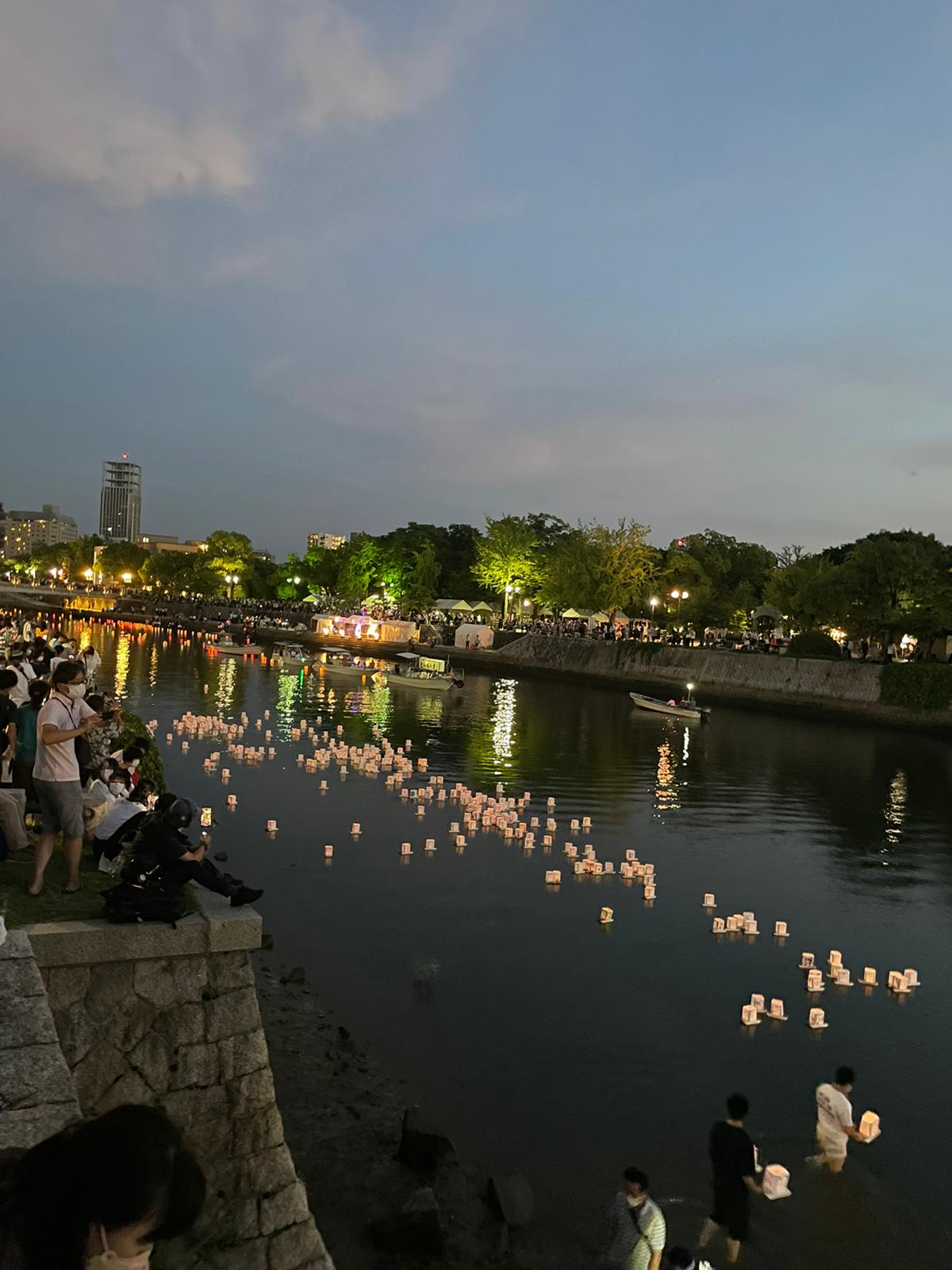
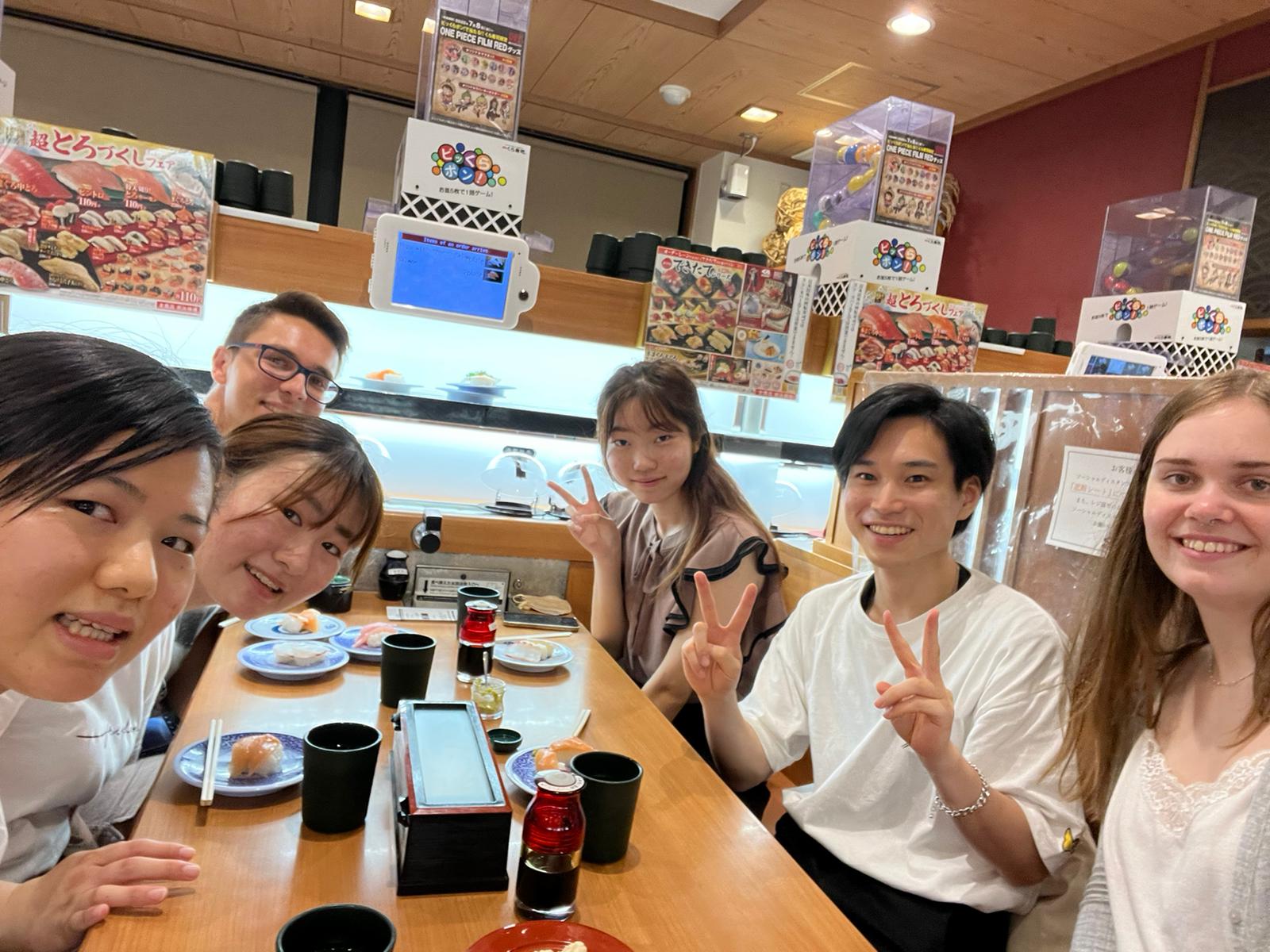
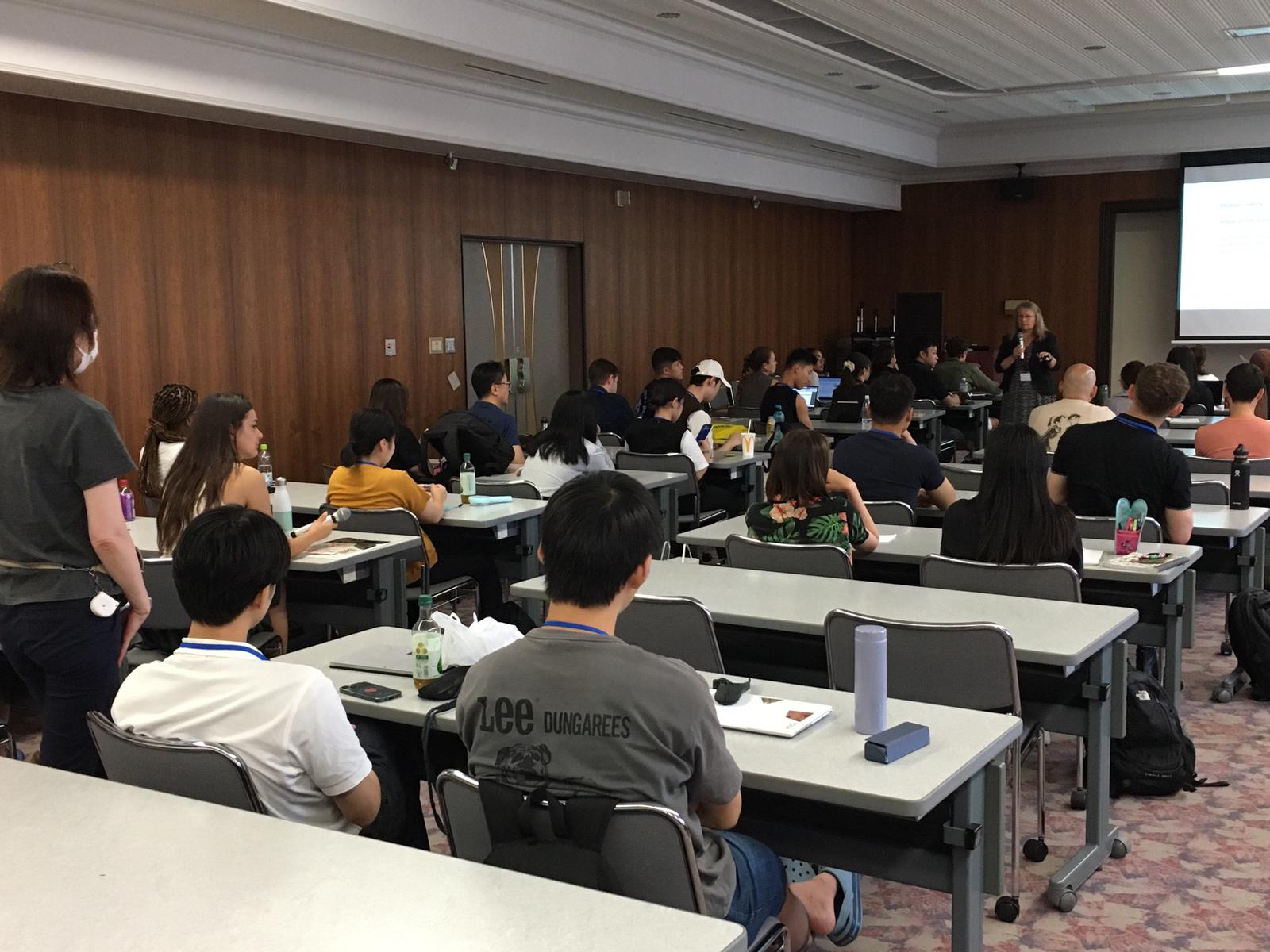
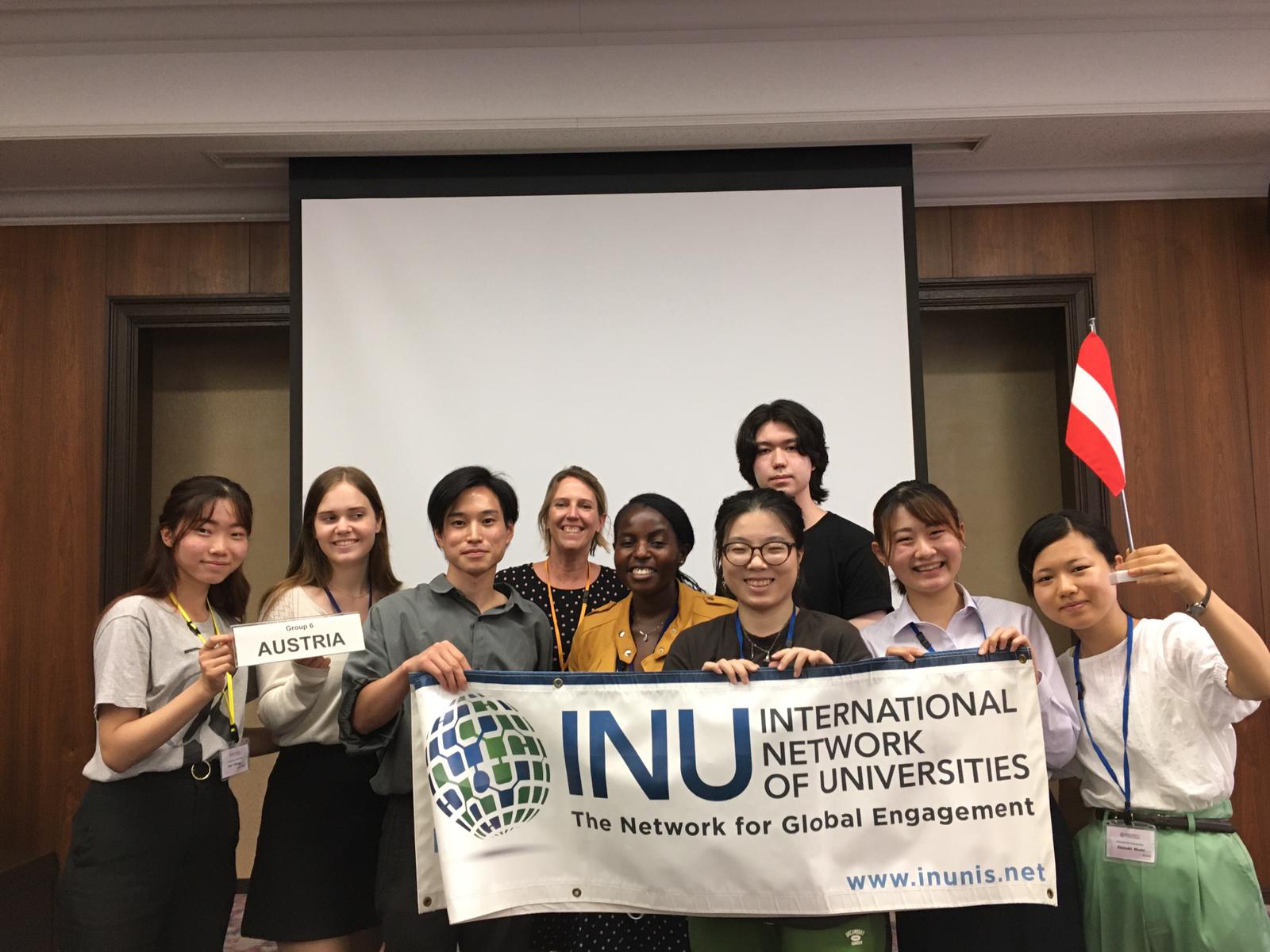
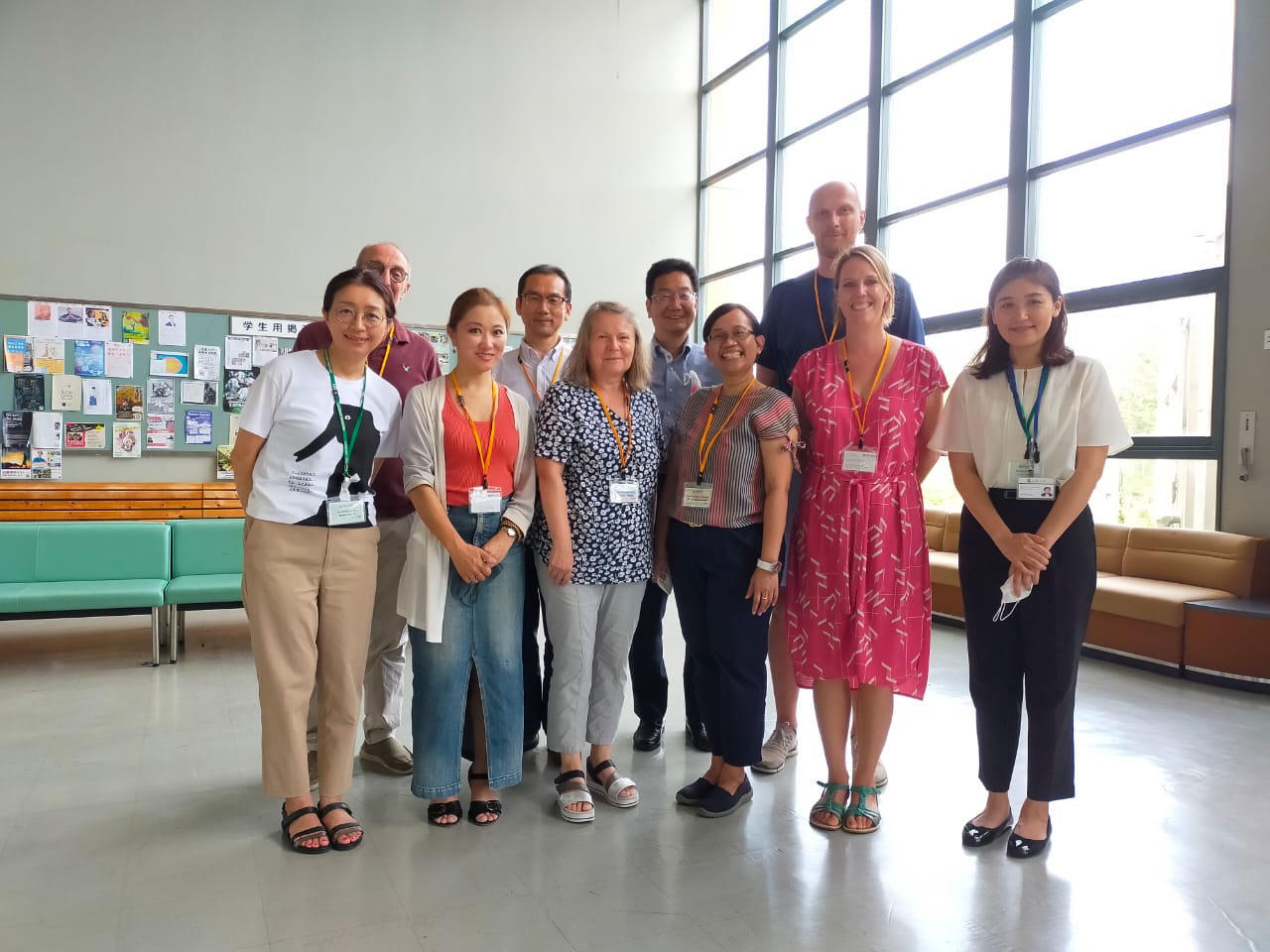
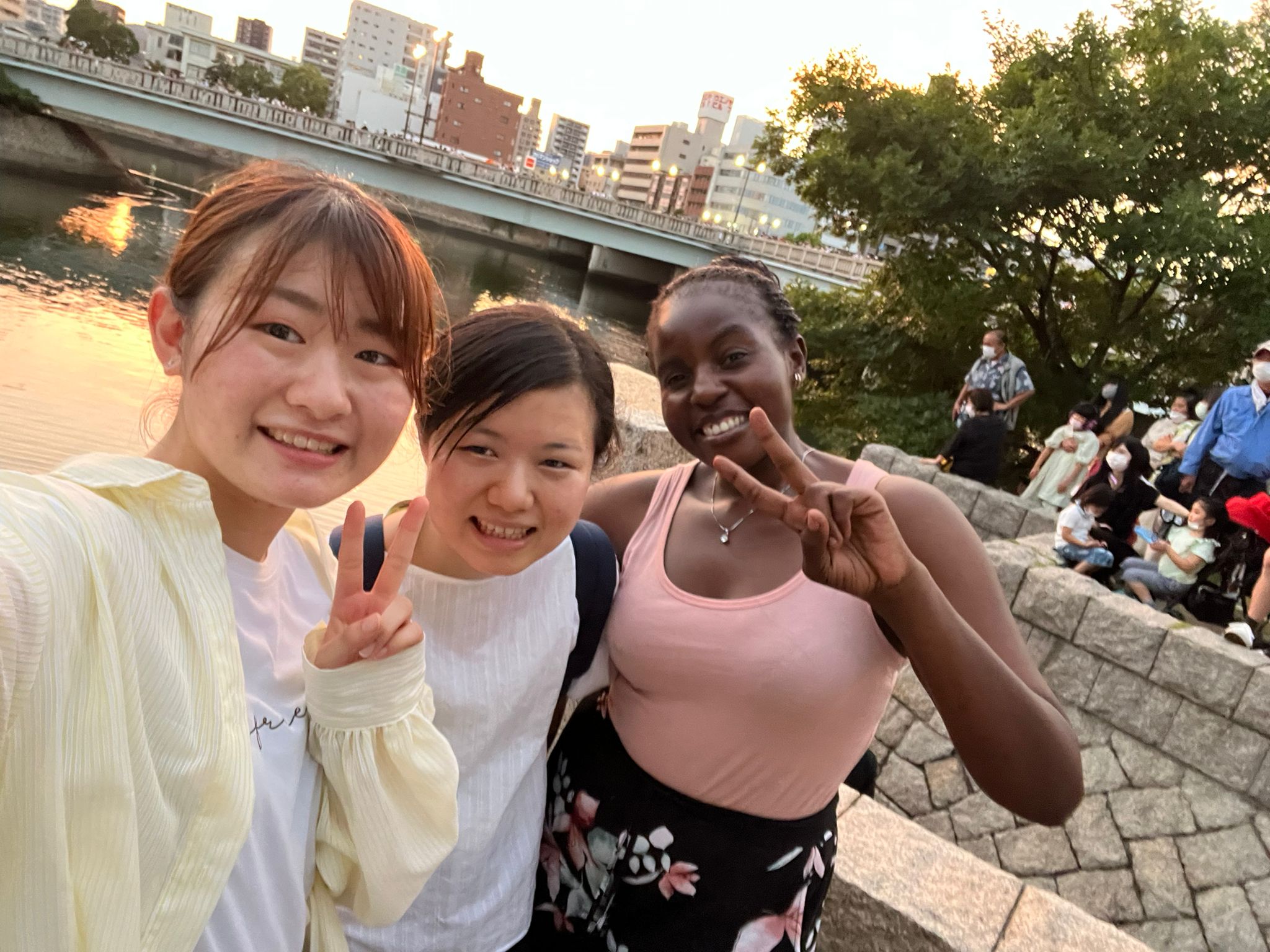
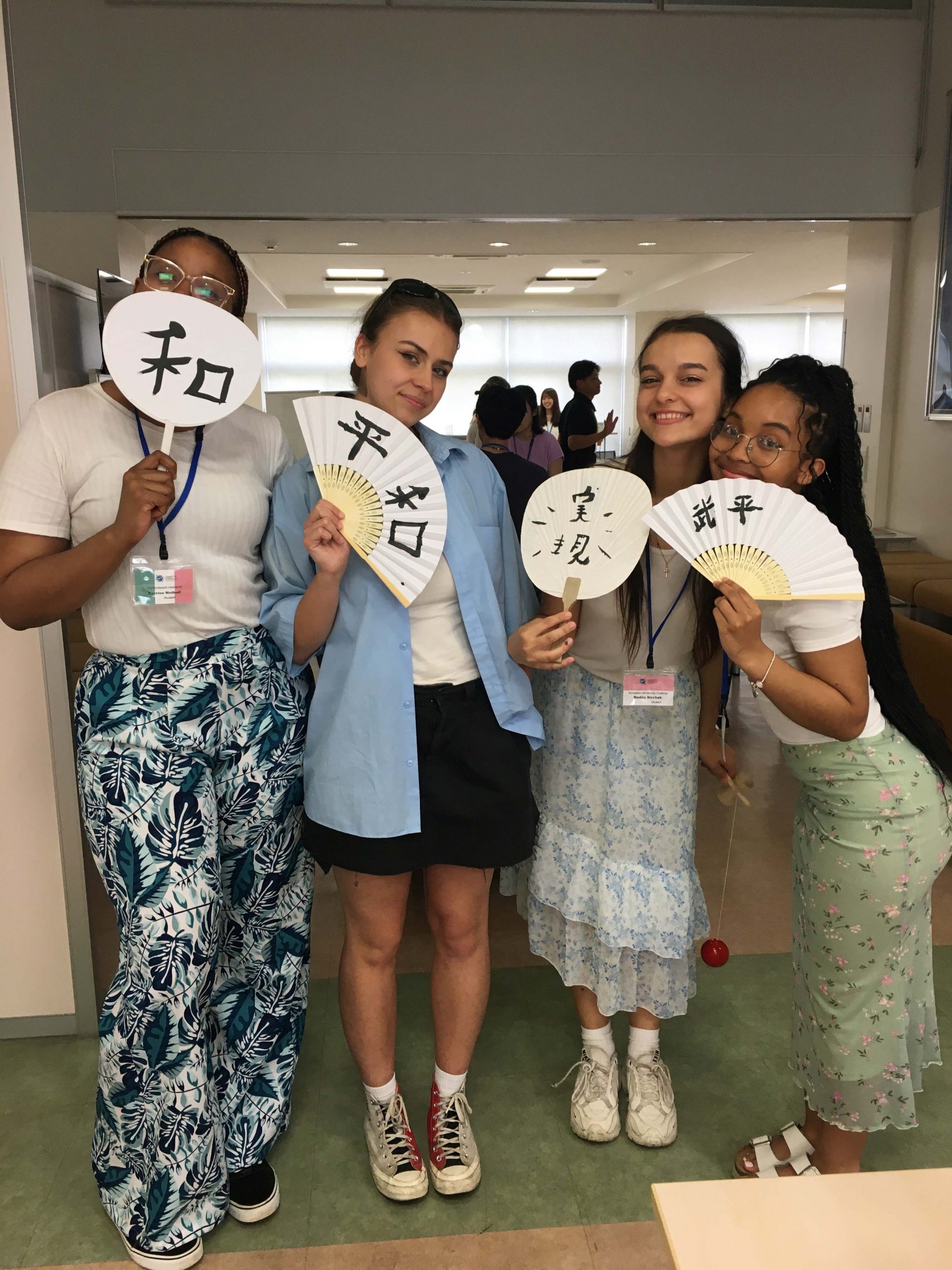
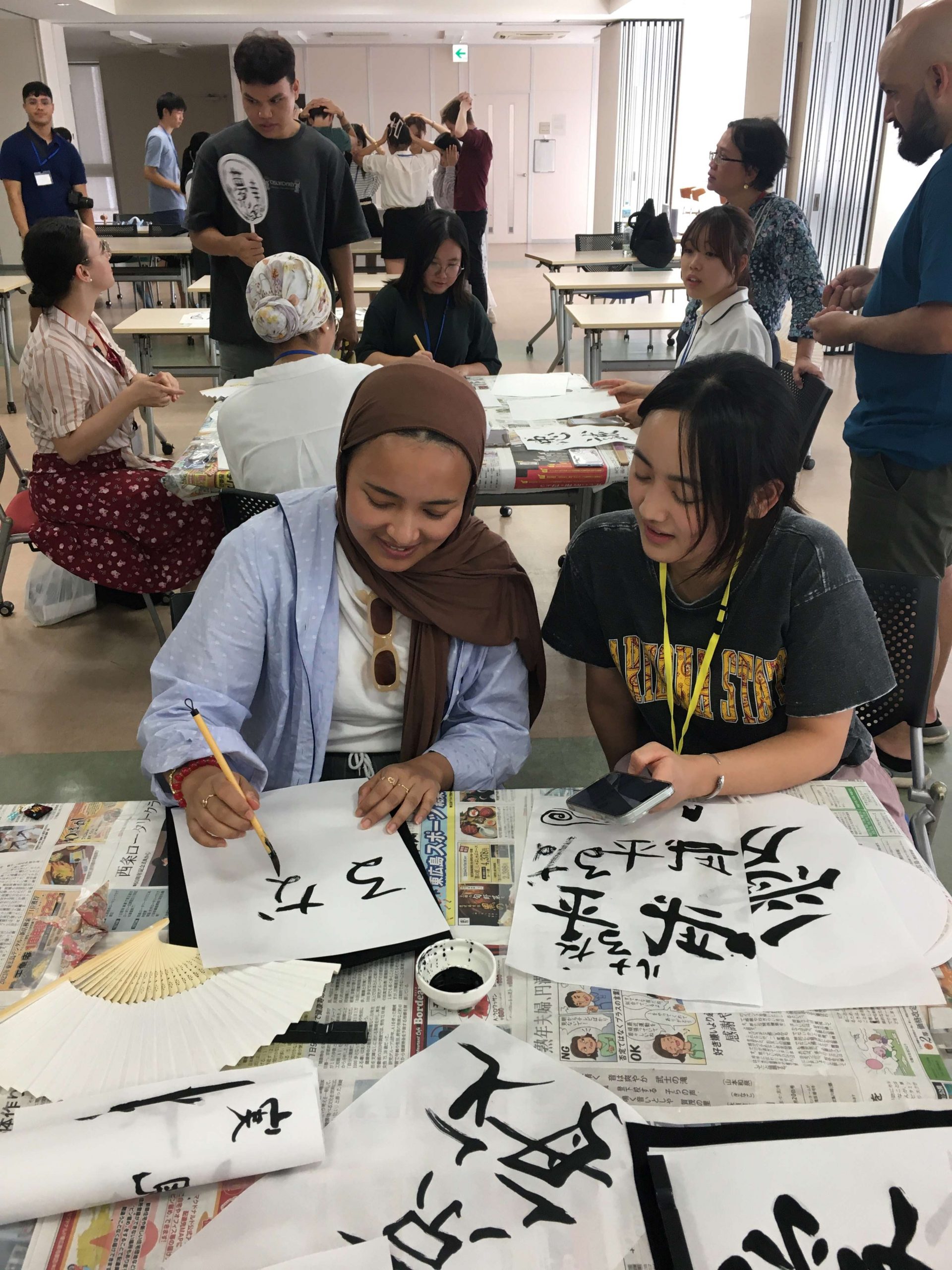
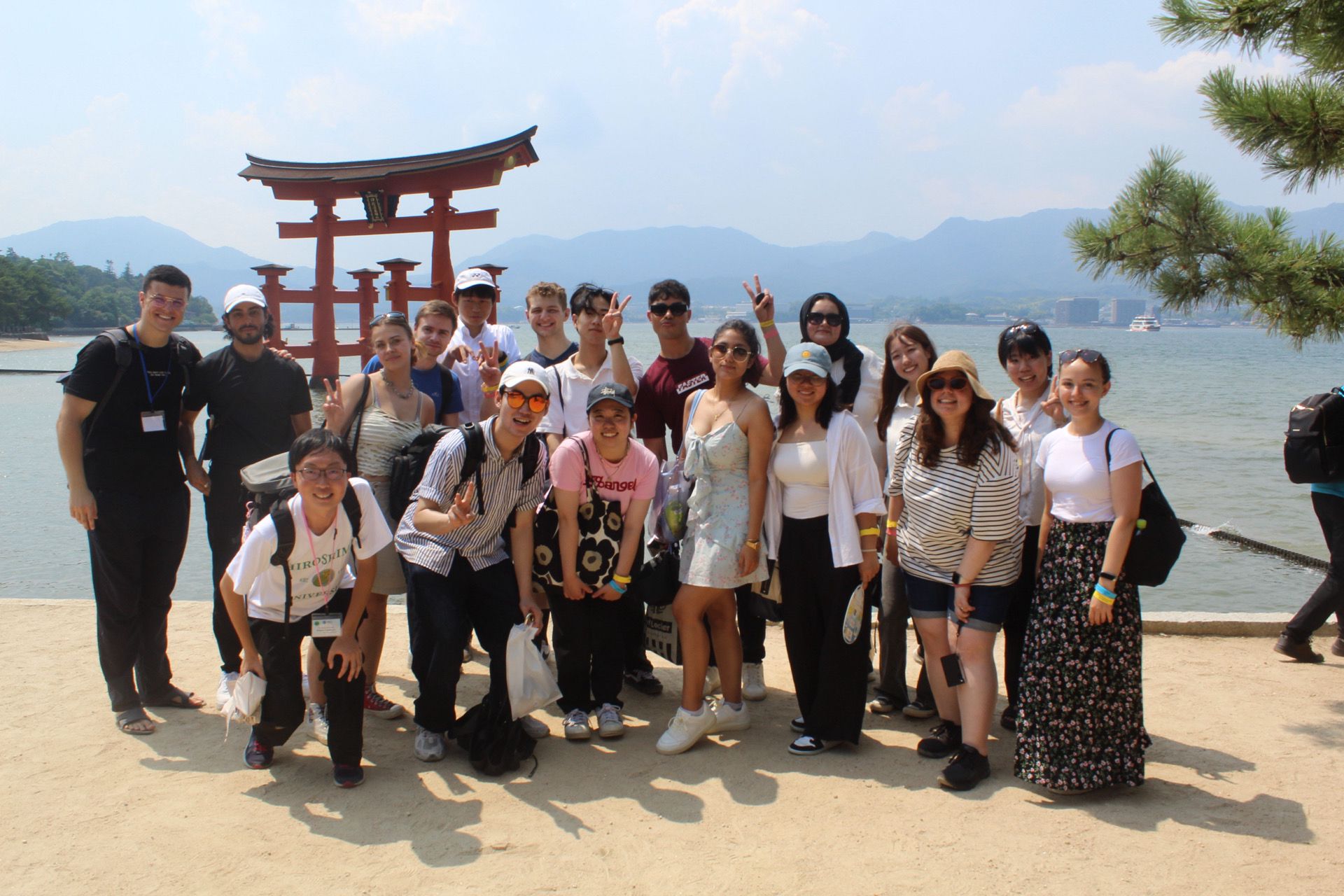
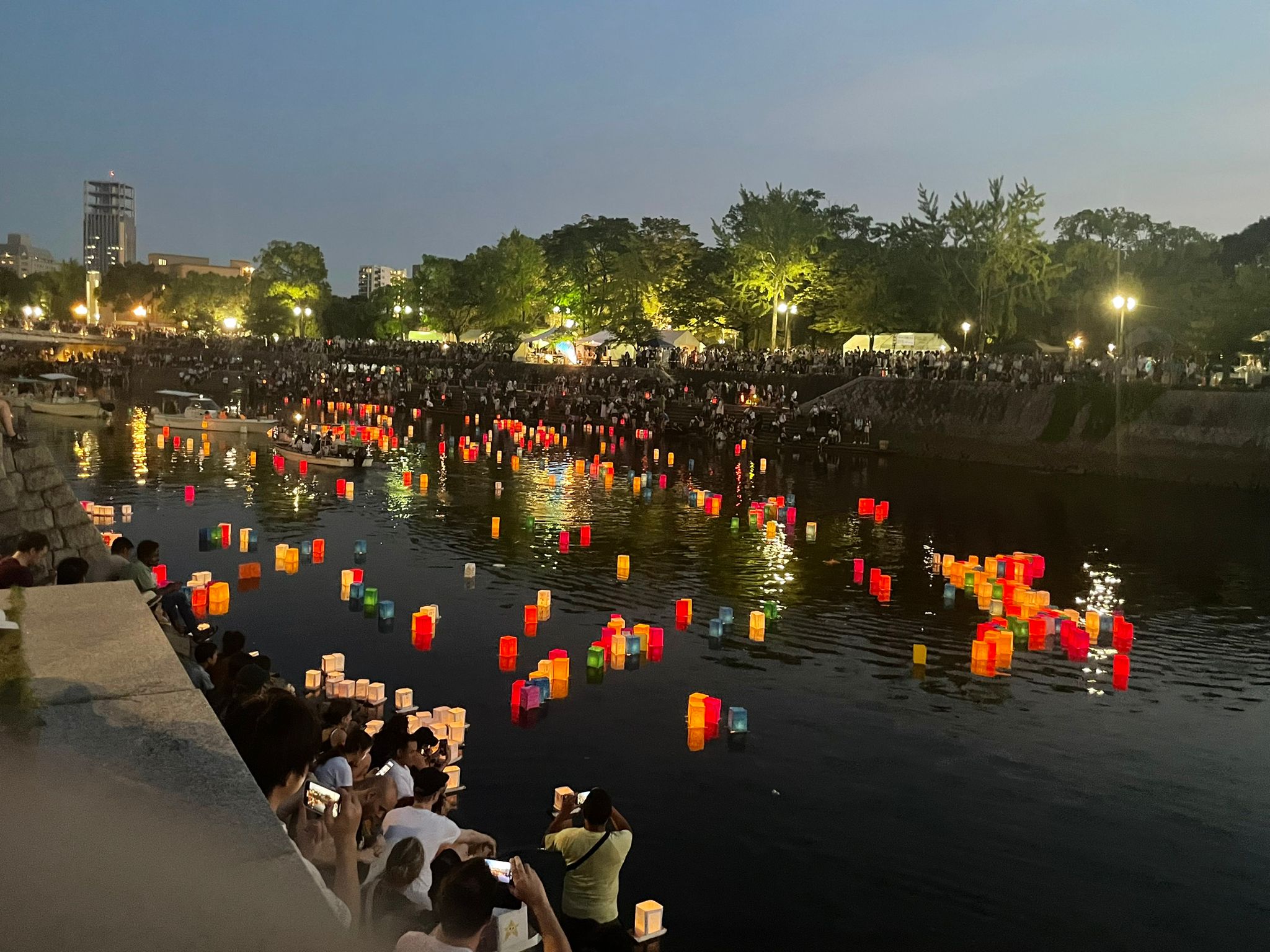
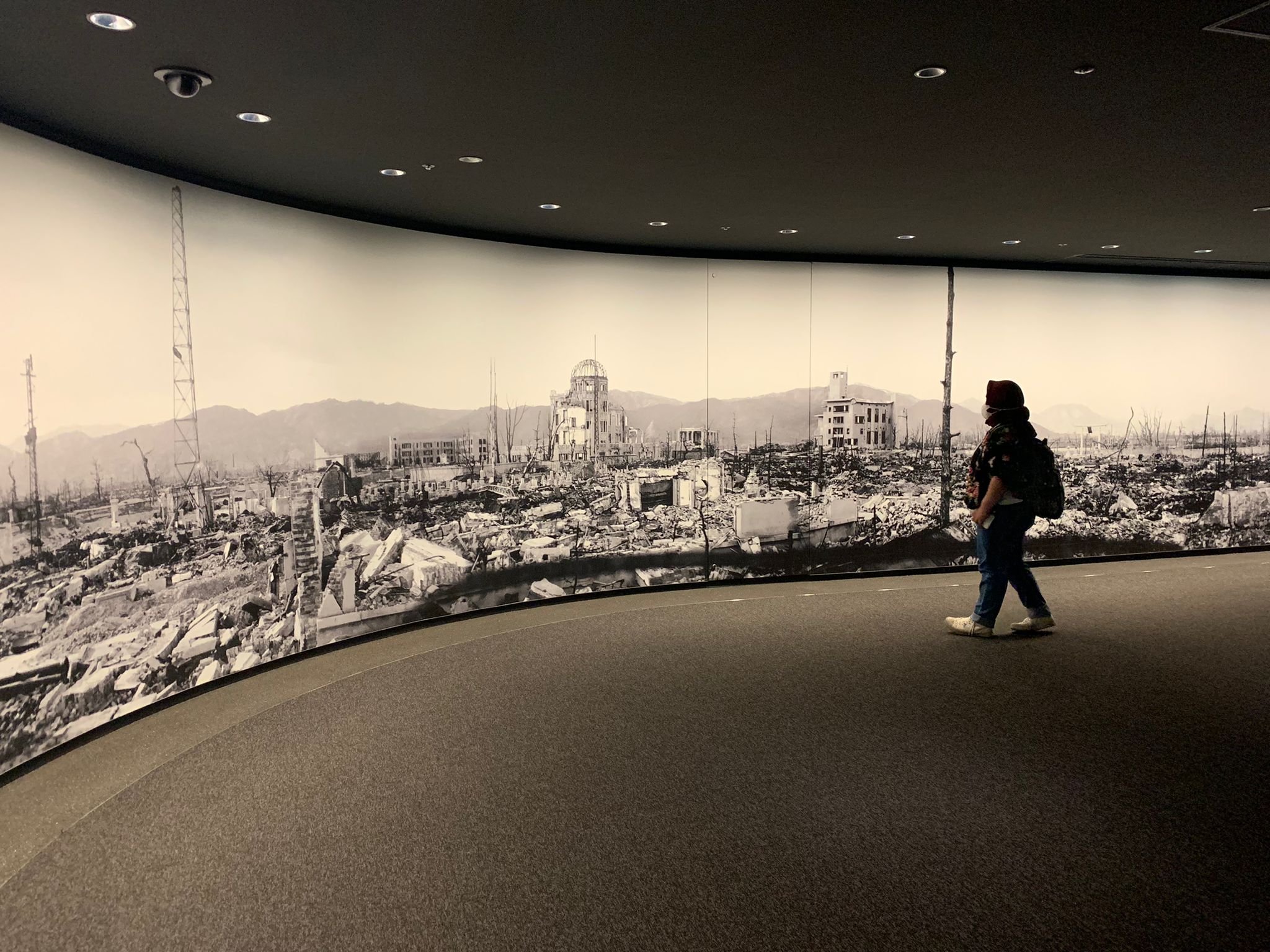
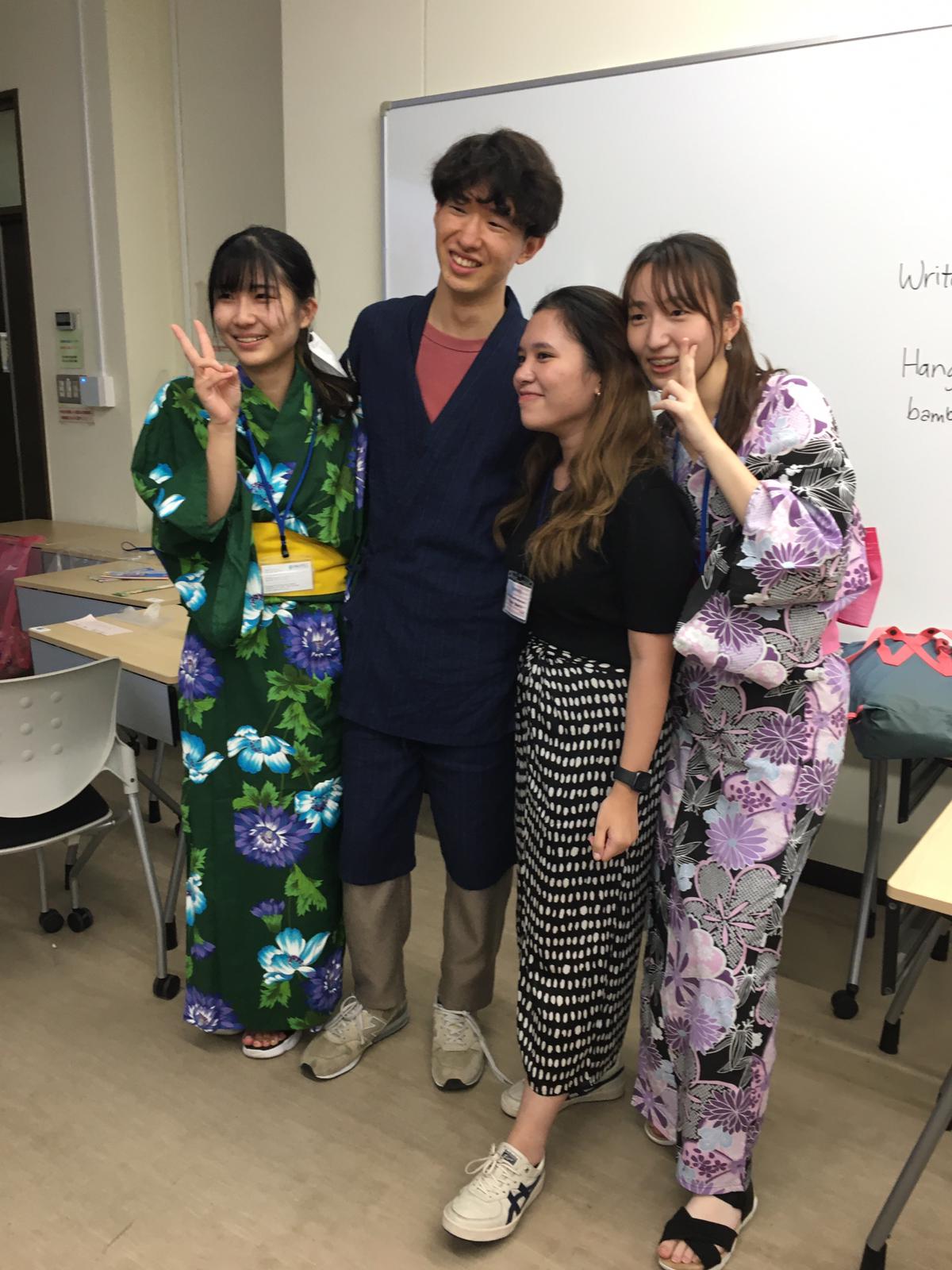
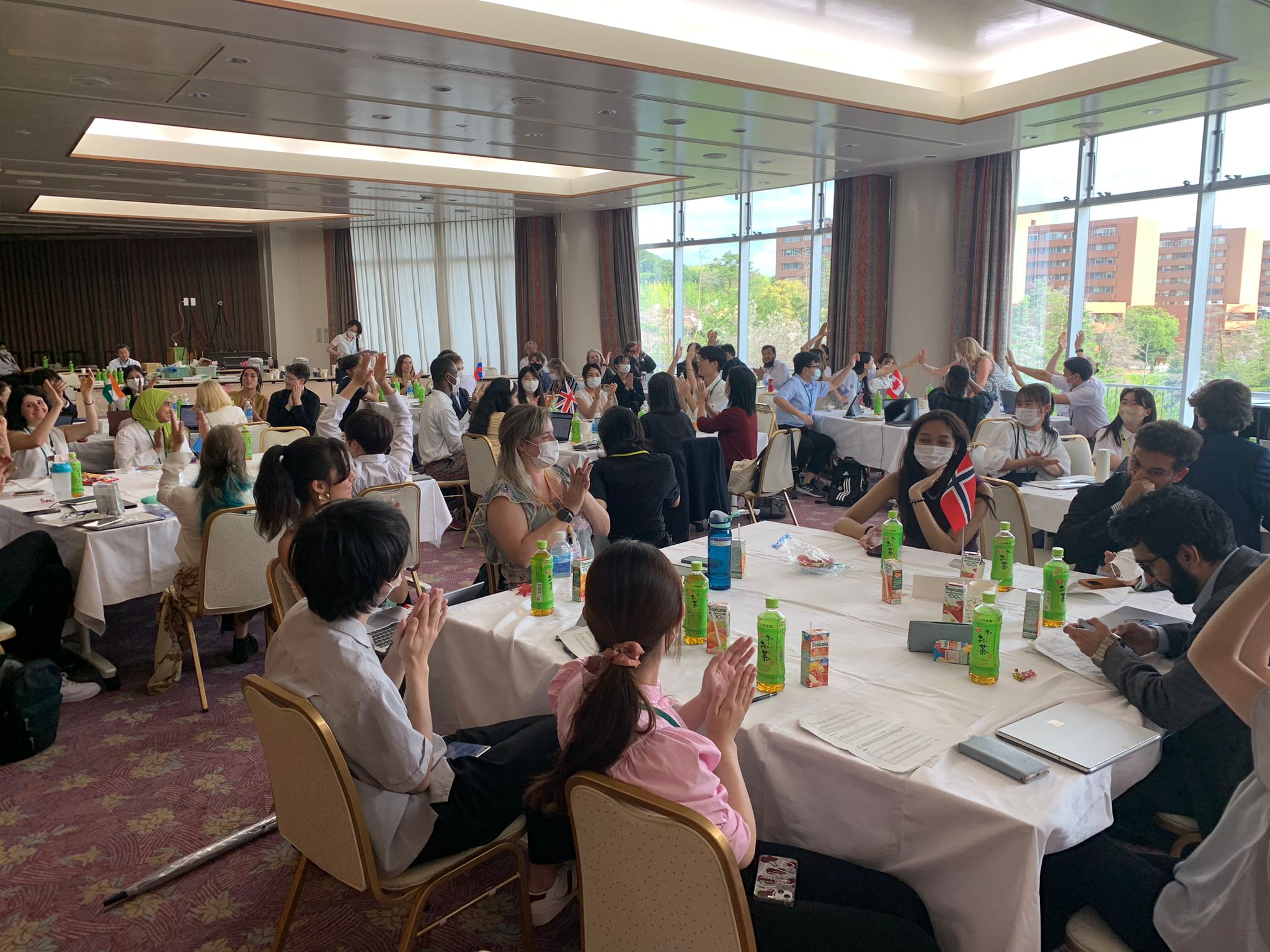
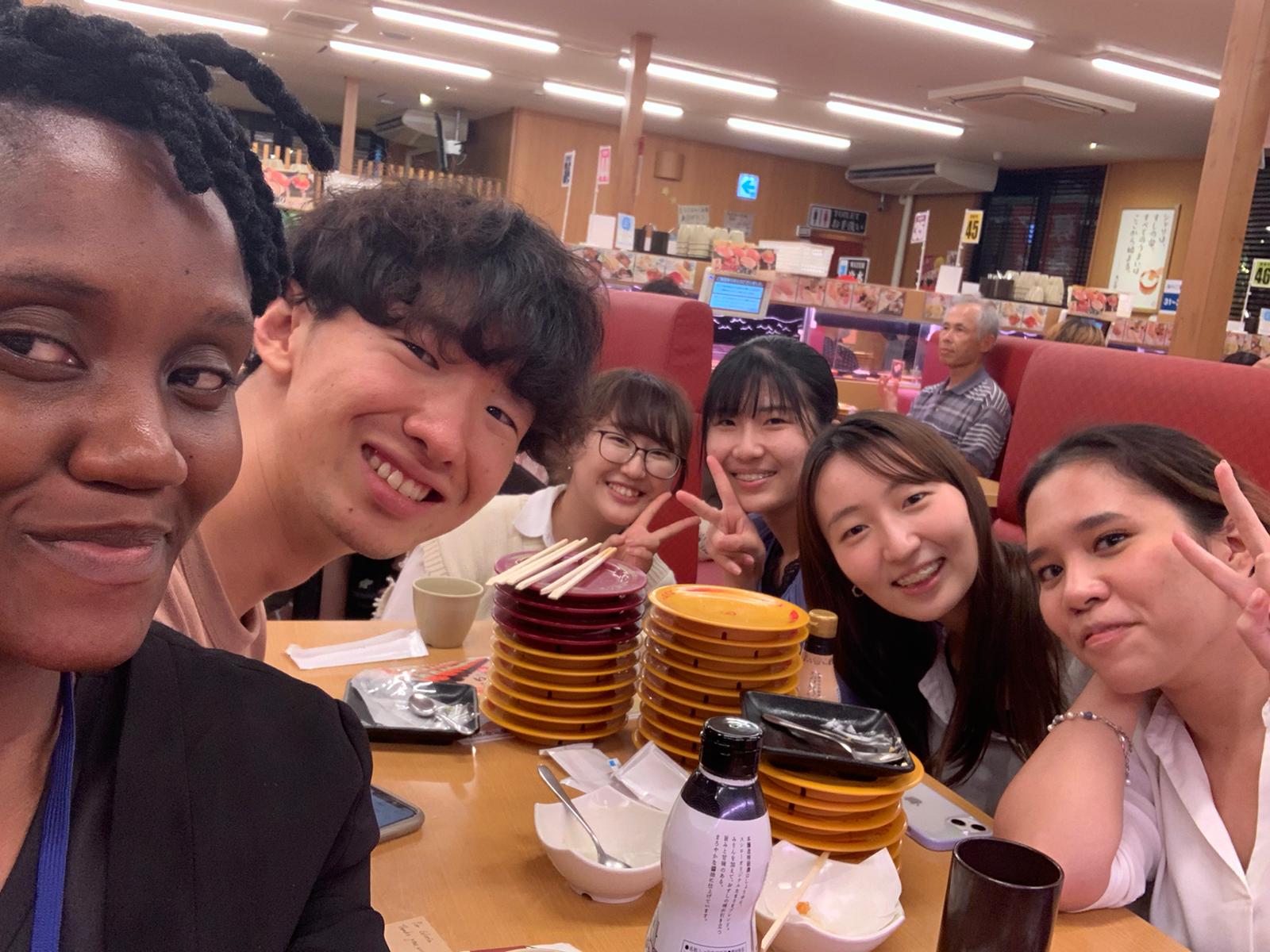
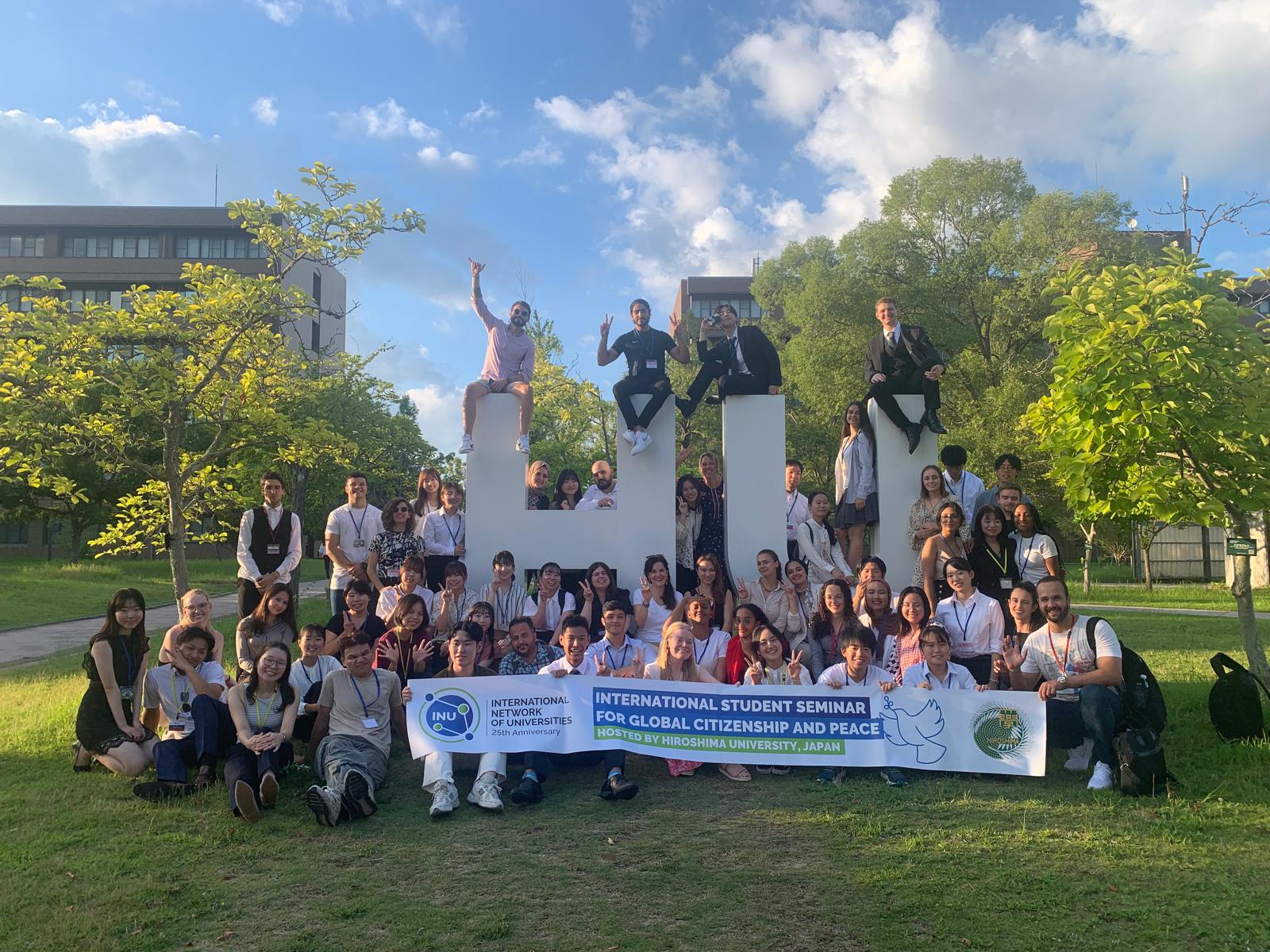
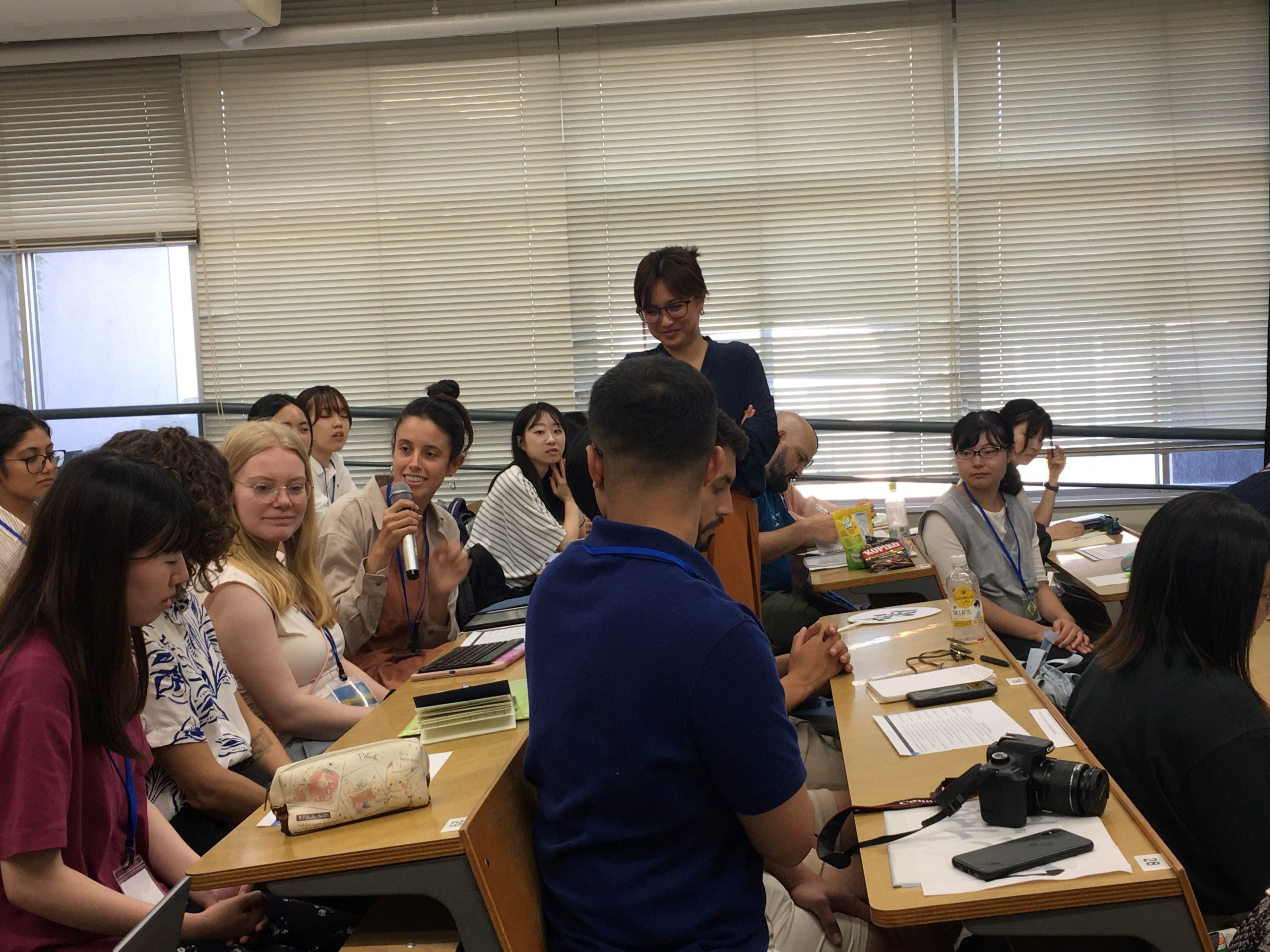
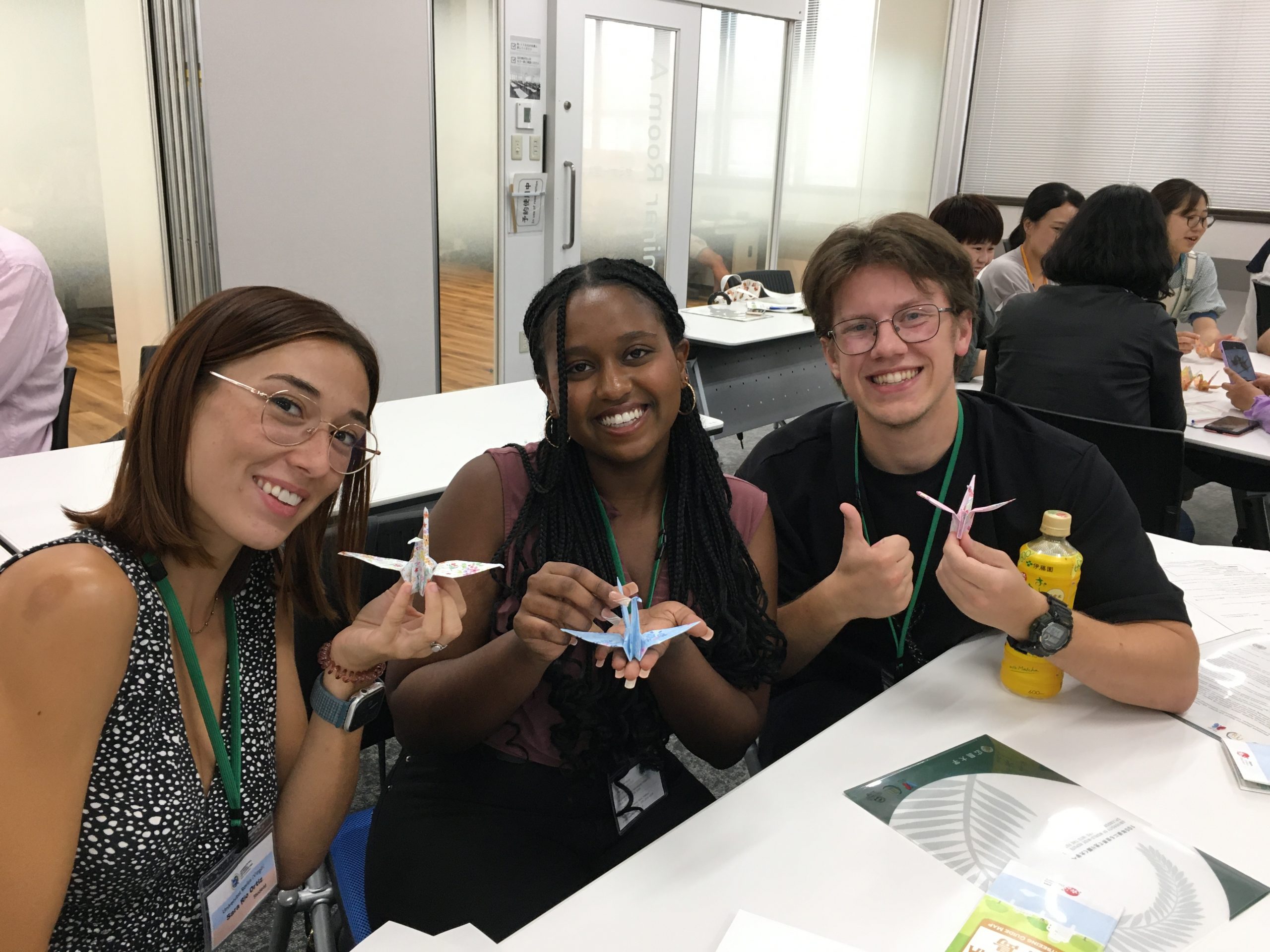
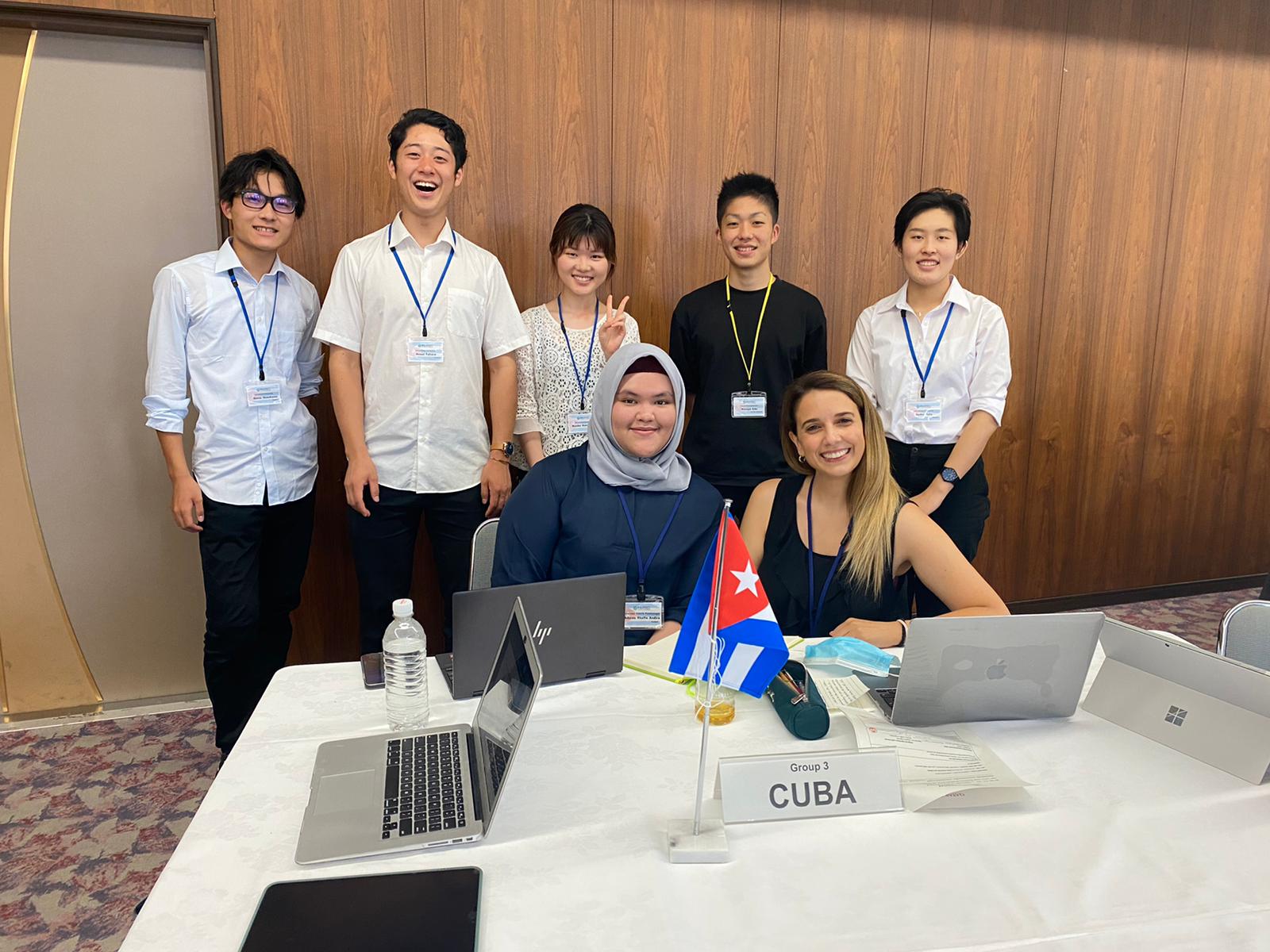
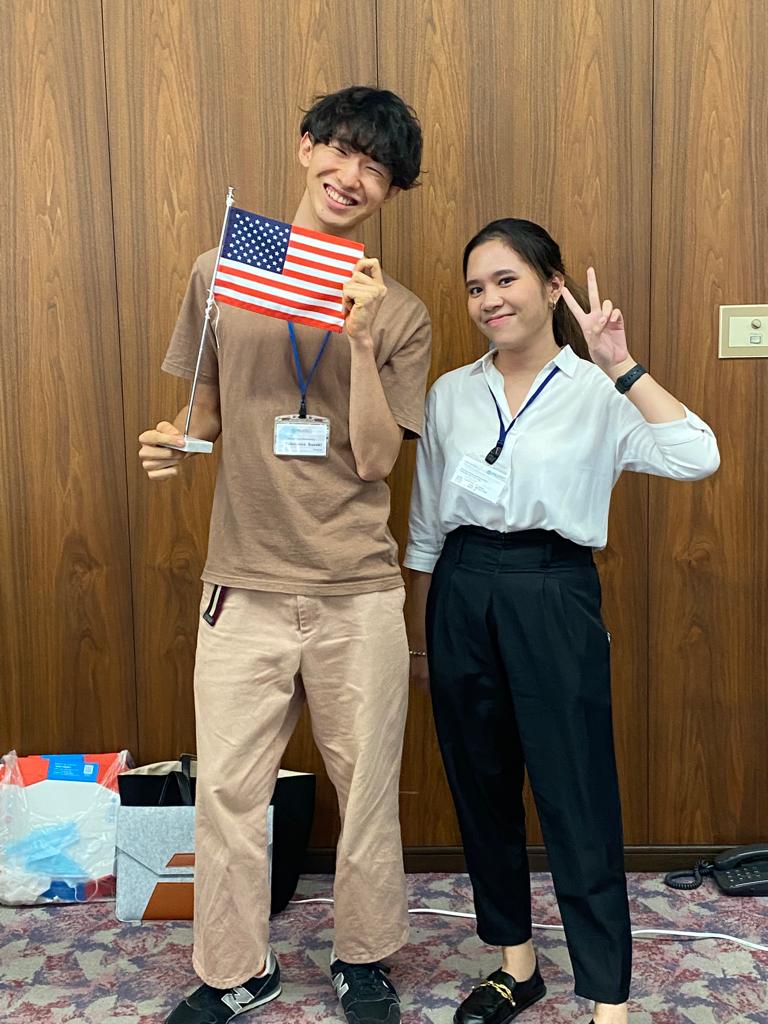
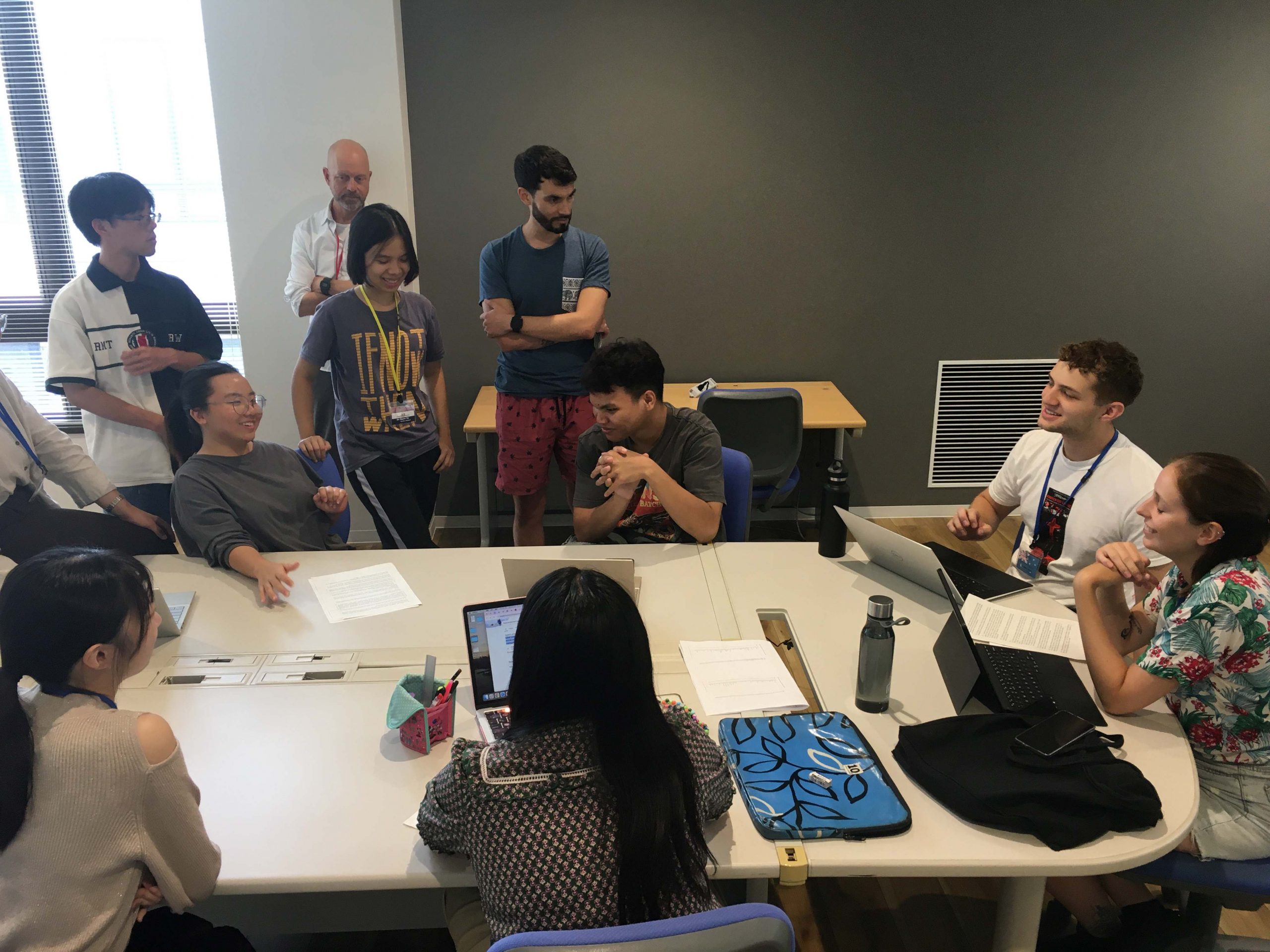
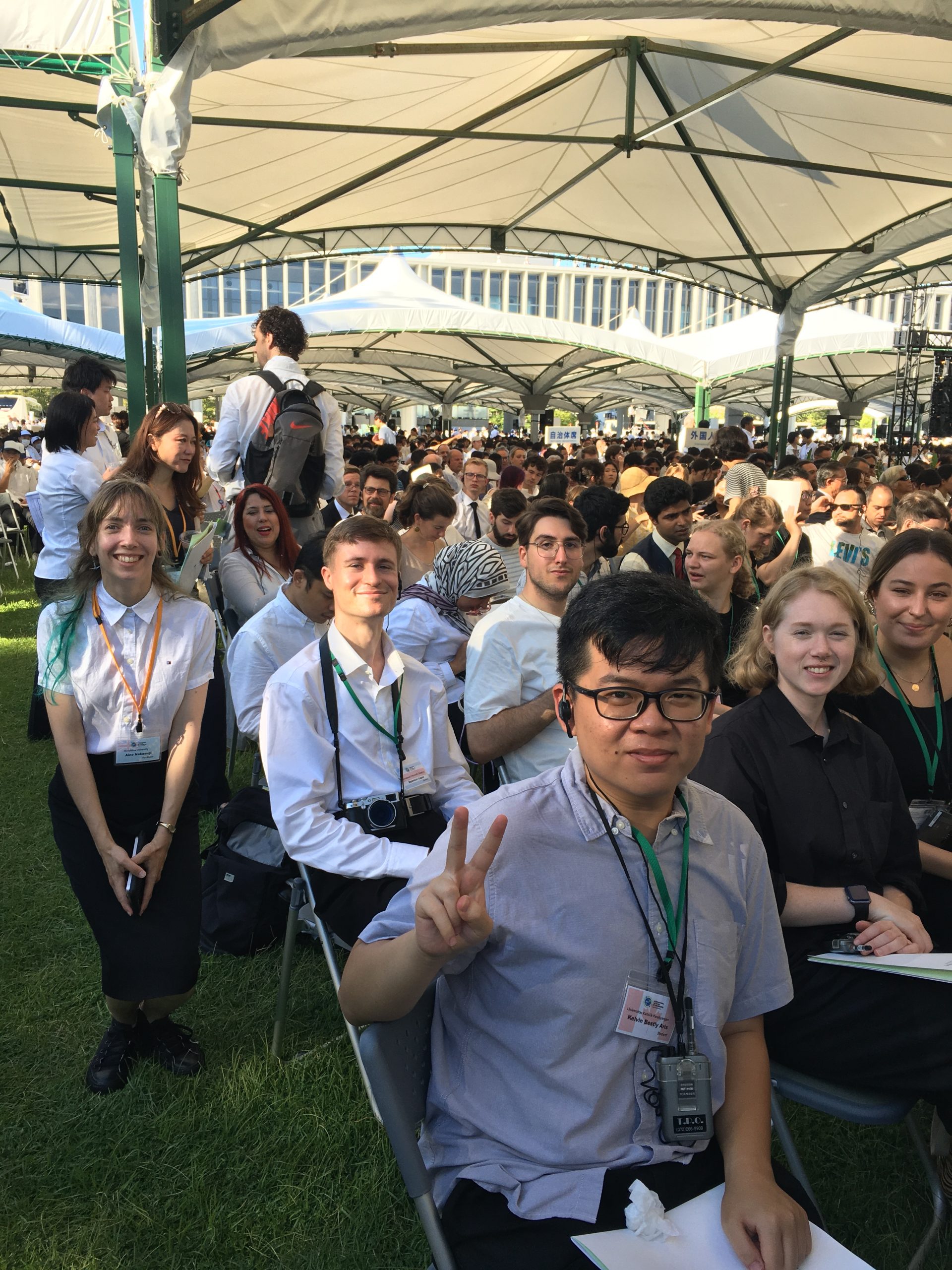
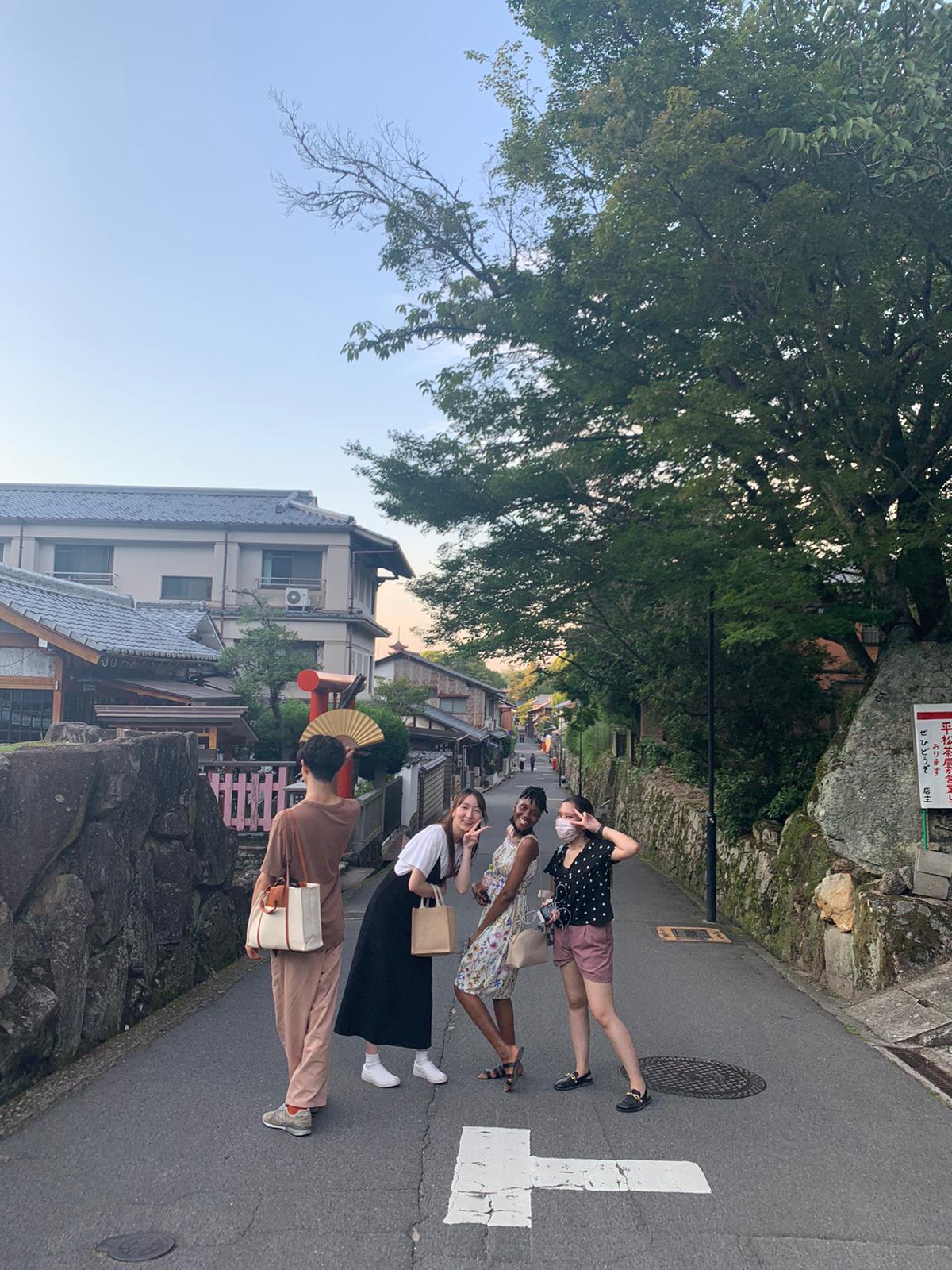
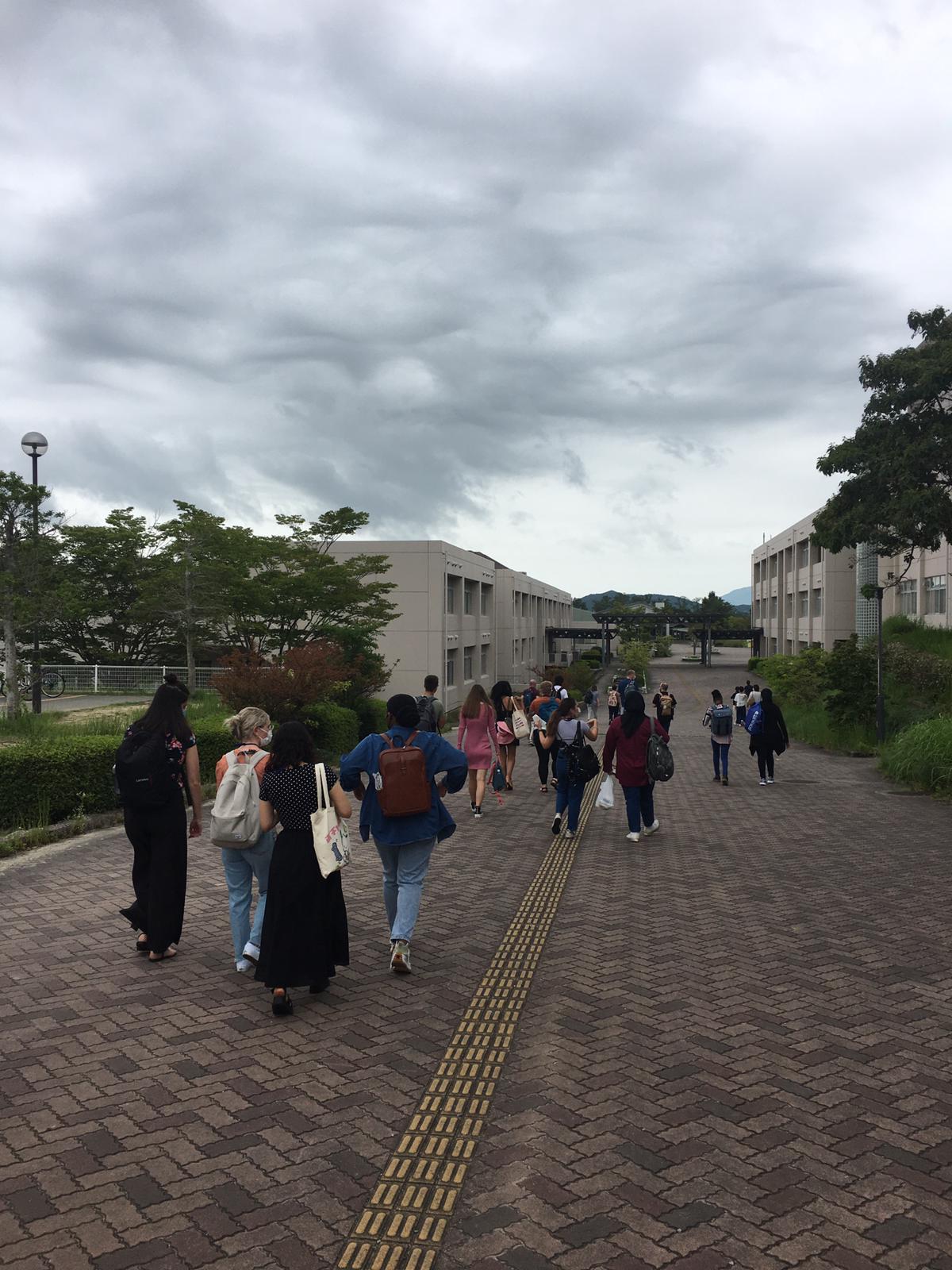
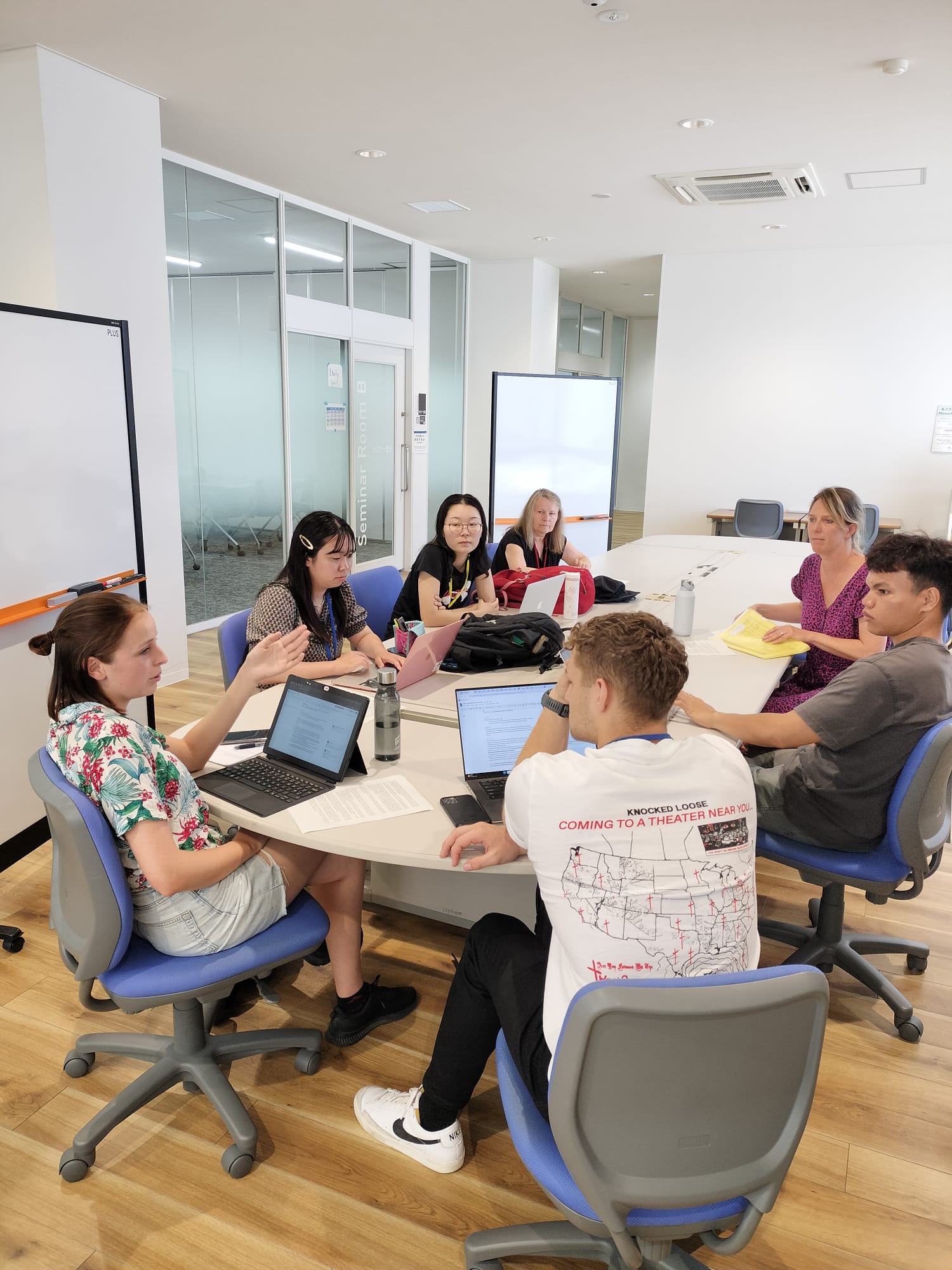
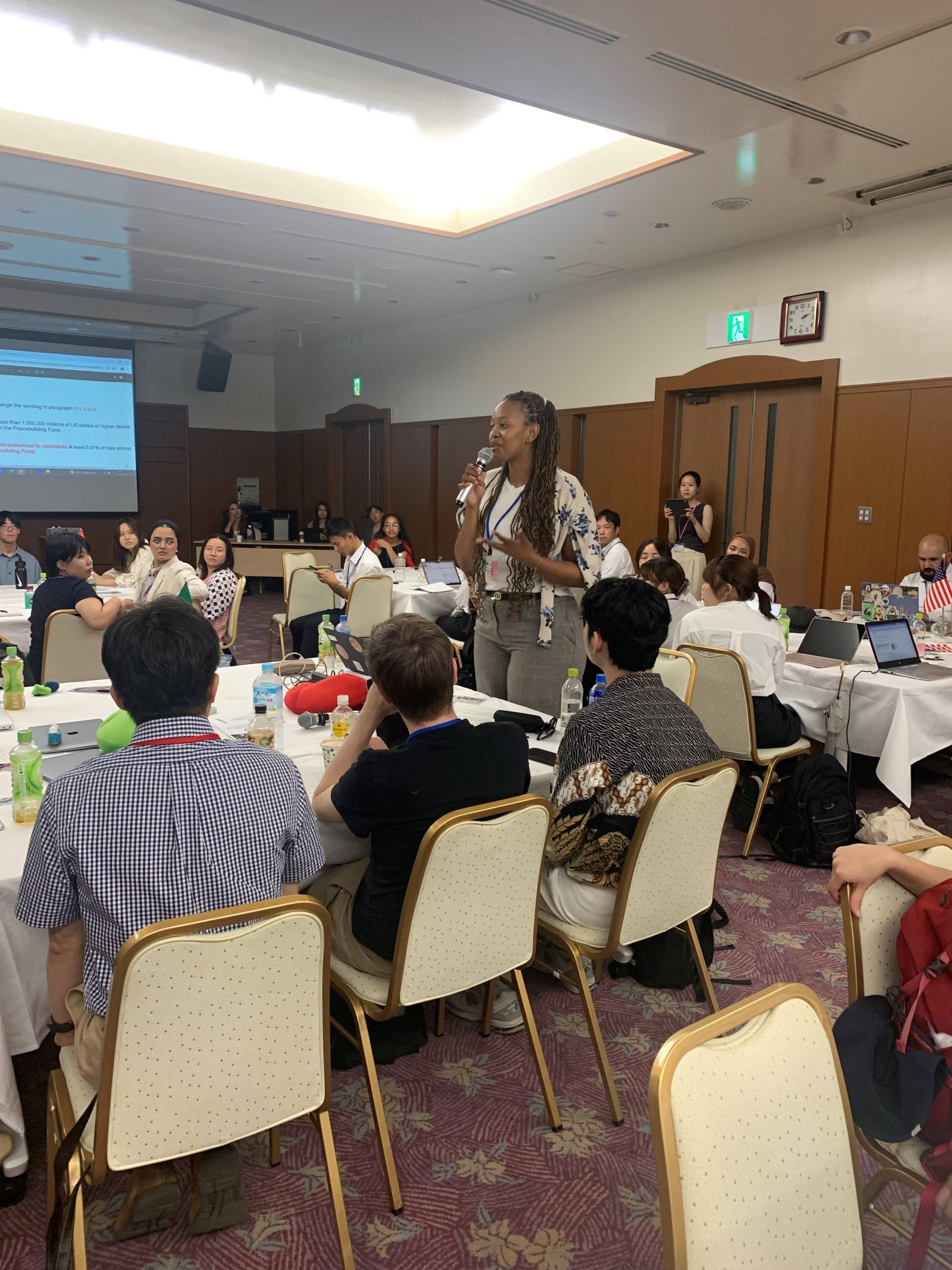
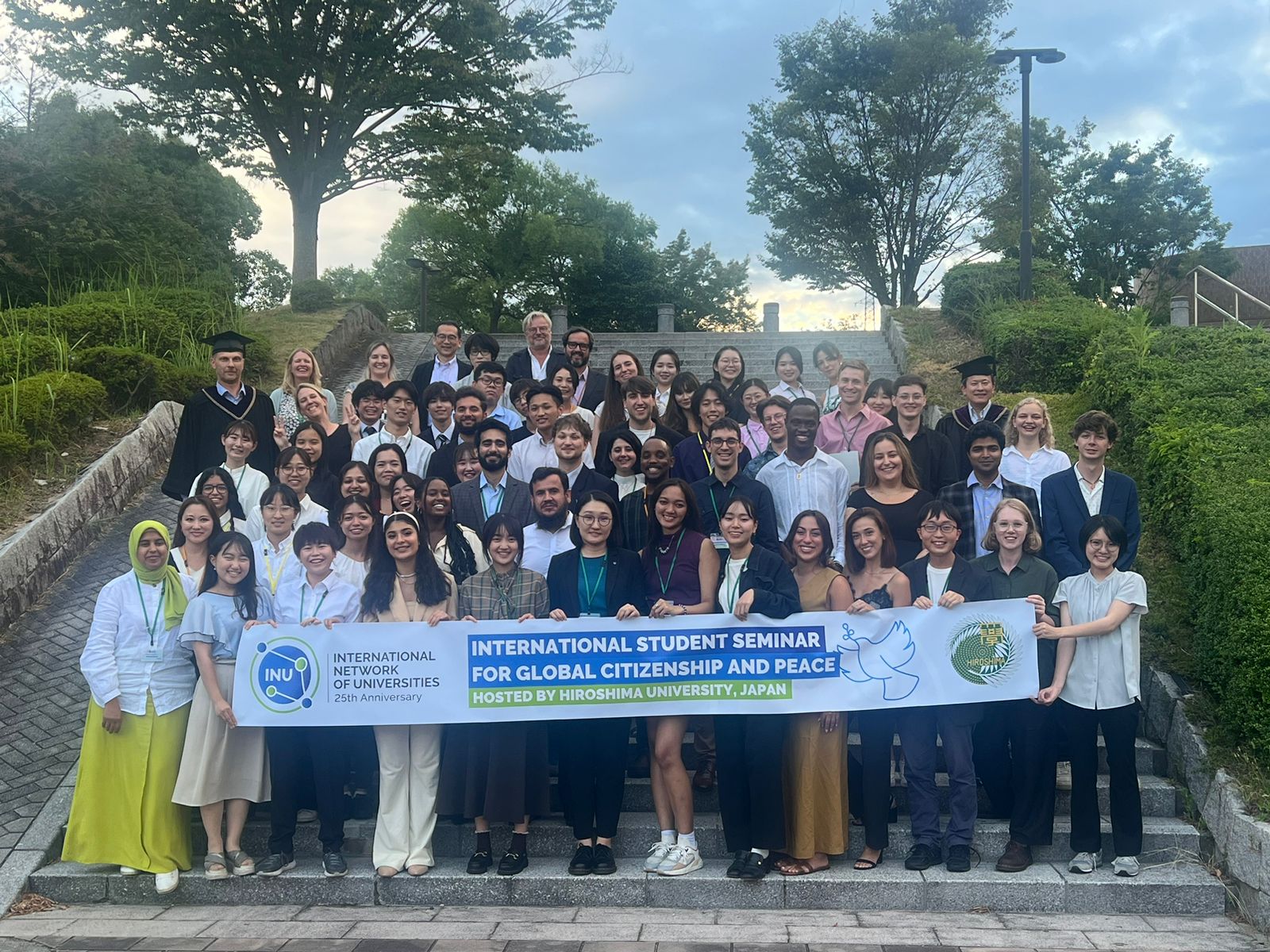
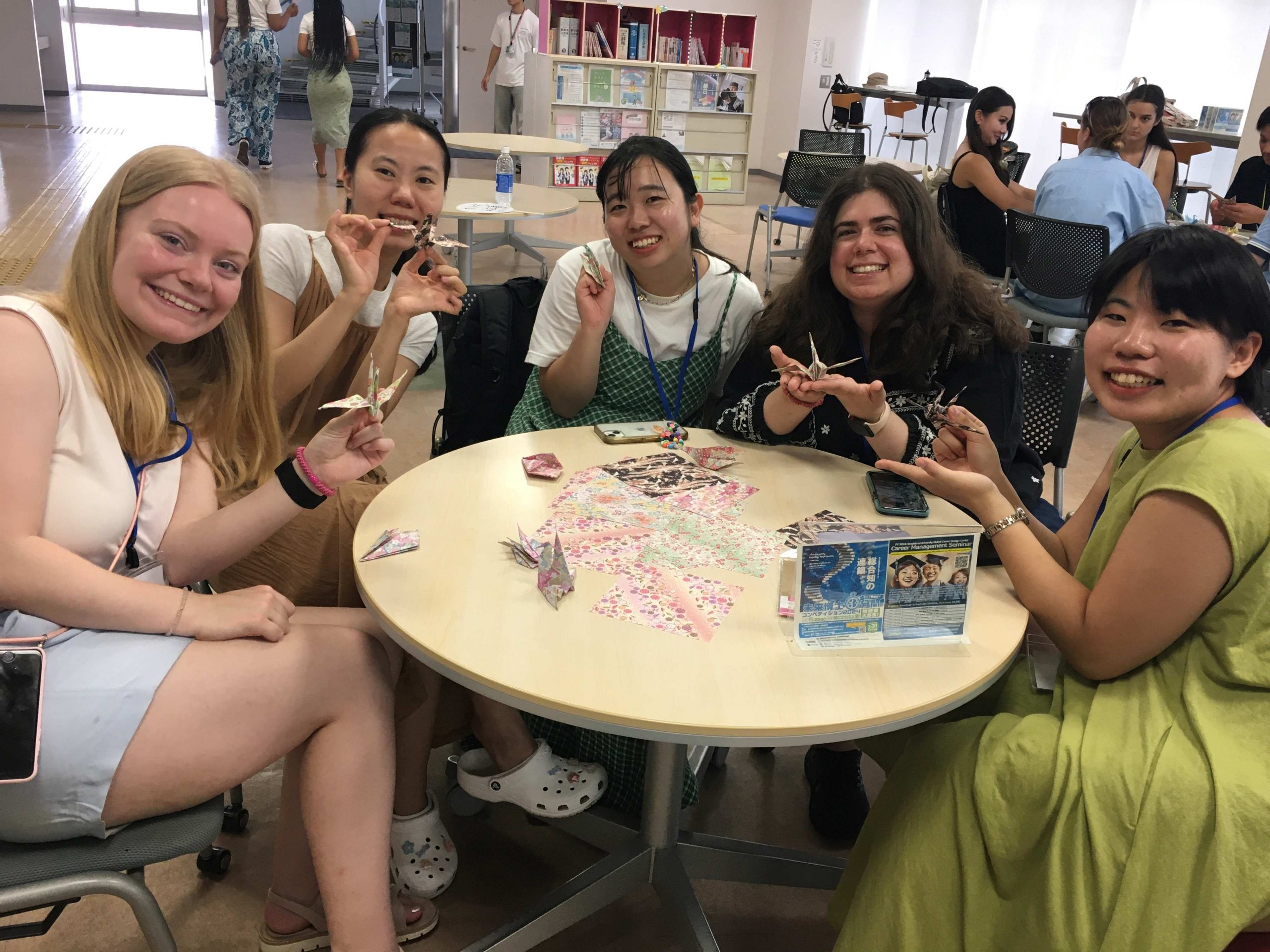
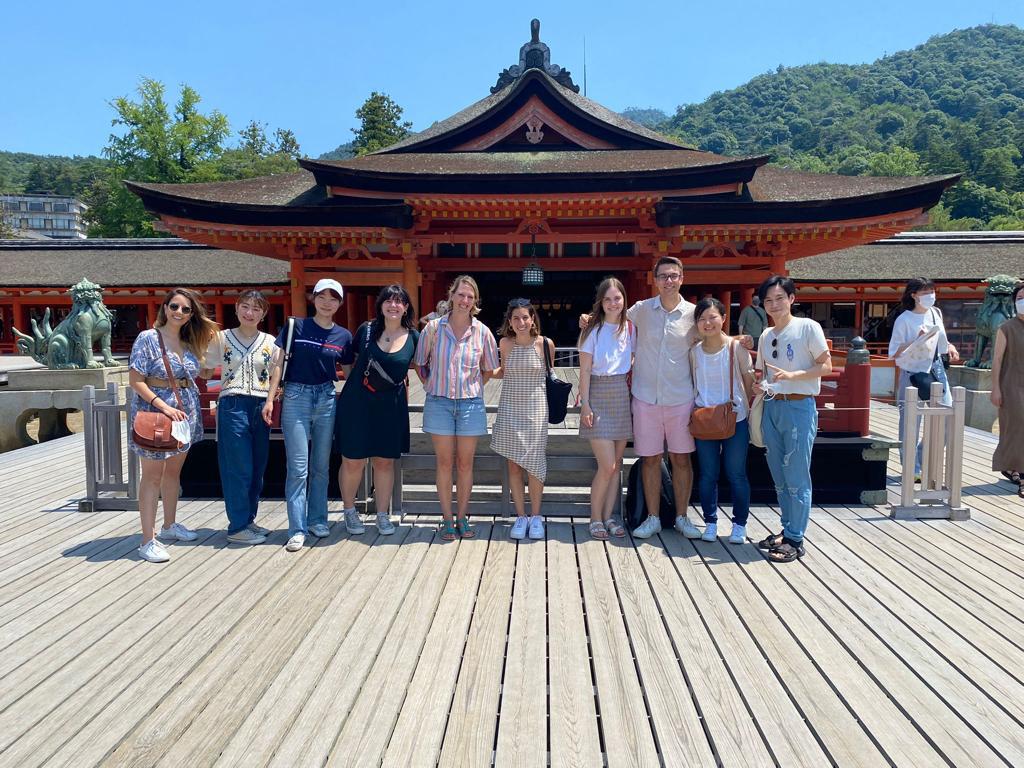
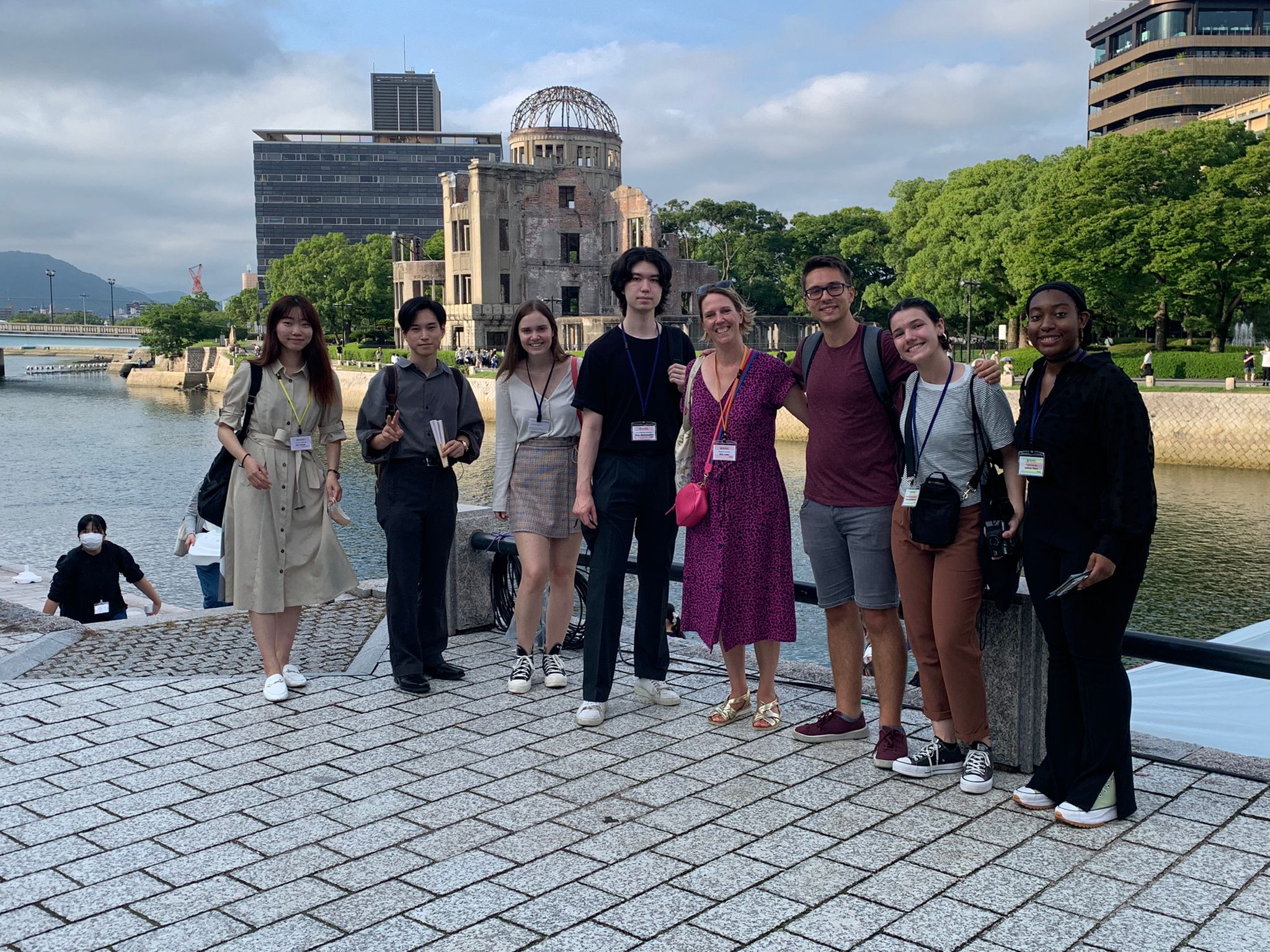
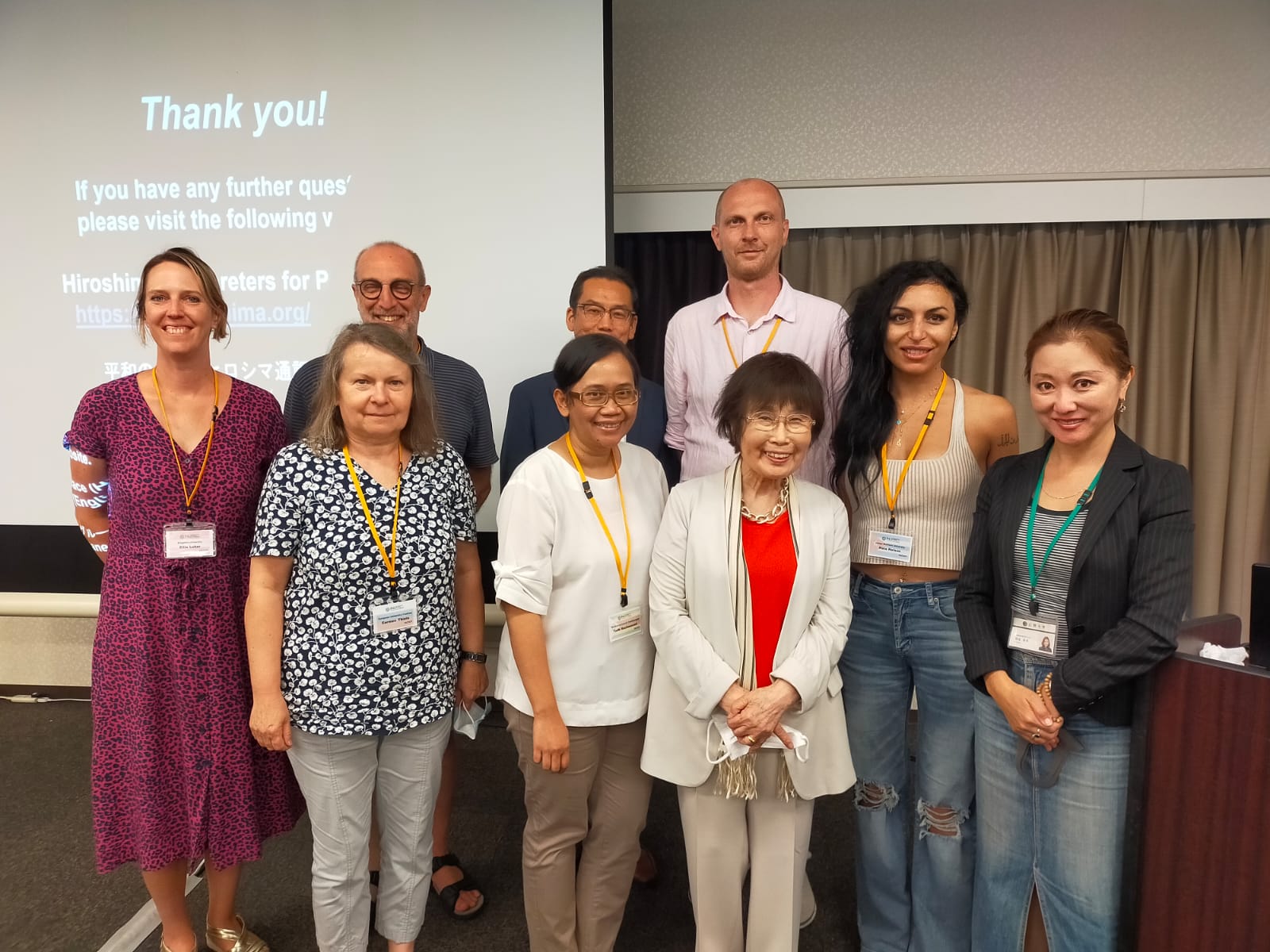
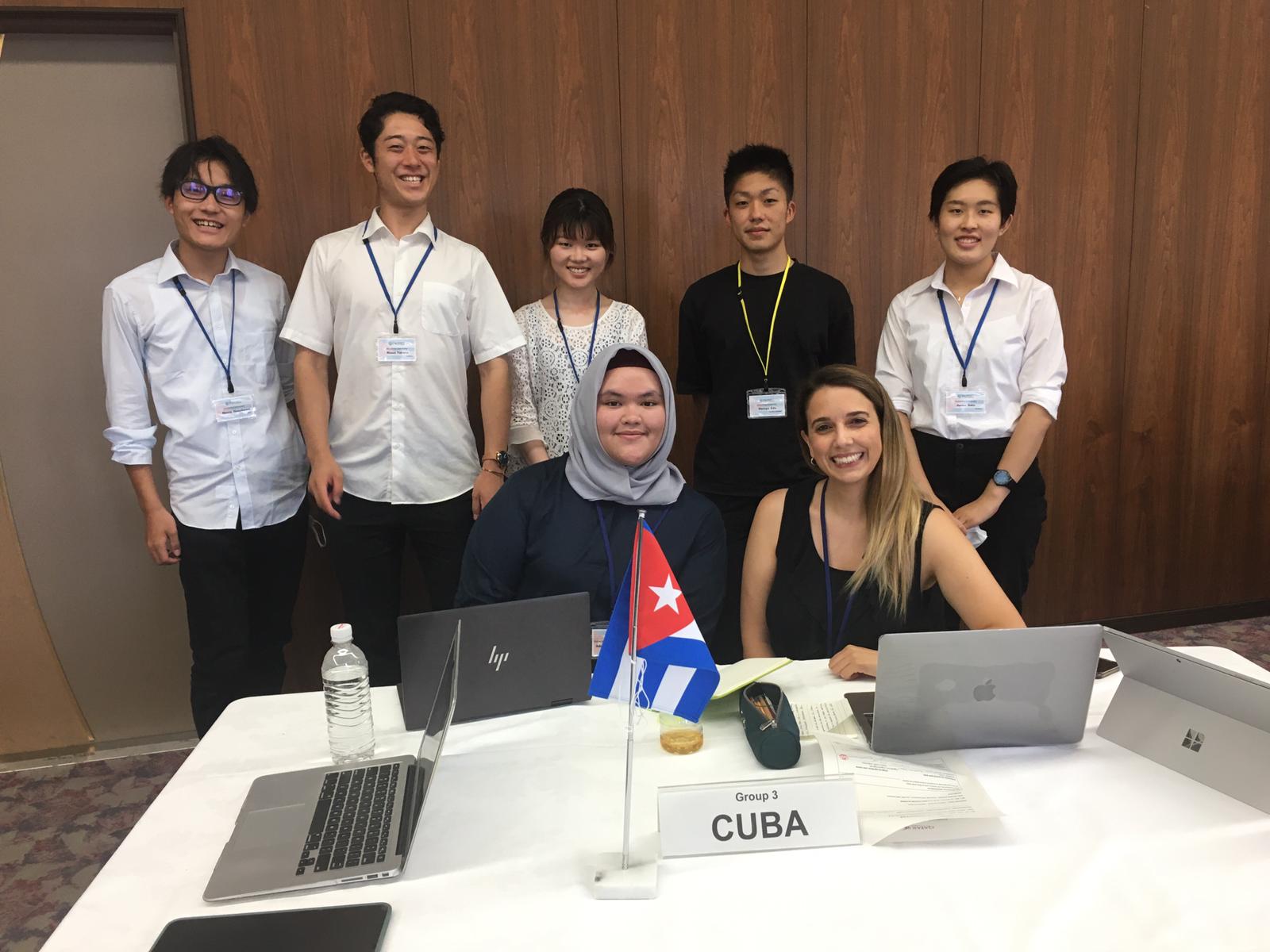
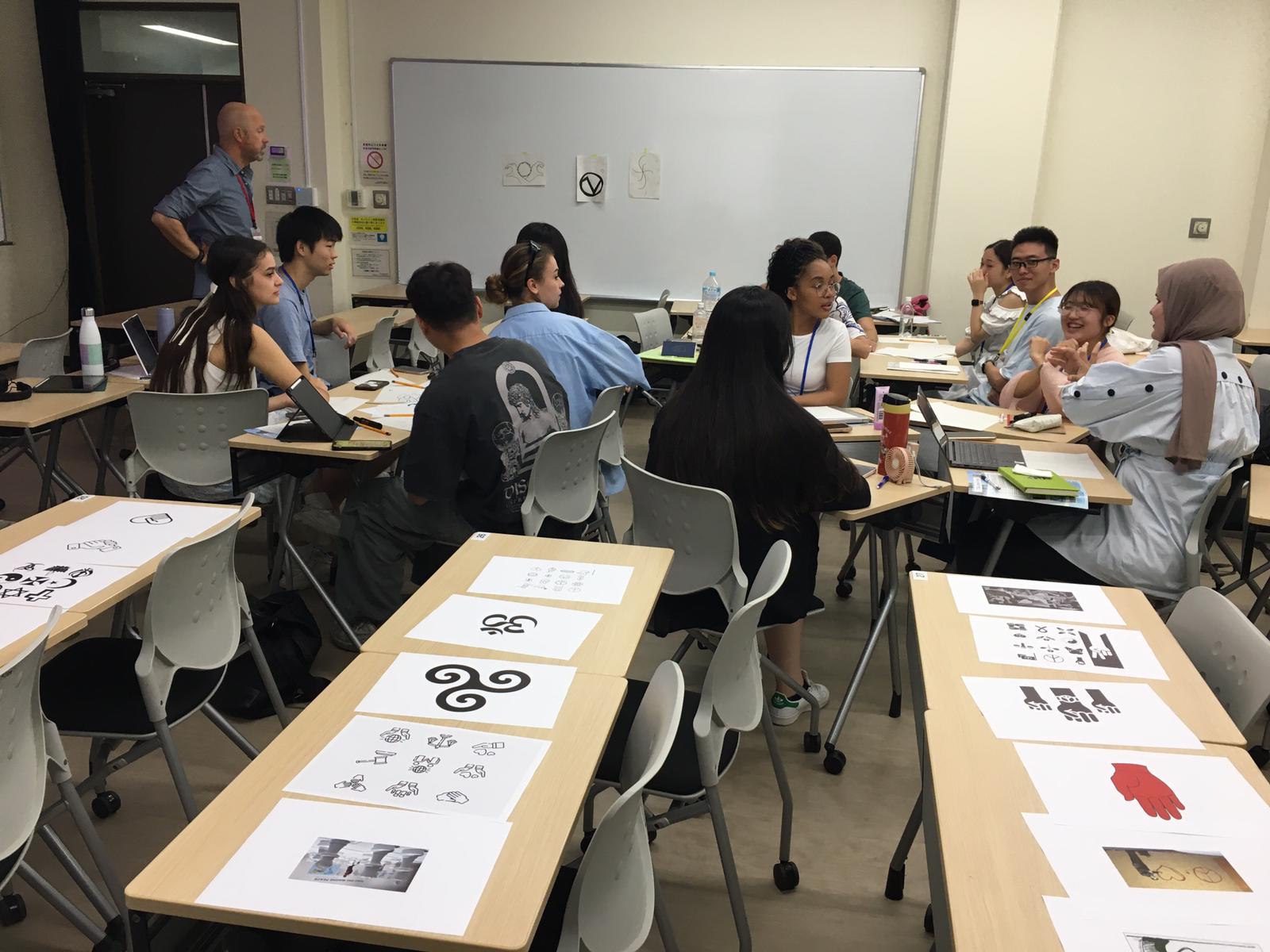
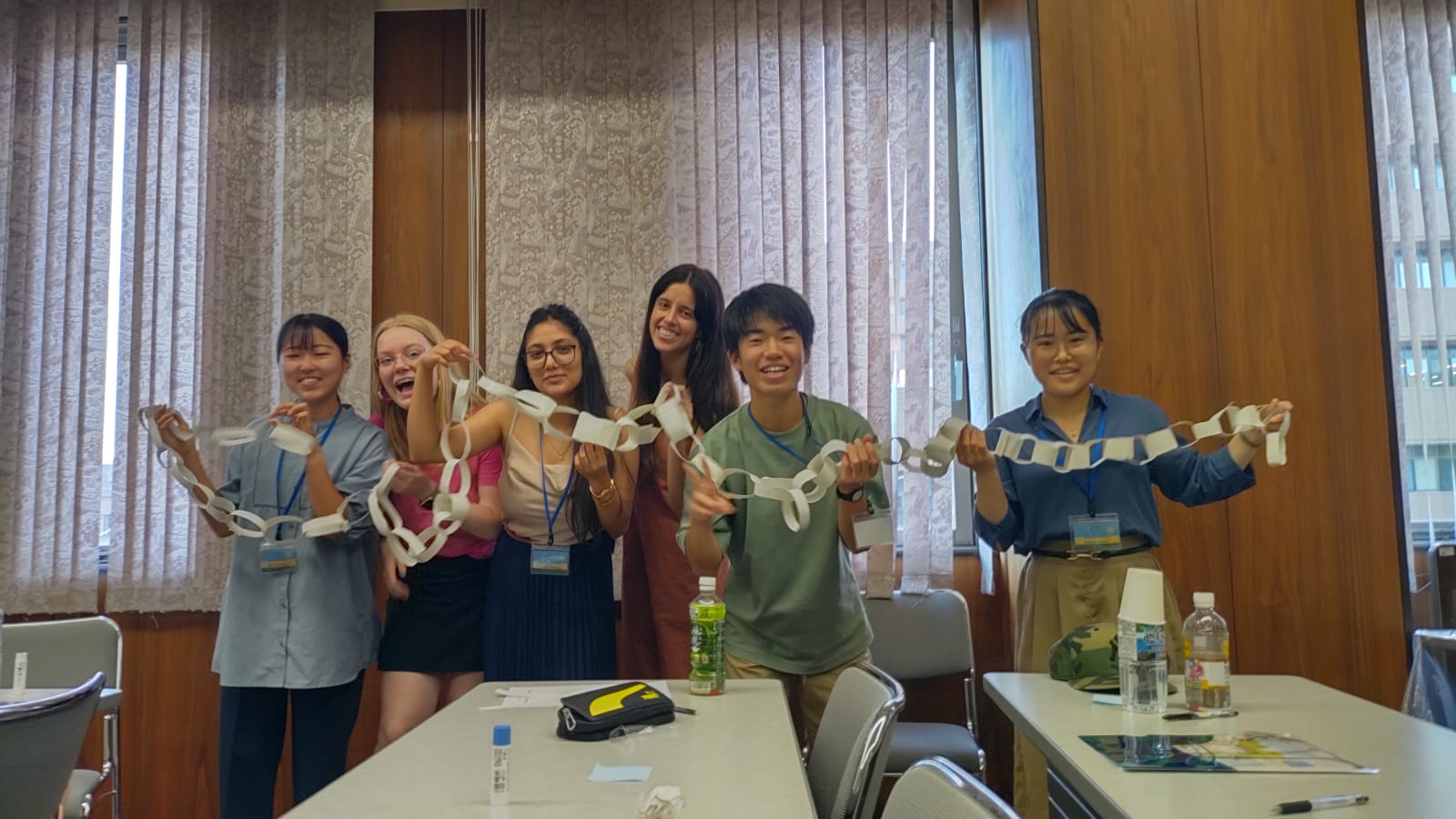
The INU Student Seminar features:
- Lectures and workshops with academic experts and guest speakers from around the world;
- Interactive seminars that encourage stimulating discussion and learning;
- A role-play of a special session of the United Nations General Assembly;
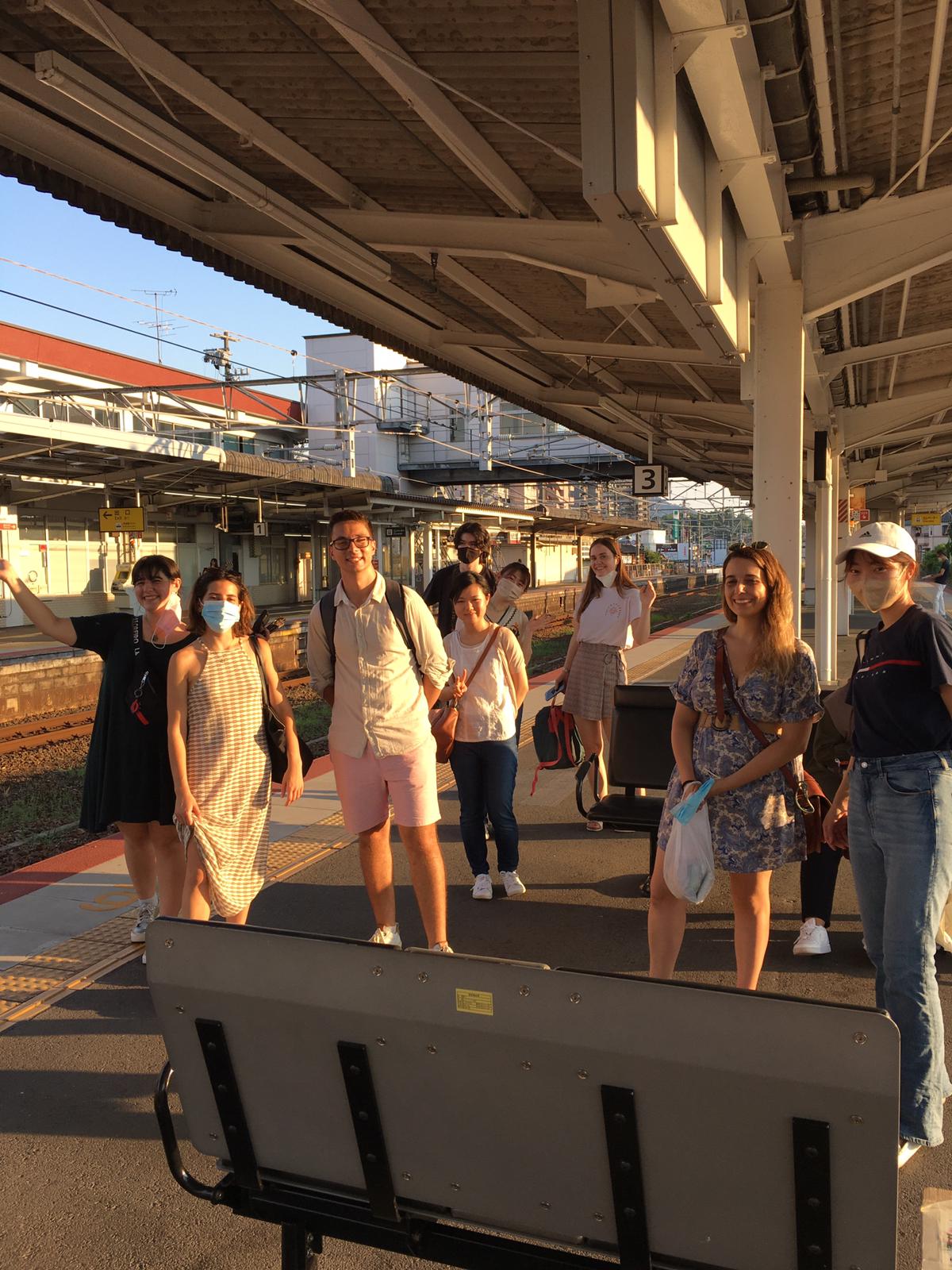
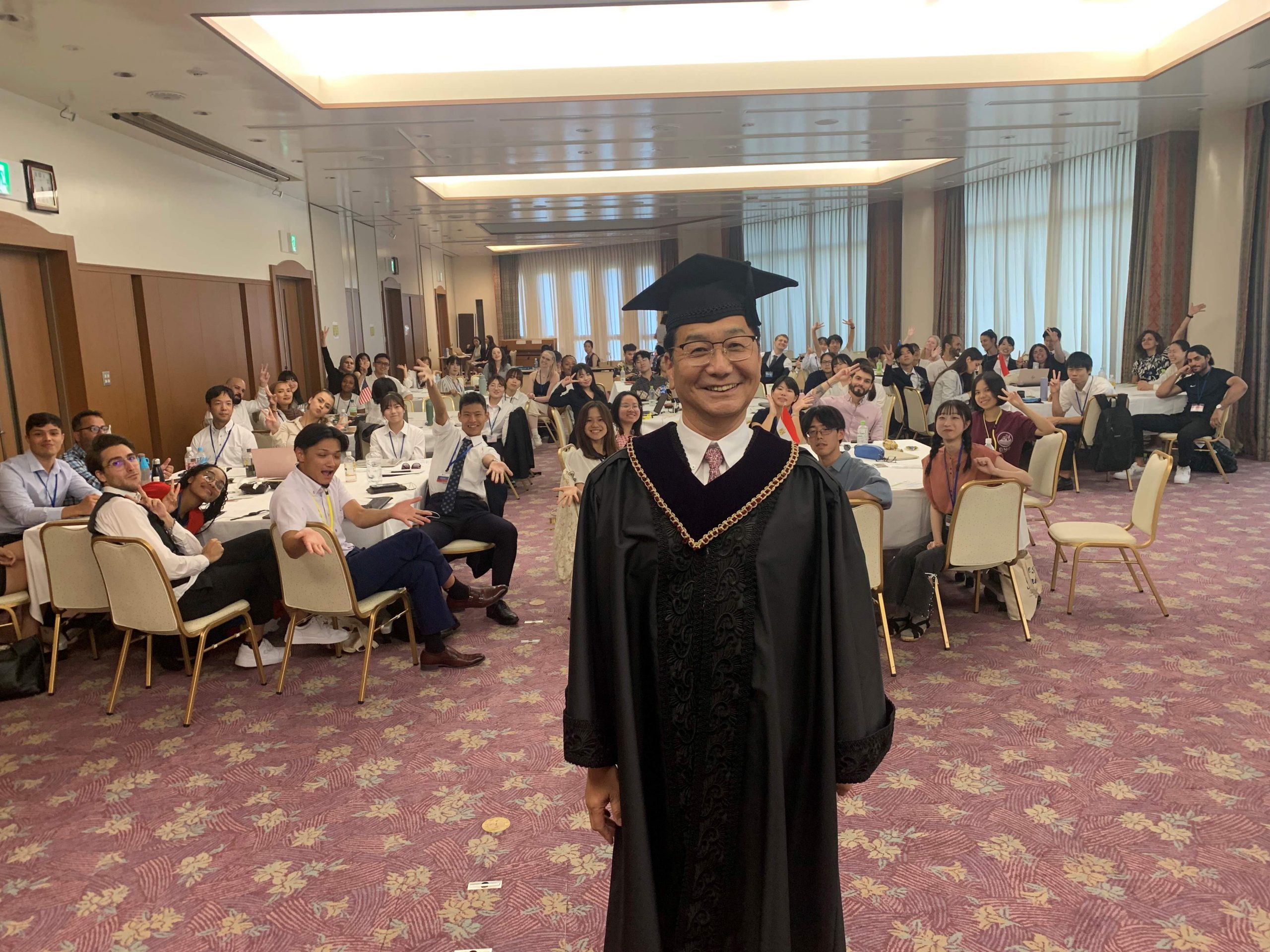
- A truly international student body
Highlights
“This was my first UN Role Play experience, and it gave me a greater understanding of gobal issues, especially when focusing on food and water insecurity”
“An incredible experience to have been able to share, learn and exchange with fellow students and teachers from all over the world and with different background”